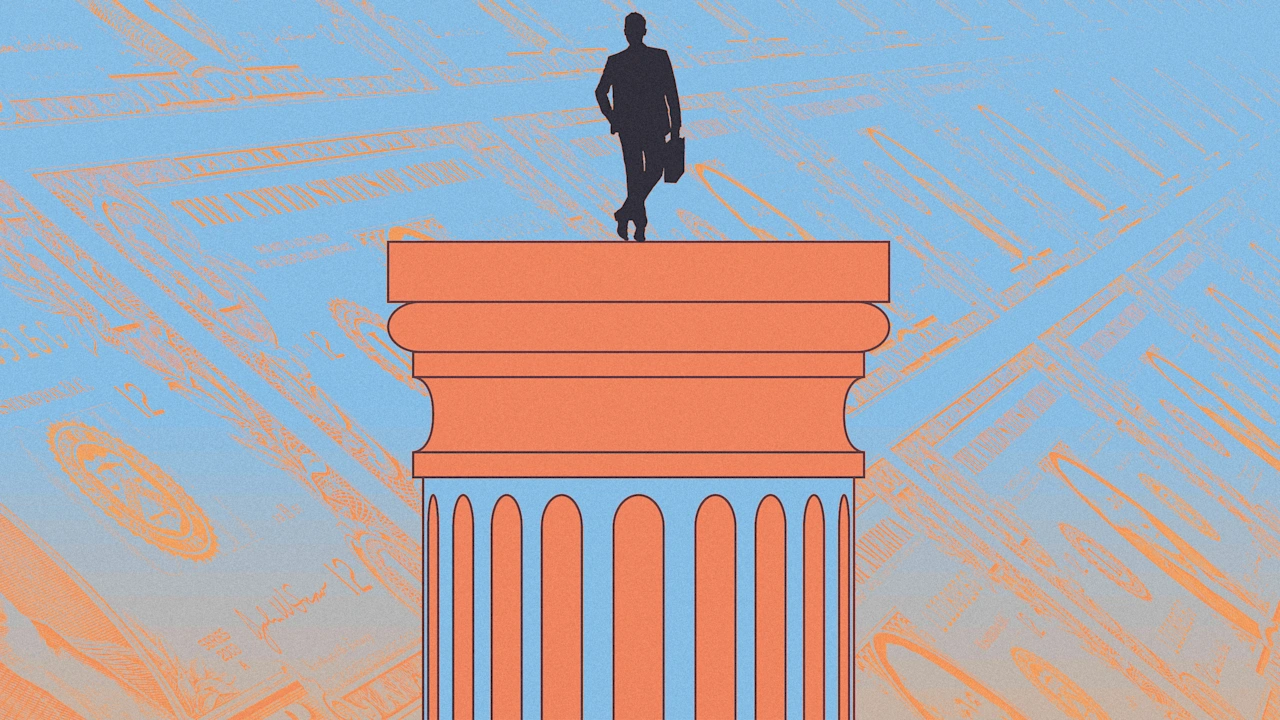
The hidden bias that keeps smart people quiet
When I was a product marketing leader for a corporate regional bank, I found myself getting annoyed during an all-day strategy meeting. My frustration came from hearing the same voices, sharing the same old ideas. I wondered why other people, especially the women in the room, weren’t speaking up. I remember thinking, “Well, you could be the one to speak up.” I felt nerves jump in my throat and doubt sink heavily in my stomach. Who was I to speak up? I thought that others in the room were smarter than me since they had higher titles and more experience. Looking back now, I realize that I had a big problem, a Pedestal Problem . I silenced my ideas because I was intimidated by the HiPPO in the room, the highest-paid person’s opinion. I had them on a pedestal , thinking they knew better than me, therefore there was no room for my ideas or expertise Since that day, I have seen this play out among thousands of leaders. One example is my client Melinda, an executive director who silenced her gut and trusted her CEO’s judgment on hiring a new sales leader for the organization. One year in, after various missed sales targets and employee complaints, she realized her gut was right all along. AUTHORITY BIAS STIFLES INNOVATION A very human instinct to defer to the person who seems smarter can quickly become a structural issue within organizations. Psychologists call this authority bias , which leads us to accept information or instructions from perceived authority figures without critically evaluating the content. Pedestalling leaders can lead to dangerous outcomes, like Theranos and Uber’s corporate scandals. Superhumanizing their founding CEOs, Elizabeth Holmes or Travis Kalanick, actually led to them being dehumanized. It created an allure of perfection that prevented employees from seeing and connecting to their leaders as real people. One study found that when employees strongly deferred to leaders’ authority (or viewed leaders as “untouchable”), they were more likely to go along with unethical behavior rather than speak up. This problem can also interrupt feedback loops that fuel brand identity snafus like the billboard ad for Match , which advertised a woman with freckles and the tagline, “If you don’t like your imperfections, someone else will.” If someone spoke up before the ad went live, it may have prevented them from offending millions of people with freckles and the inevitable public apology. To pull down the pedestal and bring people together to the table as equals, it’s not about training our teams to present more confidently. Instead, leaders need to recognize the authority bias they carry, simply because of their position, title, or even their charisma. Here are three ways that leaders can foster genuine team connection, and unlock the ideas that keep organizations relevant. RECONNECT WITH YOUR CURIOSITY I have studied this pedestal problem for nearly a decade, and I still have to be careful not to fall into the trap myself. In the past, during the Q&A portion...
Preview: ~500 words
Continue reading at Fastcompany
Read Full Article