Should the U.S. model its vaccine policy on Denmark's? Experts say we're nothing alike
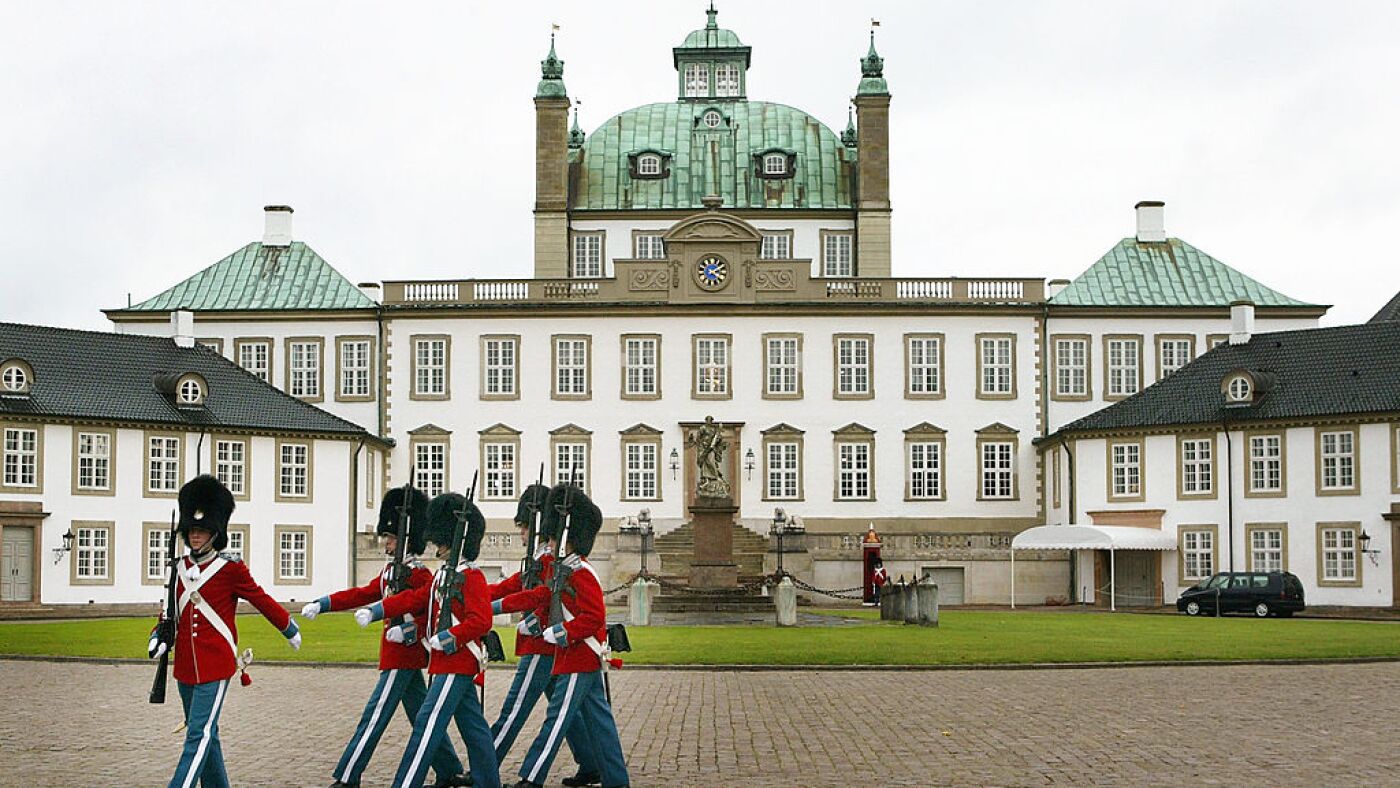
Should the U.S. model its vaccine policy on Denmark's? Experts say we're nothing alike Guards march in the courtyard of Fredensborg Palace in Denmark. The northern European country of around 6 million people has been suggested as a model for U.S. childhood vaccination policy. Scott Barbour/Getty Images Europe/Getty Images hide caption toggle caption Health Secretary Robert F. Kennedy Jr., a long-time vaccine critic, has made it clear he thinks American children get too many vaccines. Earlier this month, President Trump issued a memorandum directing Kennedy and the acting director of the CDC to align the U.S. with best practices on childhood vaccine recommendations from peer nations, and it specifically mentioned Denmark. That could mean fewer shots against fewer diseases. But critics say you can't simply adopt another country's vaccine schedule in the U.S., which has a very different population and different health risks. "It's like fitting a square peg in a round hole when our goal is to prevent disease," says Josh Michaud , associate director for global and public health policy at KFF. Denmark recommends routinely vaccinating all children against just 10 diseases. In the U.S., the immunization schedule calls for routine universal vaccination against 16 diseases. It was 17 diseases until last week, when the Centers for Disease Control and Prevention officially dropped the recommendation to vaccinate all newborns against hepatitis B. But Denmark has created its immunization schedule in a very different context than that of the U.S., notes Dr. Sean O'Leary , chair of the Committee on Infectious Diseases for the American Academy of Pediatrics. "It's like comparing a cruise ship to a kayak," says O'Leary, a professor of pediatrics and infectious diseases at the University of Colorado School of Medicine. Different populations, different health systems For starters, Denmark's population is about 6 million people - roughly that of Wisconsin - compared to more than 343 million people in the U.S. Denmark also lacks the racial and ethnic diversity and wide income disparities that are prevalent in the U.S. Denmark also has a highly unified health system, with a national health registry that basically tracks everyone from birth to death, Michaud says. "And so if there are outbreaks or if there are cases of these diseases, they can easily identify them," Michaud says. "They can treat them, get them into care, and also track down contacts, if that's needed for the particular disease we're talking about." What's more, Danish families get about a year of paid parental leave - between the two parents - so they can stay home with their babies, who potentially aren't exposed to as many diseases. Plus, Denmark has free, universal health care. So for example, if an infant is hospitalized with RSV - a disease which Denmark does not routinely vaccinate against but the U.S. does - then the system will absorb the cost, so it's not a barrier to getting care. That's very different from the U.S., where many people struggle to access health care, says Dr. Jake Scott ,...
Preview: ~500 words
Continue reading at Npr
Read Full Article