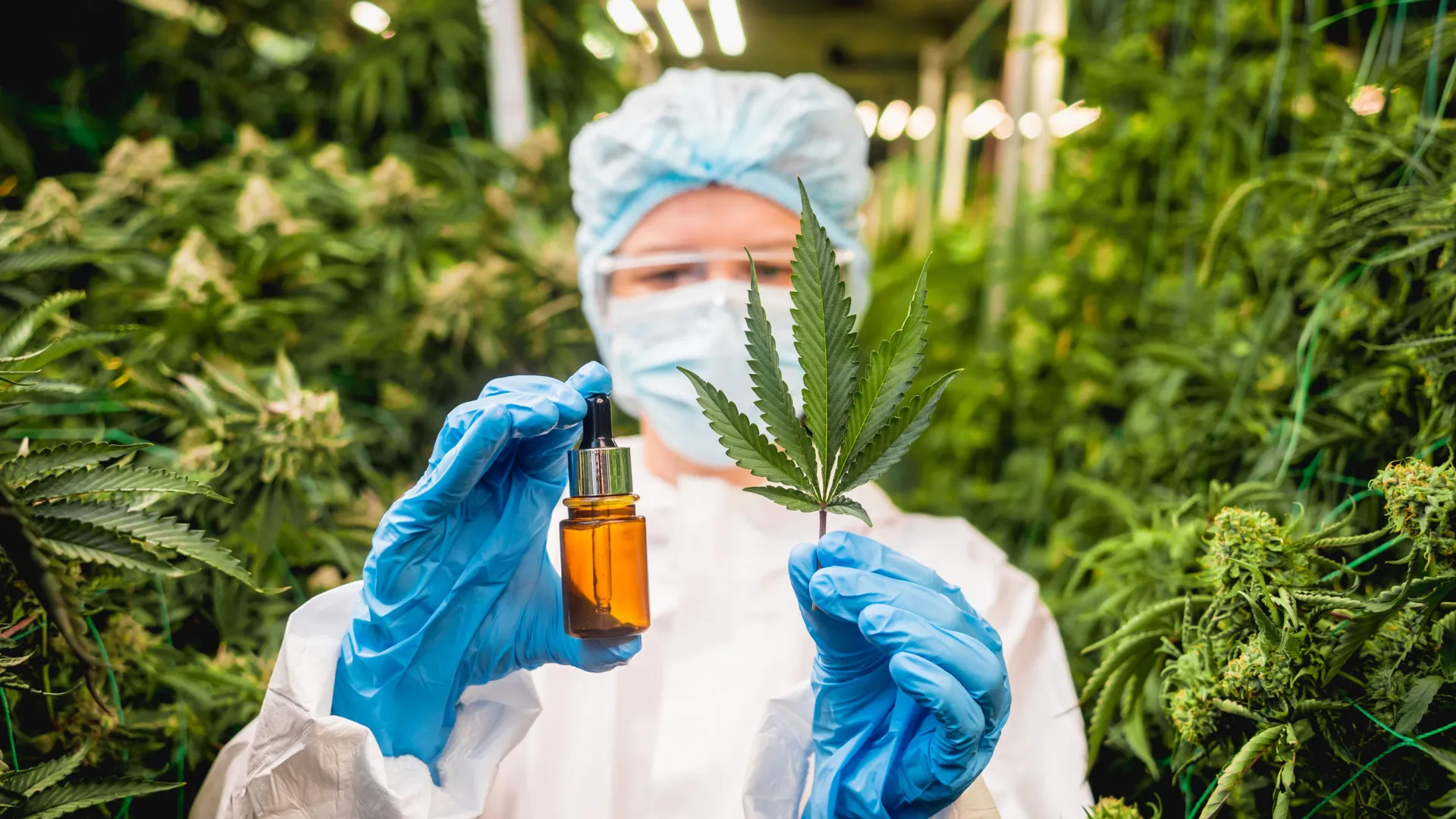
Scientists “resurrect” ancient cannabis enzymes with medical promise
Scientists “resurrect” ancient cannabis enzymes with medical promise Date: January 15, 2026 Source: Wageningen University & Research Summary: Scientists have uncovered how cannabis evolved the ability to make its most famous compounds-THC, CBD, and CBC-by recreating ancient enzymes that existed millions of years ago. These early enzymes were multitaskers, capable of producing several cannabinoids at once, before evolution fine-tuned them into today’s highly specialized forms. By “resurrecting” these long-lost enzymes in the lab, researchers showed how cannabis chemistry became more precise over time-and discovered something unexpected: the ancient versions are often more robust and easier to work with. Share: Where did cannabis compounds like THC, CBD, and CBC come from? Scientists at Wageningen University & Research have now provided the first experimental proof showing how cannabis developed the ability to make these well-known cannabinoids. Along the way, the team also created enzymes that could be useful for producing cannabinoids through biotechnology, especially for medical use. Their findings were published in the scientific journal Plant Biotechnology Journal . To reach these conclusions, the researchers rebuilt enzymes that no longer exist today but were active millions of years ago in early ancestors of the cannabis plant. Enzymes are essential to cannabinoid production in cannabis, driving the chemical reactions that create these bioactive compounds with recognized medicinal potential. How Cannabis Enzymes Evolved Over Time Today's cannabis plants rely on highly specialized enzymes to produce THC, CBD, and CBC. Each compound is made by its own dedicated enzyme. The new research shows that this precision is the result of evolution and was not always the case. Early versions of these enzymes were far more flexible. A single ancestral enzyme could generate multiple cannabinoids at once. Over time, gene duplications occurred during cannabis evolution, allowing these enzymes to gradually become more specialized and efficient at producing individual compounds. Recreating Ancient Cannabis Chemistry To uncover this history, the researchers used a method called ancestral sequence reconstruction. By analyzing DNA from modern plants, they were able to predict what ancient enzymes likely looked like millions of years ago. These recreated versions, known as ancestral enzymes, were then produced in the laboratory and tested directly. The results offer the first experimental evidence that cannabinoid production, including compounds such as THC, began in a relatively recent ancestor of cannabis and became more refined as the plant evolved. This process helped shape the complex chemical profile seen in cannabis today. New Insights With Biotech Potential Beyond revealing how cannabis chemistry evolved, the study highlights practical opportunities. The reconstructed ancient enzymes turned out to be easier to produce in micro-organisms, such as yeast cells, than modern cannabis enzymes. This matters because cannabinoids are increasingly manufactured using biotechnological methods rather than grown directly in plants. "What once seemed evolutionarily 'unfinished' turns out to be highly useful," says WUR researcher Robin van Velzen, who led the study with colleague Cloé Villard. "These ancestral enzymes are more robust and flexible than their descendants, which makes them very attractive starting points for new applications in...
Preview: ~500 words
Continue reading at Sciencedaily
Read Full Article