Israel calls out UN-backed Gaza famine report as biased, ignores aid flow and on-the-ground data
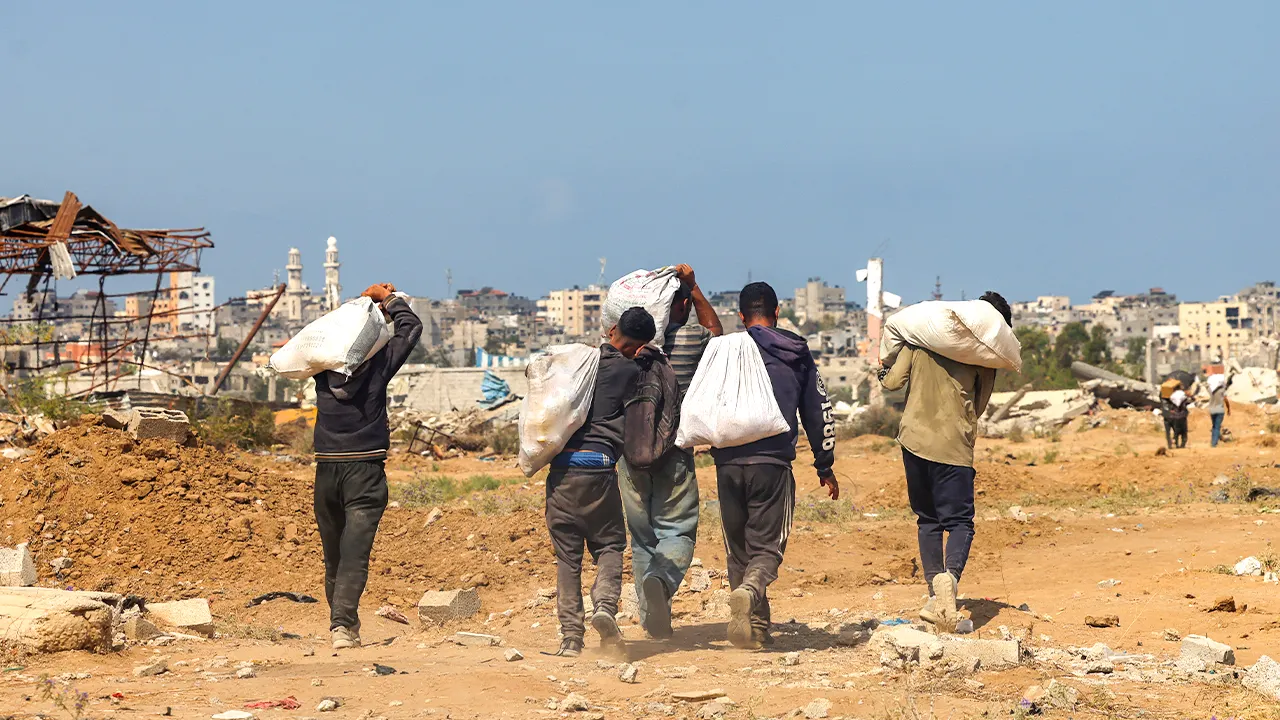
Military expert John Spencer on Gaza stabilization: "Think Kosovo, not Lebanon" Urban warfare expert John Spencer explains why the proposed international force for Gaza must not repeat failures of the past. Israeli officials have slammed the latest report from an organization that earlier this year claimed there was famine in parts of Gaza, saying the new document is biased and that its conclusions were "predetermined." The Integrated Food Security Phase Classification (IPC), a United Nations-backed organization, previously claimed famine conditions were met in Gaza Governorate in August but now says that about 1.6 million Gazans are facing "high levels of acute food insecurity. IDF Maj. Gen. Ghassan Alian, of the Coordinator of Government Activities in the Territories (COGAT), which deals with Gaza, called out what he said were "biased claims" by the IPC which he said, "disregard the volumes of food that entered during the ceasefire, indicating that the report’s conclusions were predetermined." ISRAEL PUSHES BACK AT ‘TAILOR-MADE’ UN-BACKED REPORT CLAIMING GAZA FAMINE Palestinians carry aid supplies which they received from the U.S.-backed Gaza Humanitarian Foundation, in the central Gaza Strip, May 29, 2025. (Ramadan Abed/Reuters) A statement from COGAT noted, "It is important to recall that this is not the first time IPC reports regarding the Gaza Strip have been published with extreme forecasts and warnings that do not materialize in practice. Time and again, IPC assessments have proven to be incorrect and disconnected from the data on the ground, contradicting verified facts, including aid volumes, food availability and market trends. The international community must act responsibly, avoid falling for false narratives and distorted information and refrain from legitimizing a biased and unprofessional report." In its latest report, the IPC’s Famine Review Committee addressed the changing circumstances, explaining that "following the publication of the [last] FRC report, there was a partial relaxation of the blockade and an increase in the availability of food and other essential supplies." While the FRC says this "came too late to avoid famine in Gaza Governorate in July and early August, the persistence of Famine and its spread to other governorates during the projection period has been avoided." Gazans carry food airdropped by Jordan and the United Arab Emirates on July. 27 (TPS-IL) In August, the IPC projected that two additional governorates would experience famine by Sept. 30. At the time, several experts disputed the presence of famine conditions, including Dr. David Adesnik, vice president of research at the Foundation for Defense of Democracies. Adesnik told Fox News Digital that mortality figures, while worrisome, did not reach levels expected during famine conditions. He also said that the prices on key food items had remained relatively stagnant or even declined during the period of alleged famine. Following the IPC’s latest report, Adesnik said that the IPC are still "dodging the question of proving that they were right" about prior famine declarations. US REPORT URGES UN AGENCY'S SHUTDOWN OVER HAMAS TIES, OCT 7 TERROR LINKS In assessing the lack of mortality numbers that indicate famine, Adesnik...
Preview: ~500 words
Continue reading at Foxnews
Read Full Article