The Arctic Island That’s Reclaiming Time
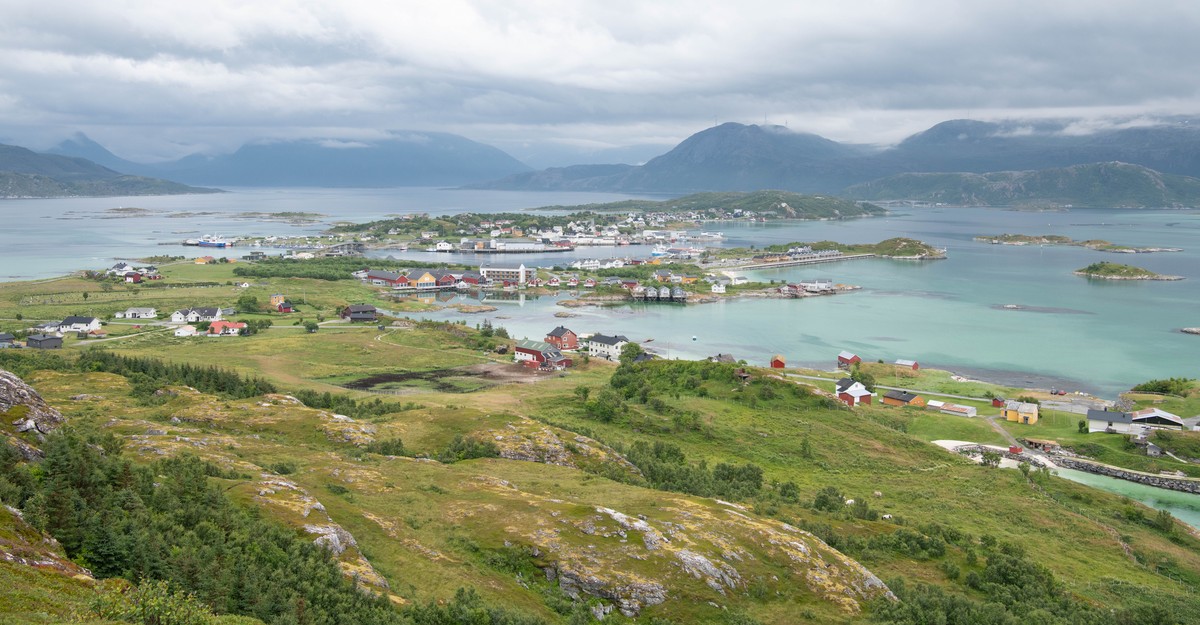
The Arctic Island That’s Reclaiming Time I traveled to Sommarøy to find out whether a town really can live free from the clock. Ingun Maehlum for The Atlantic Ingun Mæhlum forThe AtlanticA working clock in the café attached to Sommarøy’s grocery store Ingun Mæhlum forThe AtlanticA broken clock in Sommarøy Ingun Mæhlum forThe AtlanticCod hanging out to dry Ingun Mæhlum forThe AtlanticGjertrud Tvenning Gilberg’s beach-café offerings Ingun Mæhlum forThe AtlanticGjertrud Tvenning Gilberg runs a beach café in Sommarøy. She carries everything from her house to the café. Ingun Mæhlum forThe AtlanticSommarøy Ingun Mæhlum forThe AtlanticGjertrud Tvenning Gilberg swims in the ocean every morning. When the sun rises on May 18 in the small Norwegian fishing village of Sommarøy, located above the Arctic Circle, it doesn’t set again until July 26. Later in the year, it vanishes from November until January. In the winter, the island is covered in snow. But during the midnight sun, the weather is temperate, even hot. Purple wildflowers stick out of mossy grass, and the electric-blue water and white sand look more Caribbean than Arctic. Walking along the coast around 11 p.m., you might see kayakers paddling on the smooth sea in the distance, or children in pajamas fishing and running along the beach with their catches. Inspired by the extreme periods of light and dark, in late spring 2019, a group of locals signed a petition to make the village the first “time-free zone,” a place where anyone could buy groceries, cut grass, or eat dinner no matter the time. Their reasoning made sense enough: In a town where the sun shines at 1 a.m. in July and you can see the stars at 1 p.m. in December, the time on the clock is meaningless. International media seized on the time-free zone as a curiosity, and the town leaned into the branding, flaunting its freedom from the clock and inviting others to experience it. The realities of how to run a business, coordinate work, and have a social life without time went unmentioned; what mattered was the fantasy of a time- and stress-free life. Some semblance of time does exist on Sommarøy. The grocery store, which is the only true store in town, has opening and closing hours, as does the café on the beach. The hotel has regular check-in and check-out times. People have cellphones that tell time. Yet when I visited in July, the island was deep into its nightless rhythm, and I saw signs that the clock held little sway. When I tried to schedule a meeting with Olivier Pitras-the 65-year-old owner of a bed-and-breakfast and a kayak-rental company that gives midnight tours-he told me to simply drop by his shop and see if he was available. To achieve even further immersion in the time-free life, I obscured the clocks on my phone and my laptop and blocked the time of incoming email. The night I arrived, I walked around the entire island at an easy pace. The colors in the sky...
Preview: ~500 words
Continue reading at Theatlantic
Read Full Article