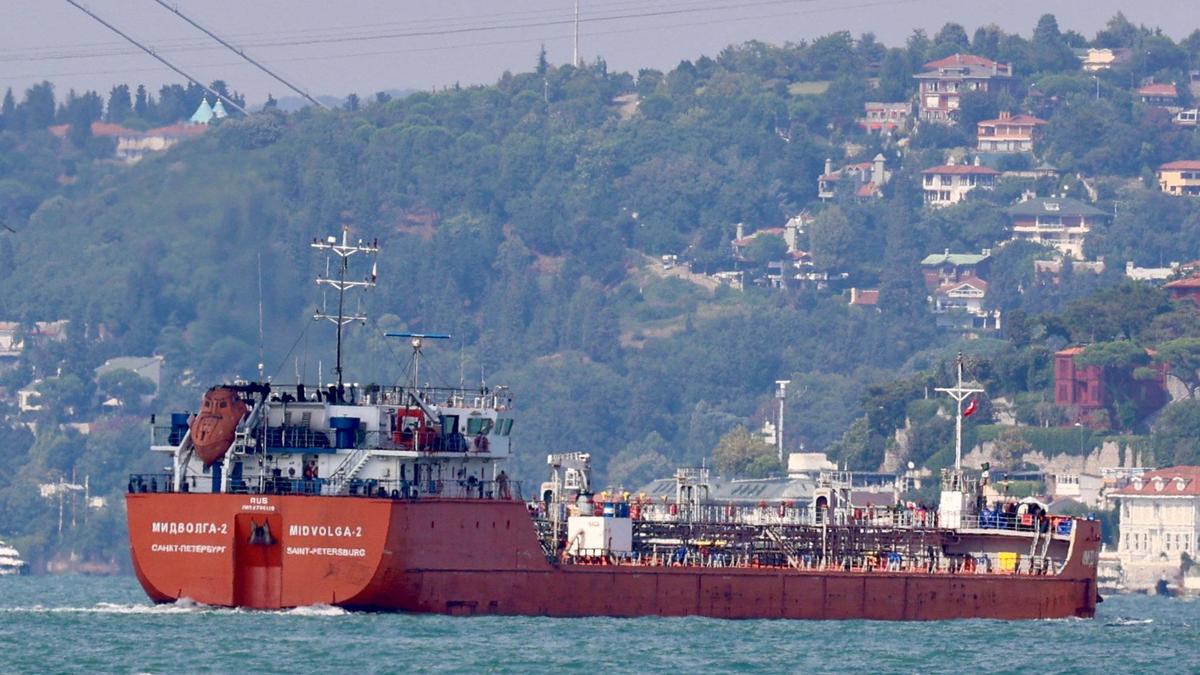
How India’s oil basket has changed over the years
Historically, energy security for the world’s third-largest oil consumer India has been about navigating the prevailing geopolitics whilst ensuring a positive economics for purchase of crude oil purchases. From Saudi Arabia accounting for two-thirds of our oil imports, to Russia emerging as the major supplier, New Delhi’s crude oil basket has seen multiple policy shifts over the years. Sourcing from West Asia Ranjeet Mehta, CEO & Secretary General at the industry body PHDCCI, and an observer of India’s energy sector, notes that before 2005, India has traditionally depended on West Asia for its crude requirements. Over 70% of the crude oil came from Saudi Arabia, Iraq, Iran, Kuwait and UAE. “Our crude oil supplies saw a gradual broadening from 2005 to 2015 and included supplies from Nigeria and Angola in Africa and Venezuela in South America,” he observed. Despite this gradual broadening, more than 60% of the crude oil imported in 2011-12 came from seven West Asian nations: Saudi Arabia (About 17% of the overall basket), Iran (11.3%), Iraq (10.5%), Kuwait (7%), United Arab Emirates (9%), Oman (3.4%) and Qatar (3.3%). Oil from the African continent, primarily from Nigeria and Angola, stood at a distant second, together accounting for about 20% of the oil that India imported during the period. Tehran challenge The imminent challenge to the existing structure back then had its epicentre in Tehran. In June 2010, The U.N. Security Council sanctioned Iran to stop them from acquiring weapons. This was in reaction to Iran’s overt moves seeking to scale up its nuclear programme. Later, in 2011, the United States also sanctioned the Central Bank of Iran and sought to sanction any other country’s bank if they procured Iranian oil. In May 2011, then Minister of State for Petroleum and Natural Gas R.P.N. Singh, albeit not mentioning the international pressure, informed Parliament that India had cut down on its Iranian purchases. Subsequently, its share in India’s crude basket dropped to 7.1% in fiscal year 2012-13, 5.8% in 2013-14, 5.7% 2014-15 and 6.2% in 2015-16. Iranian conundrum continues Sanctions on Iran were lifted in 2016 after it was seen to have met their commitments under the U.N. Security Council’s approved nuclear agreement. As a result, India upped its crude oil imports from Iran to 12.7% in 2016-17. This was only until U.S. President Donald Trump debuted at the Oval Office to impose a fresh set of sanctions in 2017. In the subsequent years - 2017-18 and 2018-19 - Tehran’s share in India’s oil imports fell to a little more than 10%. New Delhi, having diversified its sources, procuring more from the United Arab Emirates and increasingly from the U.S., slashed its Iranian purchases by 91.8% in 2019-20. At present, Mr. Mehta notes, approximately 8-10% of our oil comes from the African region, 10-12% from the Americas, with the Middle East accounting for 40-45% of our oil imports. Russian oil enters basket The next big change in India’s basket happened in 2022. Moscow’s actions in Ukraine, starting February 2022, mired...
Preview: ~500 words
Continue reading at Thehindu
Read Full Article