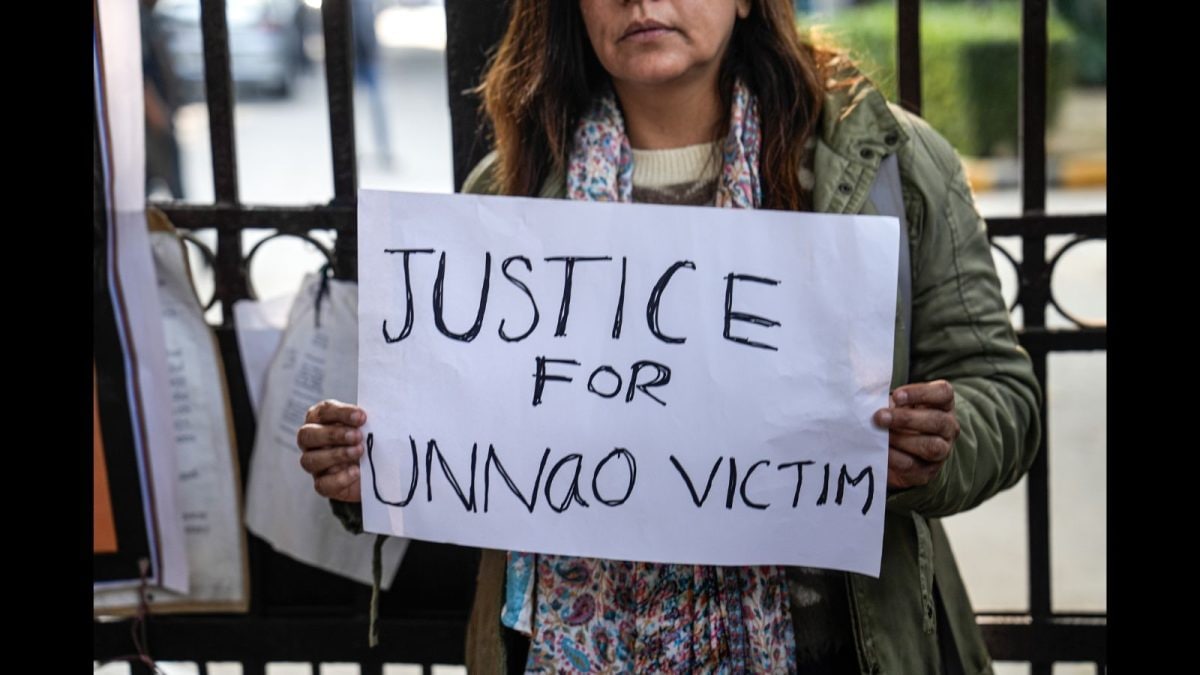
Delhi High Court, CBI Or The System? Who Failed The Unnao Rape Survivor
Delhi High Court, CBI Or The System? Who Failed The Unnao Rape Survivor Justice is not only about conviction. It is about confidence. And today, the survivor’s confidence in the system appears shaken Share Your Feedback + Follow usOn Google The suspension of the life sentence of former BJP MLA Kuldeep Singh Sengar by the Delhi High Court has triggered widespread outrage. But beyond the immediate anger lies a deeper, more uncomfortable question-not just about one judicial order, but about how India’s criminal justice system treats survivors after conviction. The Unnao rape case was never an ordinary prosecution. It involved a minor survivor, a powerful sitting legislator, allegations of sustained intimidation, the death of the survivor’s father under contested circumstances, and extraordinary security measures during trial. When the trial court convicted Sengar and sentenced him to imprisonment for the remainder of his natural life, the verdict was widely seen as a rare assertion of accountability against entrenched power. Recommended Stories That sense of closure has now been shaken. On December 23, the Delhi High Court suspended Sengar’s sentence while hearing his appeal. The court’s reasoning rested on a technical interpretation of the law: that a Member of Legislative Assembly does not fall within the definition of a “public servant" under Section 21 of the Indian Penal Code. Since the POCSO Act adopts this definition, the aggravated provisions under which Sengar had been sentenced-including Section 5(c) of POCSO and Section 376(2) IPC-were held inapplicable. On a narrow textual reading, the interpretation may appear legally arguable. But the order has raised troubling questions about how technical reasoning interacts with lived reality, especially in cases involving extreme power imbalance and documented fear. Suspension of sentence in life imprisonment cases is not routine. The Supreme Court has repeatedly held that once a conviction is recorded, the presumption of innocence no longer applies, and suspension must be granted only in exceptional circumstances. Factors such as the gravity of the offence, the role of the accused, and the impact on the survivor are meant to guide the court’s discretion. In this case, those factors included the rape of a minor, abuse of political influence, allegations of intimidation, and the need for sustained protection of the survivor and witnesses during trial. Yet the high court’s order largely frames the matter as a sentencing error rather than a crime with continuing consequences. The most troubling aspect of the order, however, lies in its treatment of the survivor’s fear. The survivor and her family told the court that Sengar’s release would put her life at risk, citing past violence and sustained intimidation. These concerns were not speculative. Court records acknowledge the death of the survivor’s father, pressure on witnesses, and the necessity of security arrangements. Still, the high court observed that a convict cannot be kept in custody merely on the apprehension that the police may fail to perform their duty. For survivors of sexual violence, fear is not an abstraction-it is rooted in memory and experience. Reducing that...
Preview: ~500 words
Continue reading at News18
Read Full Article