Making progress on global health will need high-quality evidence
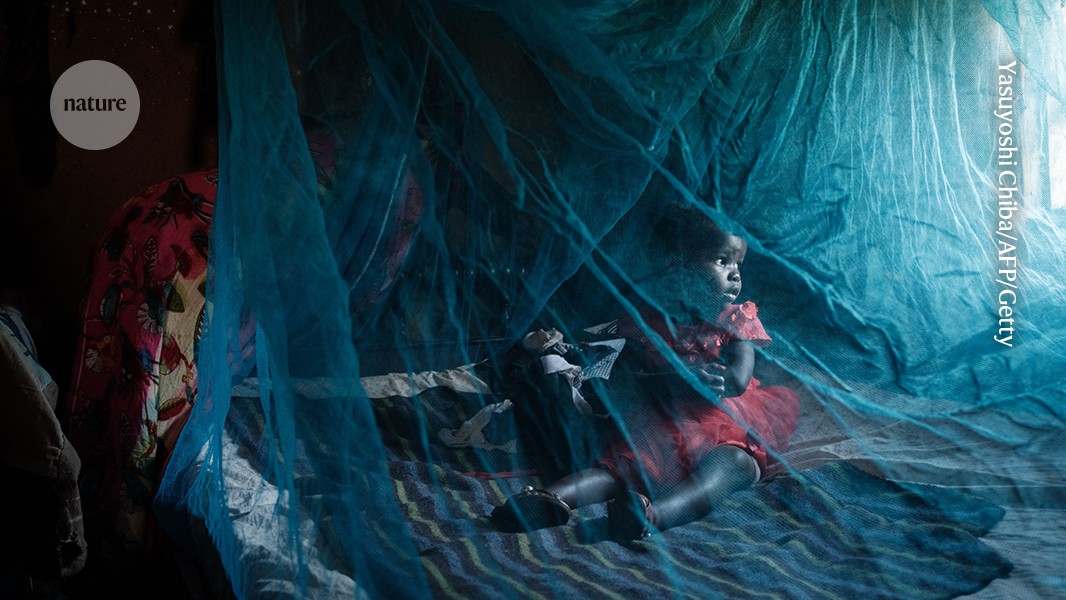
Malaria cases are on the rise.Credit: Yasuyoshi Chiba/AFP/Getty Malaria cases are on the rise.Credit: Yasuyoshi Chiba/AFP/Getty In 2015, the international community made a historic pledge to end epidemics of AIDS, tuberculosis, malaria and other communicable diseases by 2030. Nations committed to achieving universal health coverage, and promised to ensure that everyone, everywhere had access to safe and affordable medicines and vaccines. These pledges formed the third goal in the United Nations Sustainable Development Goals (SDGs), which focuses on healthy lives and well-being for all. Achieving the goals by the UN’s deadline of 2030 was always going to be a stretch. But to have world leaders commit to these and other targets was no small achievement. Some progress was recorded in the first five years after that landmark moment. There were fewer deaths among newborns and children under five. New HIV infections declined, and the proportion of the world’s population with access to universal health care continued to rise, albeit more slowly than before 2015. But, as a result of the COVID-19 pandemic, wars and other factors, average global life expectancy is now declining for the first time in decades. Polio, once on the brink of eradication, has re-emerged. Malaria cases have been rising since 2016. It is unacceptable that more isn’t being done - and more can be done. We at Nature - and journals across the Nature Portfolio - remain determined to play what small part we can in progressing all of the SDGs. The goals are an important focus for our publisher, Springer Nature, too. Synthetic data can benefit medical research - but risks must be recognized Today sees the launch of a new journal, Nature Health , with the mission of “bridging the implementation gap from health research to policy and practice”. The journal’s first Editorial states: “We will prioritize research with real-world impact, especially when conducted in resource-limited settings, whether in low- and middle-income countries or in deprived communities elsewhere.” 1 The journal’s launch - and the challenges the publication seeks to help resolve - come at a time when scientific knowledge in medicine and health care is progressing at perhaps the most rapid pace in human history. From gene editing to 3D bioprinting, high-resolution imaging to robotic surgery, clinicians have tools that could revolutionize the diagnosis, prevention and treatment of disease. But there are stark disparities in health outcomes and life expectancies between people on high and low incomes. In low- and middle-income countries (LMICs) especially, routine public-health services such as clean water and sanitation are out of reach for billions 2 . There is an “unprecedented crisis” in financing for global health, writes Tedros Adhanom Ghebreyesus, the director-general of the World Health Organization, in Nature Health ’s first issue . In 2025, international funding for health in Africa alone is projected to have fallen to below US$40 billion, from $80 billion in 2021, as wealthier countries slashed their health aid budgets, according to a News feature 3 . 4 The current crisis is a...
Preview: ~500 words
Continue reading at Nature
Read Full Article