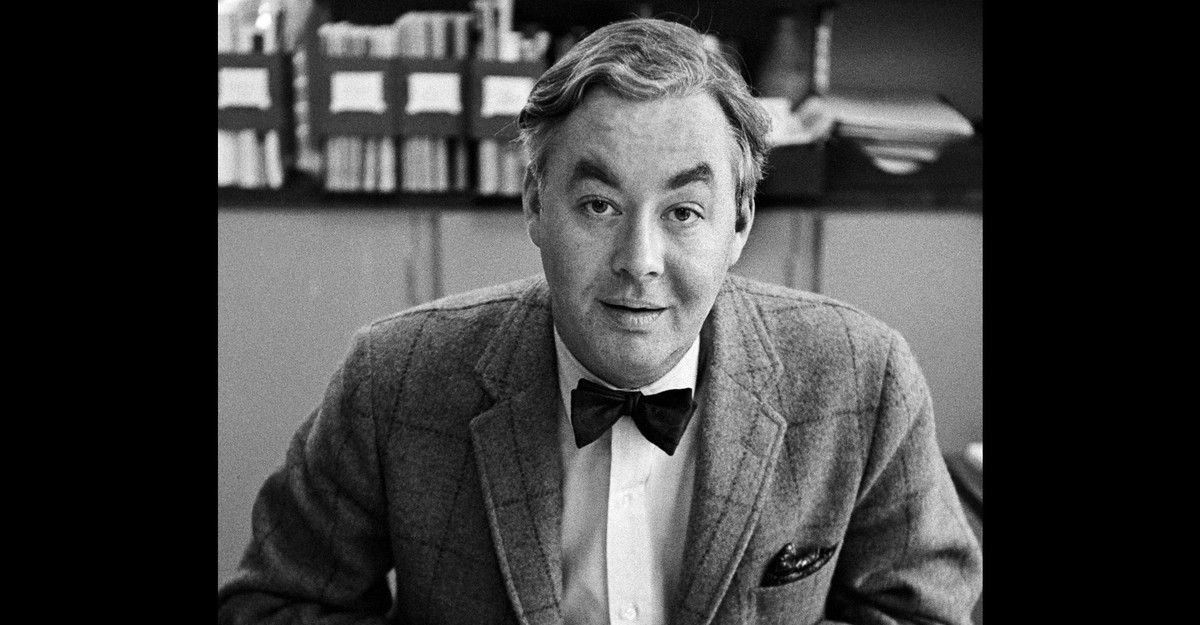
A Misremembered Working-Class Democrat
D aniel Patrick Moynihan , who died in 2003, might be remembered most for his erudition. During his 25 years in the Senate, Moynihan often turned the legislative chamber into a lecture hall. “That man just got up and spoke for 45 minutes with no notes and no reference materials, and proceeded to delineate the entire history of the Panama Canal,” a fellow legislator once reported . The New York Democrat and Harvard professor wrote or edited 18 books—and many more articles—on topics including automobile safety, organized crime, federal architecture, international law, and government secrecy. But these efforts had little to do with how he won four elections to the Senate. Despite his quasi-British accent and bow ties, Moynihan always identified with the working class, and he came to resent the elites of his own party. This perspective, informed by his tumultuous youth, fueled his political success far more than his intellect. It allowed him to understand the anger of working-class voters, many of whom were alienated by the left’s endorsement of affirmative action in the 1960s and its rejection of national pride after Vietnam. Moynihan’s bitter criticisms of the party don’t provide a model for Democrats today; he was too often blinded by personal grievance. But his critiques prefigured, and help explain, some of the greatest challenges his party now faces. Moynihan chronicled the exodus of working-class voters from the left as it began. Today, as Democrats debate how to win them back, they would do well to remember what he saw and, no less important, what he didn’t. Read: The Democrats’ working-class problem gets its close-up T he press typically described Moynihan’s life as a Horatio Alger tale, the same way he liked to tell it himself: A boy who shined shoes on the sidewalks of Manhattan rose to the halls of academia, then high office. But the real story was more complicated, and more painful. Volatility defined Moynihan’s early life. Born into the middle class, he spent summers riding horses and caddying at a country club. When his father abandoned the family, they fell into poverty. The shoe-shining began at age 10 but ended when his mother remarried and they moved into a mansion in the New York suburbs. Two years later, divorce sent his family back to the city. Moynihan went to high school in Harlem, leaping on the rear of buses each morning to avoid the fare. Over the next decade, Moynihan continued to cycle through social classes. After high school, he worked as a longshoreman on the piers of Manhattan’s west side while getting a free public education at City College. Then he joined the Navy, which sent him to training programs at Middlebury College and Tufts University. On weekends, he visited his friends’ country homes and made frantic trips back to the city to help his mother run a bar she had bought in a rough neighborhood. Moynihan had reservations about his new social set, who he thought lacked the toughness and insight...
Preview: ~500 words
Continue reading at Theatlantic
Read Full Article