Scientists question the safety of BPA-free packaging
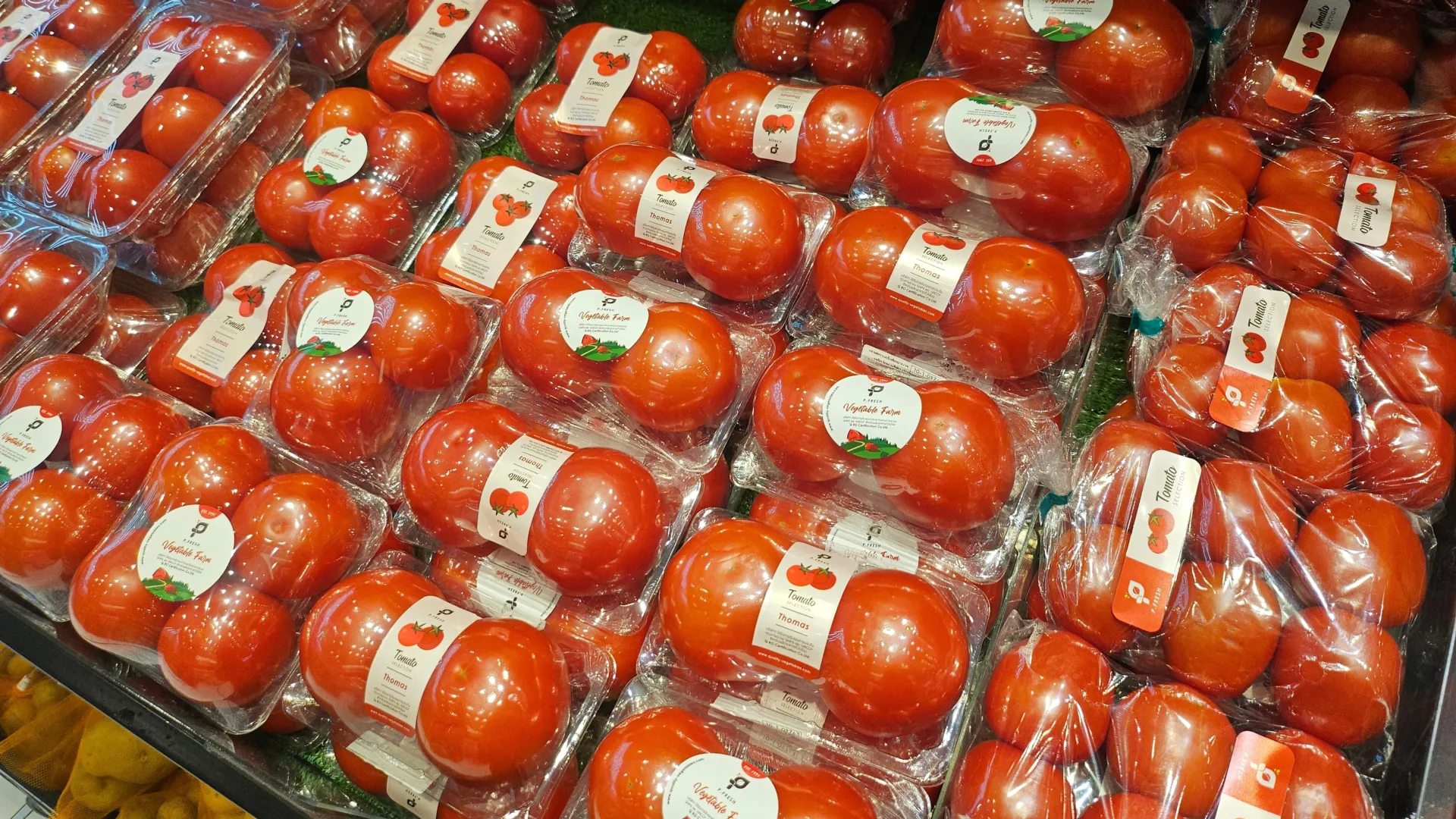
Scientists question the safety of BPA-free packaging “BPA-free” packaging may be a comforting label-but the chemicals replacing BPA could be quietly raising new health concerns. Date: January 15, 2026 Source: McGill University Summary: “BPA-free” food packaging may be hiding new risks. A McGill University study found that several BPA substitutes used in grocery price labels can seep into food and interfere with vital processes in human ovarian cells. Some triggered unusual fat buildup and disrupted genes linked to cell repair and growth. The results raise concerns that BPA replacements may be just as troubling as the chemical they replaced. Share: Chemicals used as replacements for bisphenol A (BPA) in food packaging may have concerning effects on human ovarian cells, according to researchers at McGill University. In a new study, scientists analyzed several substances commonly found in price stickers attached to packaged meat, fish, cheese, and fresh produce. Their experiments revealed early warning signs of possible toxicity linked to these chemicals. The results, published in the journal Toxicological Sciences , raise new questions about whether BPA-free packaging is truly safer and whether existing regulations provide enough protection for consumers. BPA replacements linked to cellular changes The investigation built on a 2023 finding by Stéphane Bayen, Associate Professor in McGill's Department of Food Science and Agricultural Chemistry. His earlier research showed that chemicals used in label printing, including bisphenol S (BPS), a common BPA substitute, can migrate through plastic wrap and end up in food. To better understand what happens after exposure, Bayen partnered with experts in reproductive toxicology. The research team exposed lab-grown human ovarian cells to four widely used BPA alternatives: TGSA, D-8, PF-201 and BPS. Several of these substances, especially TGSA and D-8, led to fat droplet buildup inside the cells and altered the activity of genes involved in cell growth and DNA repair. "These are major cellular functions," said Bernard Robaire, co-senior author of the study and James McGill Professor in McGill's Departments of Pharmacology & Therapeutics and Obstetrics & Gynecology. "Disrupting them doesn't prove harm in humans, but it gives us a strong signal that these chemicals should be further investigated." BPA-free labels and regulatory blind spots BPA is known to interfere with hormone activity and has been associated with fertility issues, developmental problems, and metabolic disorders. Due to these risks, it has been banned from baby bottles and restricted in certain products in Canada. However, many of the chemicals introduced to replace BPA are not subject to the same level of oversight and are not routinely tested for safety, the researchers noted. "'BPA-free' is an incredibly misleading label," said Robaire. "It usually means one bisphenol has been swapped for another, and there are more than 200 of them. Some may be just as harmful, or even worse. We need to test these compounds before they're widely adopted, not after." Health Canada has since added all four chemicals examined in the study to a list of substances that require further review. For consumers who want to reduce...
Preview: ~500 words
Continue reading at Sciencedaily
Read Full Article