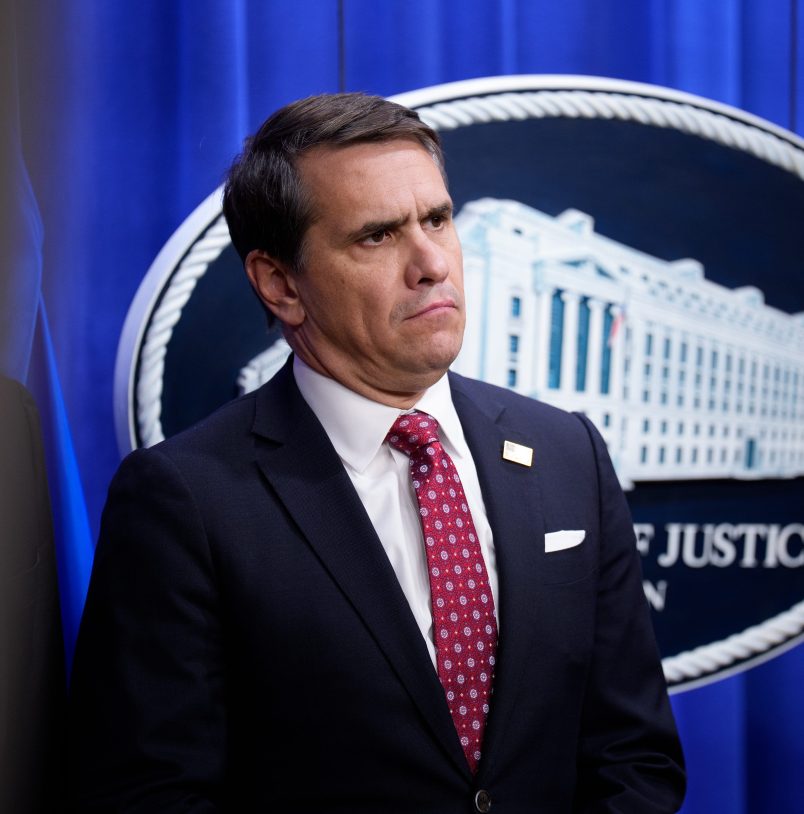
Judge Calls Trump DOJ’s Bluff On Todd Blanche’s Testimony
A lot of things happened. Here are some of the things. This is TPM’s Morning Memo. Put Up or Shut Up Time A complicated dance is underway in the criminal case of Kilmar Abrego Garcia over his claim of vindictive prosecution by the Trump DOJ, so let me give you the toplines first: The bad news ... We may not get to hear live testimony from three top DOJ officials: Deputy Attorney General Todd Blanche, associate deputy attorney general Aakash Singh, and acting principal associate deputy attorney James McHenry. The good news ... The judge may not need that testimony to go ahead and rule that Abrego Garcia is the victim of a vindictive prosecution and dismiss the case. That’s the upshot of a new order from U.S. District Judge Waverly D. Crenshaw Jr. of Nashville, in which he scratched the existing Jan. 27 trial date from the calendar and instead scheduled a Jan. 28 evidentiary hearing on the vindictive prosecution claim. It’s time for the Trump DOJ to put up or shut, though Crenshaw put it more nicely than that. That’s the simplest way to explain it. Now let me see if I can give you a more thorough version without making your eyes cross. Crenshaw already ruled in October that there was “a realistic likelihood of vindictiveness” against Abrego Garcia. Most importantly for our purposes, that decision created a presumption in Abrego Garcia’s favor that this is a vindictive prosecution and shifted the burden to the government to now rebut that presumption “with objective, on-the-record explanations” that it had a legitimate basis for charging Abrego Garcia, as Crenshaw explained in yesterday’s order. If the government succeeds in rebutting the presumption of vindictive prosecution, then the burden shifts back to Abrego Garcia to “prove that the offered justification is pretextual and that actual vindictiveness has occurred,” Crenshaw ruled. With that as background, here’s the kind of sneaky genius thing that Crenshaw did. Crenshaw decided to bifurcate the proceedings by holding the Jan. 28 evidentiary hearing only on the initial question of whether the Trump DOJ can rebut the existing presumption in Abrego Garcia’s favor that this is a vindictive prosecution. If the Trump DOJ fails, then that may very well spell the end of the criminal case because dismissal is one remedy for vindictive prosecution. If the Trump DOJ succeeds, then the burden shifts back to Abrego Garcia to show actual vindictiveness. In that case, Crenshaw would then rule on the outstanding question of whether Blanche and the other DOJ officials must comply with Abrego Garcia’s subpoena for their testimony. At the moment, the Trump DOJ has a motion pending to quash those subpoenas as part of what has been a raging battle over how much discovery into the vindictive prosecution Abrego Garcia is allowed to have. (Most of that discovery dispute has been under seal, so our visibility into it has been very limited. But in a separate order this week, Crenshaw said he will unseal a crucial...
Preview: ~500 words
Continue reading at Talkingpointsmemo
Read Full Article