The Pro-Democracy Case for a National Theater
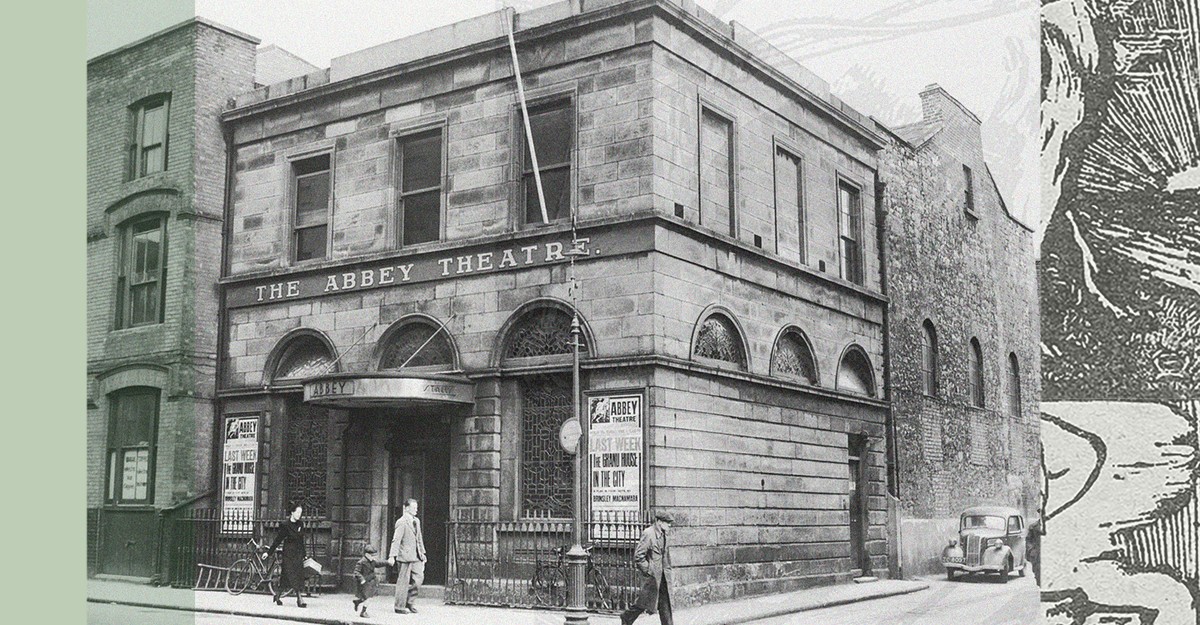
The Pro-Democracy Case for a National Theater For 100 years, Ireland’s Abbey Theatre has shown that a publicly funded troupe can deliver cultural riches and hard truths. Illustration by Anna Ruch / The Atlantic. Sources: Bettmann / Getty; Elinor Darwin. Hulton-Deutsch Collection / Corbis / GettyAugusta, Lady Gregory co-founded the Abbey Theatre, which became Ireland’s first state-funded theater and influenced the Federal Theatre Project. Ince Publishing CompanyHallie Flanagan, the director of the Federal Theatre Project, was partly inspired by Dublin’s Abbey Theatre to champion work that challenged American beliefs. Earlier this year, as President Donald Trump engaged in a spree of cuts to federal arts funding, alongside partisan assaults on national cultural institutions such as the Kennedy Center , I found myself thinking about the Depression-era origins of government-funded art in the United States. During a time of economic and social strife, Washington responded by investing in the arts-even if it resulted in work that made some Americans uncomfortable. The Federal Theatre Project , an arm of the Depression-era Works Progress Administration, may have been the closest thing the country ever had to a true national theater. From 1935 to 1939, it engaged out-of-work actors, writers, directors, and stagehands across the country to produce plays, many of them free, that toured the U.S. and were enjoyed by some 30 million citizens , a majority of whom had never seen a live play before. Yet the most American thing about the FTP might not have been its populist spirit, but rather its tumultuous demise. The project’s more progressive features turned it into a hot-button issue in the Capitol. Some productions involved racially integrated casting; others advanced radical visions of the country’s future, such as the possibility of a female president . Still others warned of the rapidity with which democracy could give way to dictatorship. In a dark American era plagued by Jim Crow and rampant poverty, the plays of the FTP tended to engage frankly with some of the grimmer American truths. Naturally, the House Un-American Activities Committee -which was formed to find and punish Communist influence everywhere-suspected plenty of it here. And one congressman, Representative Martin Dies of Texas, saw the FTP as a useful scapegoat in a crusade against any culture that was critical of America’s absolute goodness. Such a campaign was an opportunity for a particularly cynical type of politician to gain power and influence. Never mind that Dies’s target consumed less than 1 percent of the WPA budget-the press couldn’t look away. An overwhelming majority of the House voted to end the program, and its funding was canceled. Goodbye to the last great effort to give Americans in many regions significant access to excellent, original American theater. Trump’s broad cancellation of grants from the National Endowment for the Arts amounts to pennies when compared with the budget of the FTP, which cost about $46 million-about $1 billion in today’s dollars-over four years. But for some theaters, the cuts were a devastating blow. The communities likely to...
Preview: ~500 words
Continue reading at Theatlantic
Read Full Article