He Built a $160,000 Recovery Chamber Before People Even Knew They Needed One
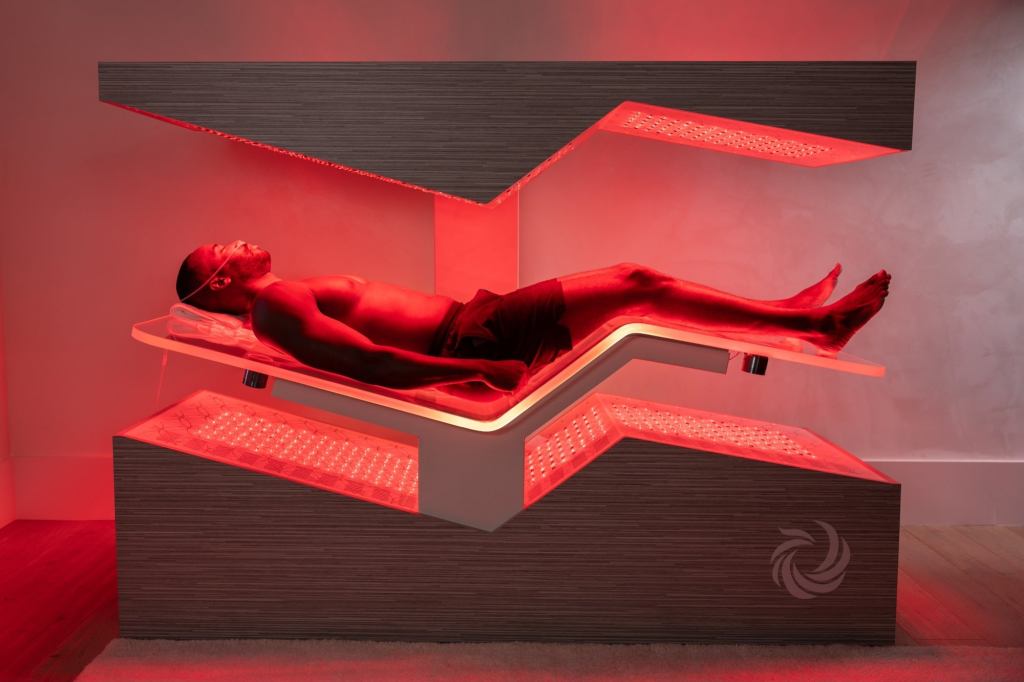
He Built a $160,000 Recovery Chamber Before People Even Knew They Needed One Brian Le Gette, Founder and CEO of Ammortal, made a big bet that red-light therapy could attract big spenders. Opinions expressed by Entrepreneur contributors are their own. Key Takeaways Brian Le Gette built a $160,000 recovery chamber without proven demand, betting that firsthand experience would create a market. After years of successes and failures, Brian Le Gette applied a slow-growth, experience-first approach to launching Ammortal’s futuristic recovery device. He’s turned a skeptical reaction into a hit with athletes, biohackers and influencers. Getting people to try something new is hard. Getting skeptics to lie down inside a $160,000 device is harder. Brian Le Gette learned that early while demonstrating his recovery chamber to an NHL player who didn’t want to be there. “His wife made him do it,” Le Gette recalls. The player climbed in reluctantly, expecting little. When the session ended, he didn’t come out. After several minutes, Le Gette and a colleague checked in. The player looked up and said, “Oh my effing God, I was flying through the sky.” It was reactions like this that led Le Gette to build Ammorta l, a wellness technology company centered on an immersive recovery chamber that looks like something out of Architectural Digest . How it works: Users lie flat on a padded table inside the enclosed chamber while panels of red and near-infrared light illuminate around them, low-level electromagnetic pulses cycle through the body, and synchronized sound and vibration play through the table. Some sessions also include optional hydrogen inhalation. Ammortal has attracted attention not just from high-end spas and training facilities, but also from athletes, biohackers, and lifestyle influencers. Related: The Future of Wellness Is Happening IRL - Not on Your Feed Jumping into the unknown When Le Gette began working on Ammortal, there was no clear sign this would be a money maker. No one was asking for a six-figure recovery chamber, and there was no obvious playbook for selling one. “I just built it, put people in it, and watched what happened. When the reaction was consistently positive, that told me more than any market research could,” he says. Instead of rushing to scale, Le Gette kept putting different people into the chamber-athletes, executives, skeptics-and watched for consistency. “I kept putting different people in it to see if the experience held up,” he says. The reactions weren’t identical, but the pattern was. People emerged calmer, quieter, and more grounded than when they went in. For Le Gette, that repeatability mattered. If the experience worked across personalities and expectations, he believed it could support a business. Risky business But that belief came with risk. This was Le Gette’s fifth company, following a career that included both costly failures and big wins. He had built a business that landed on the Inc. 500 fastest-growing companies, and he had also “driven one straight into a wall,” losing millions. Those experiences shaped how he approached Ammortal. Rather than...
Preview: ~500 words
Continue reading at Entrepreneur
Read Full Article