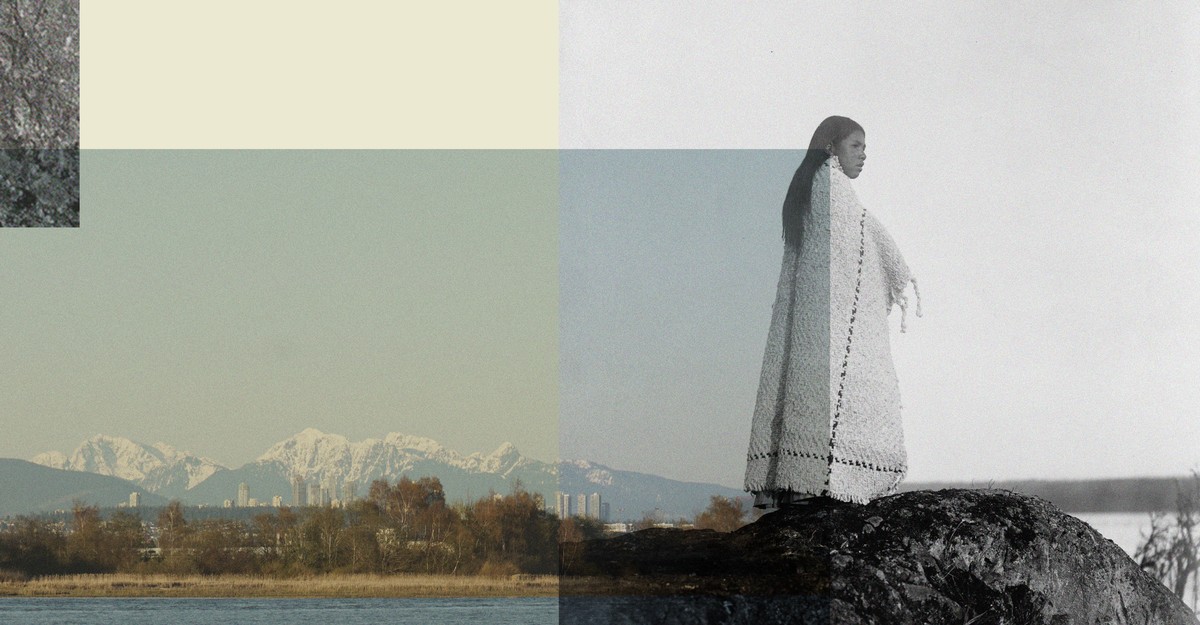
Good Intentions Gone Bad
A ttend a public event in Canada and you will likely hear it open with a land acknowledgment. In the city of Vancouver, for example, the script might read: “This place is the unceded and ancestral territory of the hən̓q̓əmin̓əm̓ and Sḵwx̱wú7mesh speaking peoples, the xʷməθkʷəy̓əm (Musqueam), Sḵwx̱wú7mesh (Squamish), and səlilwətaɬ (Tsleil-Waututh) Nations, and has been stewarded by them since time immemorial.” I’ve been present for many of these recitations, which are common in liberal areas of the United States too. They are usually received by their audiences as a Christian invocation might once have been: a socially required ritual in which only some believe, but at which it would be rude to scoff. After all, what harm does it do? In the past few months, Canadians have learned that these well-meaning pronouncements are not, in fact, harmless. Far from it. Canadian courts are reinterpreting these rote confessions of historical guilt as legally enforceable admissions of wrongful possession. In August, a British Columbia court ruled that the titles to public land across 800 acres south of downtown Vancouver must be subordinated to a new “Aboriginal title” belonging to a group of about 5,500 Indigenous Canadians . Although the judge in question has claimed that this decision does not apply to private land, the logic of this ruling has proved so muddled that it has called into question not only the private titles of some 150 landowners in the region but also the ownership of almost every piece of private land in British Columbia—and possibly all of Canada. Some Americans may try to apply this precedent to the U.S. too. The effects of the decision have been swift and harsh. Commercial-property values have collapsed in the city of Richmond because of uncertainty over titles. A hotel valued by its lenders at more than 110 million Canadian dollars in August traded hands for $51.5 million in October. I spoke this month with a landowner who had a major Canadian lender terminate discussions on a $35 million construction loan after the decision. At least one lease on an industrial building has been called into question because the tenant no longer knows whether the landlord still owns the premises. To offset the damage, the government of British Columbia has offered $150 million in loan guarantees to local landowners, putting taxpayers on the hook. David Frum: Against guilty history The dollar amounts at stake are enormous. Before the ruling deflated values, the more than 100 homes, businesses, and commercial properties in the area were valued at $2 billion. Yet because this case ostensibly doesn’t apply to private landowners—who are expected to litigate their own cases—they were denied any opportunity to defend their interests. At an earlier phase in the proceedings, advocates for the plaintiffs argued , “It foments adversity and unnecessary hostility to frame this as a claim against private property holders”—a clever move, which the British Columbia courts accepted in 2017. Eight years later, the judge in the case continued to dismiss concerns about...
Preview: ~500 words
Continue reading at Theatlantic
Read Full Article