How a tiny change could tip the balance of life at the end of the world
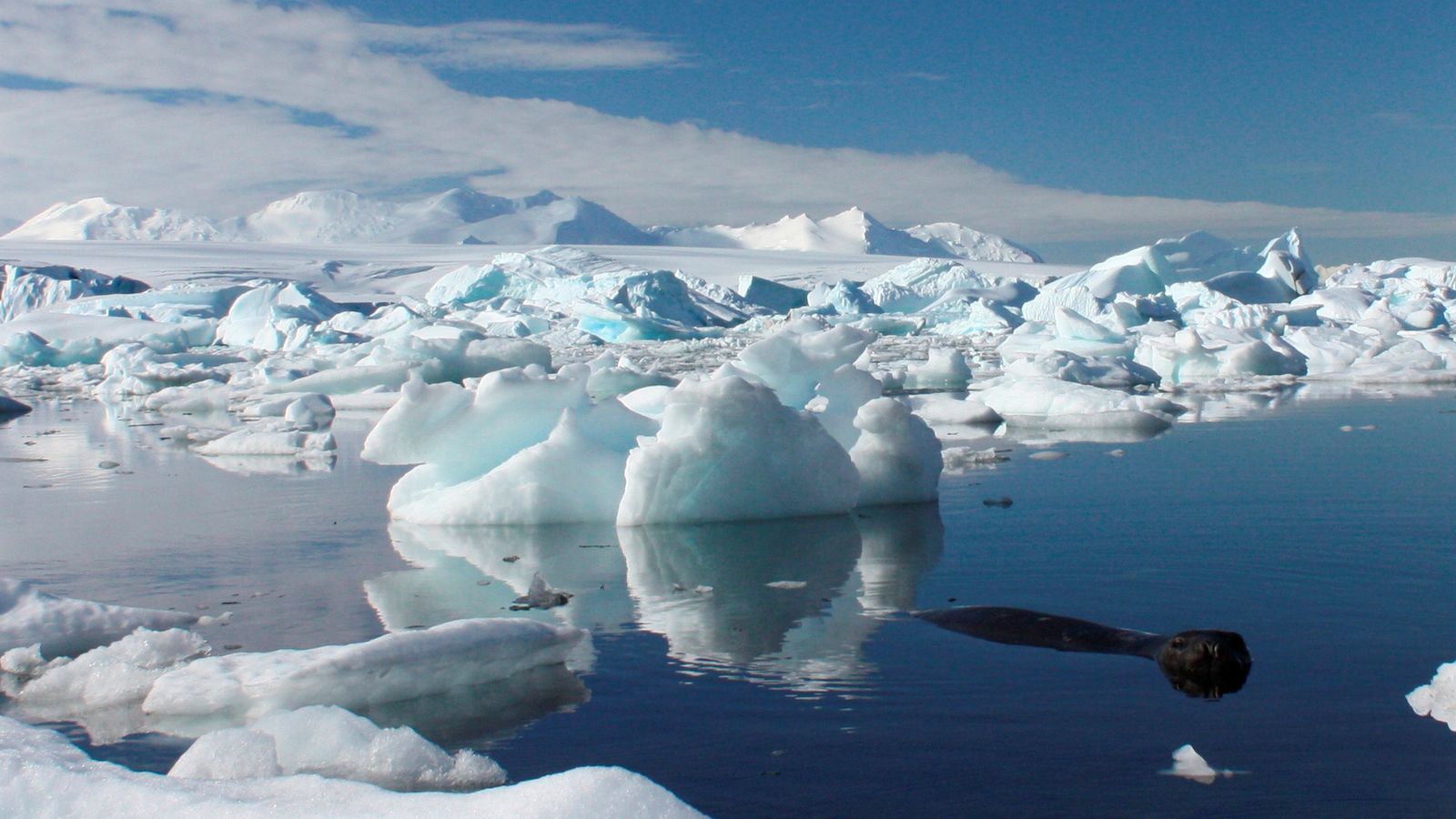
Antarctica: The tiny change that could tip the balance at the end of the world The biology of Antarctic species is very different; warm things up by just a degree or so, and they could emerge into a very different world. Image:A seal swims by icebergs off the British Antarctic Survey's Rothera base. File pic: Reuters Image:Professor Lloyd Peck of the British Antarctic Survey Image:Sky News' Tom Clarke in Antarctica Image:A satellite view of Antarctica from NASA. Pic: Reuters Friday 16 January 2026 03:39, UK Even though it's high summer in the Antarctic, the ocean around the Rothera research station is -1 Celsius. As some of the most productive oceans on the planet - a soup of microscopic plant and animal plankton - it's murky to boot. Not everyone's idea of the perfect scuba spot. But the divers I'm with seem positively excited about tipping themselves backwards into the depths. "You can get these big starfish with 40 arms that you don't see anywhere else, they're my favourites," said Pati Glaz, a marine biologist with the dive team of the British Antarctic Survey (BAS). For her dive partner, BAS marine biologist Matt Bell, it's "polar gigantism" that floats his boat. No, me neither. It's the phenomenon, he patiently explains through a thick neoprene helmet, of species exclusive to cold polar oceans growing much larger than their cousins in warmer waters. The colder the water, the more oxygen it can carry, and the more animal you can grow. "Because it's cold, the biology is very different," said Professor Lloyd Peck, who leads marine biology research at BAS. "Things live a long time," he said. In a rapidly warming Antarctic, that's not necessarily a good thing. Animals down here live long, partly because they grow and reproduce slowly. An Antarctic starfish can take hundreds of days to reproduce compared to a few weeks for its cousins in the UK. Warm things up by just a degree or so, and their larvae hatch earlier, in the winter, say, when there's no food and no light. "We're really worried that many species could fail because the timing of their cycles is changed in a very detrimental way, by just a small amount of warmth," said Prof Peck. The key strength of their dive research is they've been surveying the same sites on the seabed for nearly 30 years. Important, if you want to judge the winners and losers in an ecosystem that's already close to a degree warmer on average than when research here began. But diving in Antarctica is not without complications. As well as specialist dry suits and very thick gloves, before the divers go in, spotters on the surface to check for wildlife. Predatory leopard seals, common in these waters, prefer penguins. But their jaws are powerful enough to take a seal, or a similar-sized diver. Following a fatal encounter in 2003, if leopard seals or curious killer whales are spotted anywhere in the vicinity, before or during a dive, it's...
Preview: ~500 words
Continue reading at Sky
Read Full Article