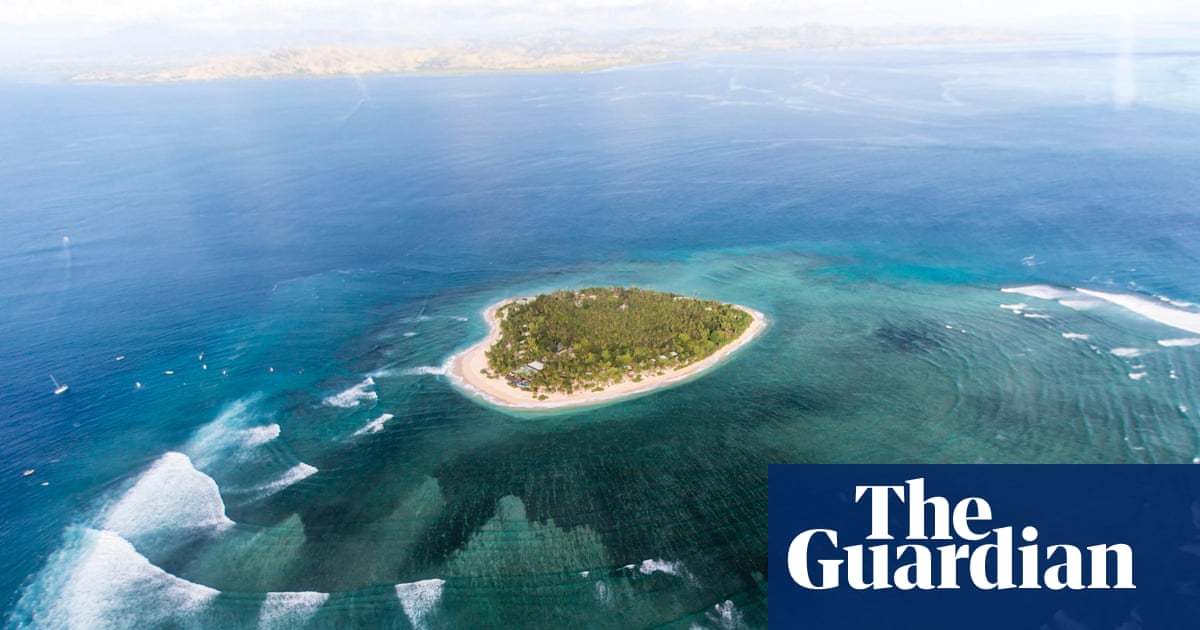
Fiji wrestles with plans to restore Indigenous rights over world-famous surf breaks
In Fiji , babies know a connection to the sea from birth; their umbilical cords, or vicovico, are sometimes implanted in the reefs that frame the coastal Pacific nation, embedded among the coral. It’s an age-old practice among iTaukei, the Indigenous Fijian people - creating a lifeline to the ocean, a reminder of their roles as traditional custodians. Surfers have long been lured to the perfect waves at Cloudbreak in Fiji, but for decades access was limited to paying hotel guests.Photograph: robertharding/Alamy An empty wave rolls through at Cloudbreak, Fiji.Photograph: Kelly Cestari/World Surf League/Getty Images Yet for decades, controversy over the rights to the Fijian seabed has cast a long cloud over the island nation, which sees a million tourists flock to its shores each year, many to surf the perfect, barrelling reef breaks. It has led to heartache and, at times, violence. Until 2010, access to Cloudbreak, one of the world’s most famous surf waves, was barred to Fijian locals, due to an exclusivity deal with a high-end resort from the early 80s. “It was demeaning, it was shameful,” says Ian Ravouvou Muller, an iTaukei surfer who recalls being threatened and chased out of the waters where the vicovico of his three sons are buried. “We are a saltwater people.” In 2010, the Frank Bainimarama-led military dictatorship introduced a surfing decree, banning payments for the use of Fiji’s reefs, lagoons and beaches, and putting an end to all exclusivity deals. Prior to 2010, Tavarua Island Resort paid local Nadroga tribes so it could offer its guests private access to Cloudbreak, and leases totalling 12m Fijian dollars (US$5.2m) between resorts and villages in that region were estimated to have been overridden by the decree. The Bainimarama decree meant open season on the waves for tourists and locals. This gave rise to a crop of young surfers, including Fiji’s first professional surfer - but trampled over customary marine rights, cutting iTaukei out of decision-making or profits as foreign-owned resorts sprang up and surf tourism boomed. Now, the Fijian government wants to return the rights to govern marine areas - known as qoliqoli - back to the Indigenous people, allowing iTaukei to be compensated for tourism operations on the reefs and fishing grounds that have formed their livelihoods. “Tourism going forward will see a huge degree of participation for Indigenous people,” said Fiji’s deputy prime minister and tourism minister, Viliame Gavoka, when introducing a marine areas bill to Fiji’s parliament in December. “This legislation is one way Fiji can ensure our Indigenous communities are part of tourism in a big way.” The move has been celebrated within Fiji as a win for iTaukei rights. Tourism is Fiji’s lifeblood, contributing about 40% to its GDP and earning the country about FJ$2.5bn (US$1bn) last year. But many iTaukei live in rural poverty, on FJ$1.25 a day . “The very people who looked after these reefs for generations have nothing at all,” says Dr Jekope Maiono, a Fijian expert in Indigenous economic development. “The hoteliers,...
Preview: ~500 words
Continue reading at Theguardian
Read Full Article