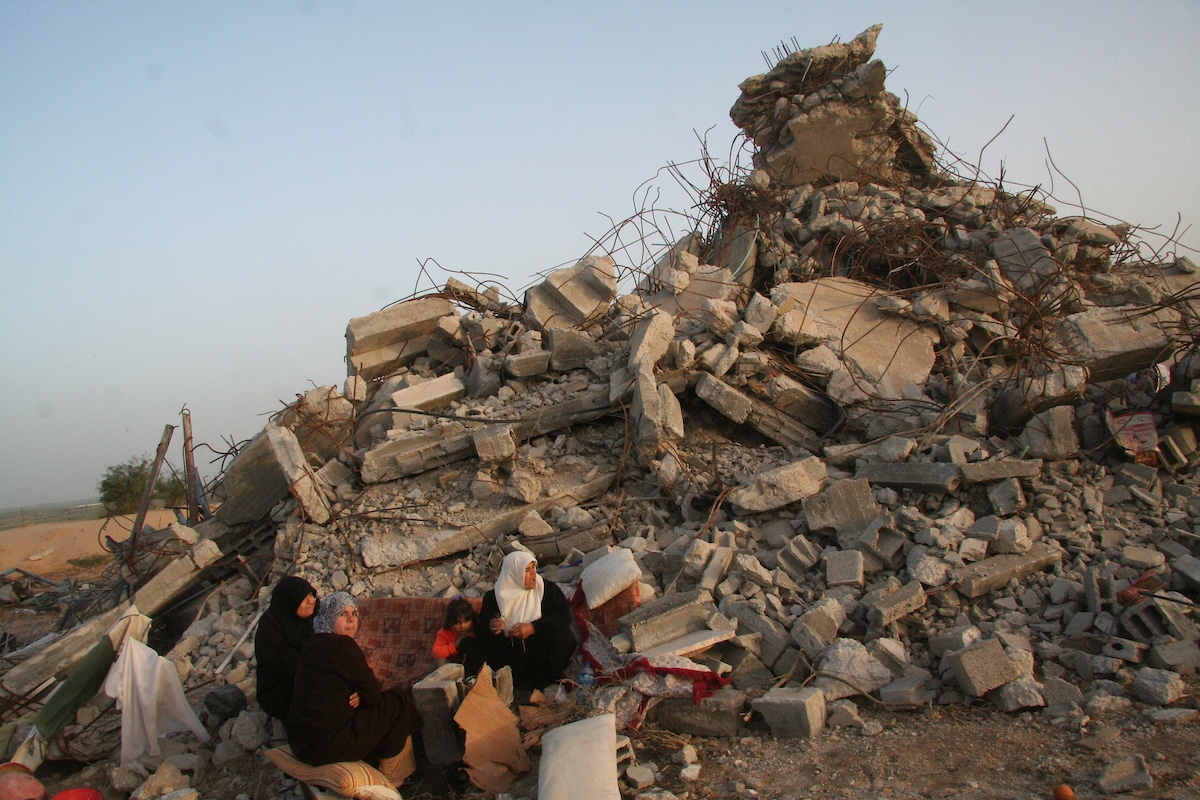
I did not understand I grew up in a concentration camp until I left Gaza
I was around ten years old when I first saw death carried through the street like a neighbor. I was outside our house in Gaza, playing in the street the way children do when they have no parks. I was kicking a crushed soda can like it was a football. The air was soft, the kind of afternoon when the sun is gentle and you forget, for a moment, that you live under occupation. Then I heard it. At first it was only a faint noise, something like a distant drum. Footsteps, many of them, all at once Dust started to rise at the end of the road. I remember hearing voices before I saw faces. A wave of chanting rolled toward me, words I could not understand, broken by the rhythm of marching feet. For a few seconds, I thought it might be a wedding. In Gaza, chanting and loudspeakers can mean joy or grief, and as a child you do not always know which is which. The crowd came closer. Men filled the street, packed shoulder to shoulder, moving with a kind of heavy purpose. In the middle of them, high above the heads, I saw a body wrapped in white. They were not walking like people going to the market. They were marching. The body moved with them, lifted up on arms, swaying slightly with each step. I froze in the middle of the road. Dust stuck to my legs. The air smelled like sand and sweat. Someone near me whispered the word “shaheed.” A martyr. I did not know what that meant. I only knew that a human being was being carried past me and that nobody seemed surprised. Some people joined the march. Others watched from windows. The chants grew louder. I remember feeling very small, as if the crowd would swallow me. Then, suddenly, I ran. I sprinted back home, heart racing, my slippers slapping against the ground. I burst through the door and asked my father what I had seen. He said it was a funeral procession of a martyr, a young man shot by Israeli soldiers because he was throwing stones, because he was protesting, because he wanted freedom and a decent life. My father said it simply, like a weather report. The word “martyr” settled in my mind long before I understood politics or international law. Funeral marches like that became part of the background of my childhood. They passed through our streets often enough that they stopped being strange. You might be doing homework, or buying bread, or visiting a relative, and somewhere in the distance you would hear the chant begin and know that another body was being carried through the city. Death, at some point, stopped being an event and became a pattern. Years later, another scene welded itself into me. By then I was in high school. It was late December 2008, the beginning of one of the major assaults on Gaza. That day I left school...
Preview: ~500 words
Continue reading at Murmel
Read Full Article