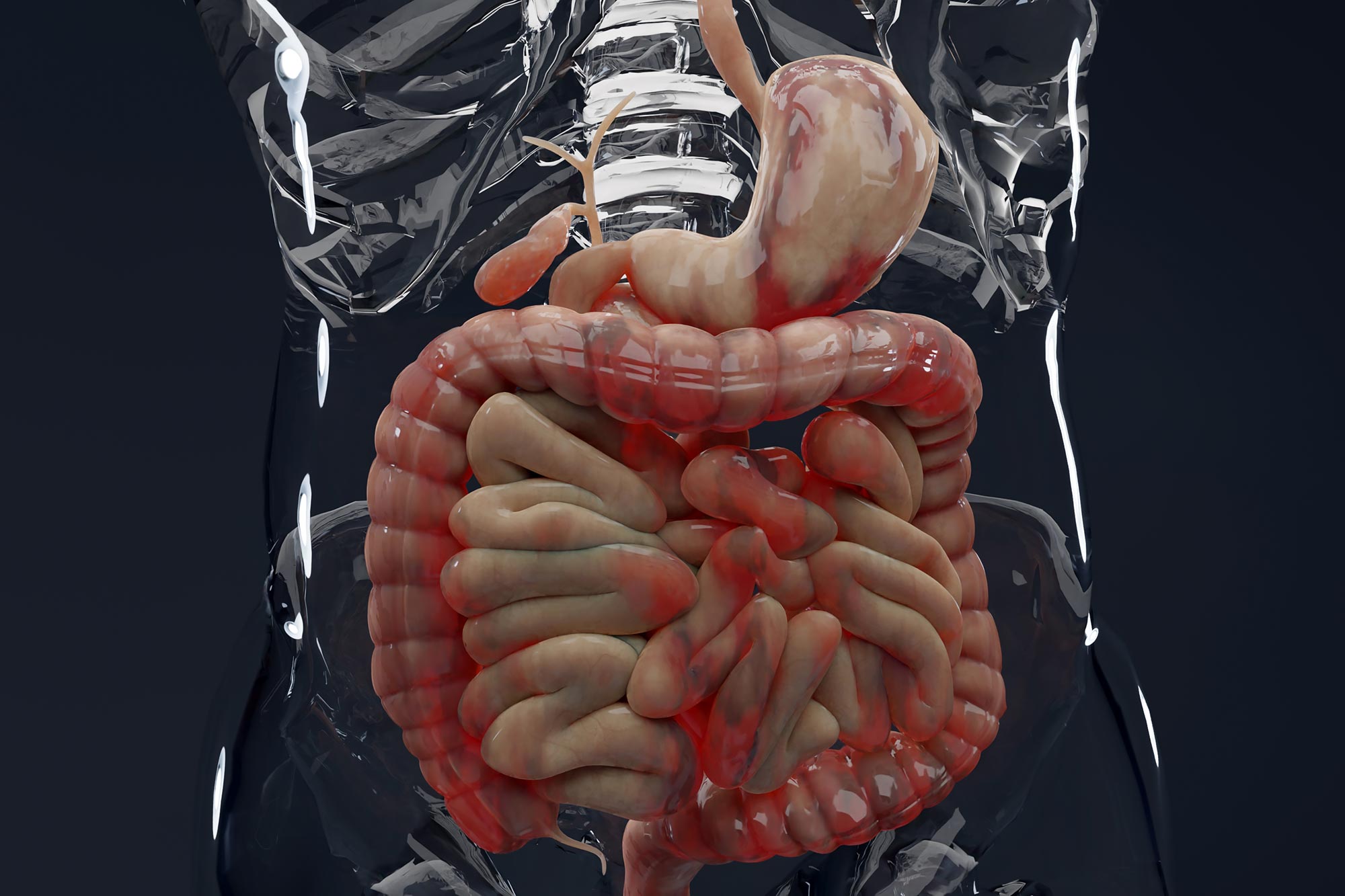
Stanford Study Finds Diet That Eases Crohn’s Symptoms
A national clinical trial suggests a brief, calorie-restrictive fasting-mimicking diet may reduce both symptoms and biological signs of inflammation in mild-to-moderate Crohn’s disease. Credit: Shutterstock A clinical trial found that a brief, calorie-restricted diet improved symptoms and reduced inflammation in people with Crohn’s disease. “What should I eat?” may be the question doctors hear most often from people living with inflammatory bowel disease. Finding a clear answer has been notoriously challenging. IBD is an umbrella term that includes ulcerative colitis and Crohn’s disease, yet there have been only a small number of large studies testing specific dietary approaches for these conditions. A new study from Stanford Medicine researchers and collaborators offers one possible path forward. In a national, randomized controlled clinical trial, investigators found that a short-term, calorie-restrictive eating plan led to significant improvements in both symptoms and biological measures of disease in people with mild-to-moderate Crohn’s disease. The results were recently published in Nature Medicine . Diet studies can be hard to run because people may not accurately report what they eat, and participants typically know which diet they are following, which makes placebo effects difficult to rule out. Even so, the new findings stood out because participants on the intervention showed meaningful drops in objective inflammation markers measured in biologic samples, along with better clinical symptoms. The researchers said the results could help physicians offer more evidence-based dietary guidance to patients seeking relief. “We have been very limited in what kind of dietary information we can provide patients,” said Sidhartha R. Sinha, MD, an assistant professor of gastroenterology and hepatology and the senior author on the paper. “This study will give physicians evidence to support recommendations in an area that patients are very curious about.” A common condition, few treatments Crohn’s disease is a long-lasting illness that affects about a million Americans. It triggers inflammation in the digestive tract and can cause diarrhea, cramping, abdominal pain, and weight loss. For mild Crohn’s, steroids are the only approved therapy, but their use is constrained by significant side effects, especially when taken long term. In the trial, researchers tracked symptoms and biological indicators in people with mild-to-moderate Crohn’s disease who either followed a fasting mimicking diet or continued eating as usual for three straight months. A total of 97 patients enrolled nationwide, including 65 assigned to the fasting mimicking group and 32 to the control group. Those in the fasting mimicking group sharply reduced calories for five consecutive days each month, consuming roughly 700 to 1,100 calories per day, Sinha said. Plant-based meals were provided during the fasting period. For the rest of each month, participants returned to their normal diet. At the end of the study, about two-thirds of the fasting mimicking group experienced improvement in their symptoms. “We were very pleasantly surprised that the majority of patients seemed to benefit from this diet,” Sinha said. “We noticed that even after just one FMD cycle, there were clinical benefits.” In the control group, less than half experienced improvements in...
Preview: ~500 words
Continue reading at Scitechdaily
Read Full Article