America's affordability crisis is putting Aldi in the spotlight
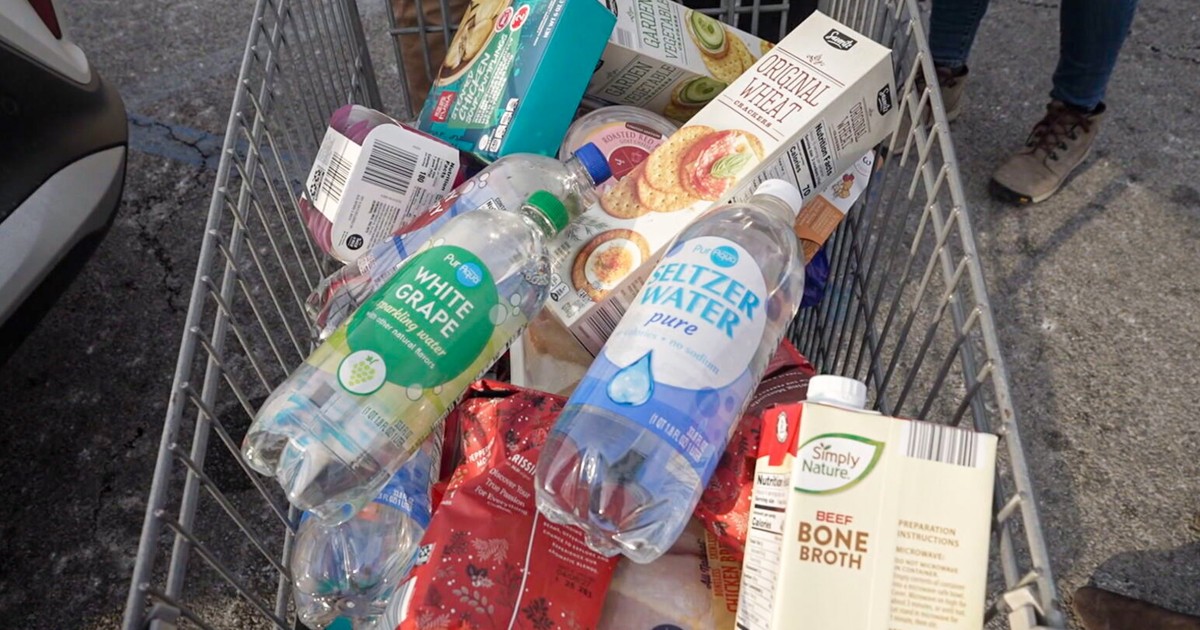
Newlyweds Brittany Zwier and Frank Martinez are starting their life together looking for ways to save money. Newlyweds Brittany Zwier and Frank Martinez are starting their life together looking for ways to save money.Courtesy Brittany Zwier Brittany Zwier and Frank Martinez's grocery cart at Aldi. The chain does not provide traditional supermarket shopping bags.NBC News Michael Torres and his wife, who have a 1-month-old daughter, have been coming to Aldi for the last couple years.NBC News An Aldi grocery store in Williamsport, Penn., on Sept. 7.Paul Weaver / LightRocket via Getty Images file Zwier, 32, and Martinez, 40, have an annual income of more than $100,000 - but are finding their dollars aren’t stretching as far as they used to. The couple now buys groceries exclusively at the no-frills supermarket chain Aldi, where they say the prices are cheaper than at other stores. “We’re just buying what we need right now,” Zwier said outside an Aldi in New Jersey. They have stopped buying beef, which hit record-high prices this year as climate and import issues limited cattle supply. Zwier and Martinez are not alone. For millions of Americans, the cost of living has risen sharply in recent years, fueled by a mix of persistent inflation, high interest rates , soaring energy costs and consumer price increases due to tariffs. More than half of respondents in a recent NBC News poll said they have changed the groceries they buy in order to stay within their budgets. In the same survey, the cost of housing and the cost of food ranked as the top two economic problems respondents said their families were facing. This affordability crisis continues despite recent signs pointing to a resilient economy. The S&P 500 and Dow Jones stock indexes both closed at record highs on Christmas Eve. And newly released data showed that GDP grew 4.3% in the third quarter of the year, much more than economists had been expecting. 'Falling behind' The spoils of a booming stock market are not being distributed evenly. Economists say consumers are separating into two distinct tiers - what they’re calling a K-shaped economy. “The K-shape economy means that some Americans, usually the wealthiest Americans, are doing just fine,” said Heather Long, chief economist at Navy Federal Credit Union. “They’re in the top of the K. Their incomes are rising. Their spending is rising.” But many on the lower end of the “K” are finding their paychecks can’t keep up with rising costs of food, housing, utilities and child care. “They feel like they’re falling behind, or, if on a good day, maybe treading water,” said Long. To keep their expenses in check, Zwier and Martinez have cut back on eating out. “Maybe once every three months now, we’ll go out,” said Martinez. “Used to be at least date night here and there. But that’s something we’re now sacrificing because everything is just too expensive.” Zwier and Martinez are part of a broader pullback in restaurant spending - one that is taking...
Preview: ~500 words
Continue reading at Nbcnews
Read Full Article