A village comes up with its own solution for screen addiction
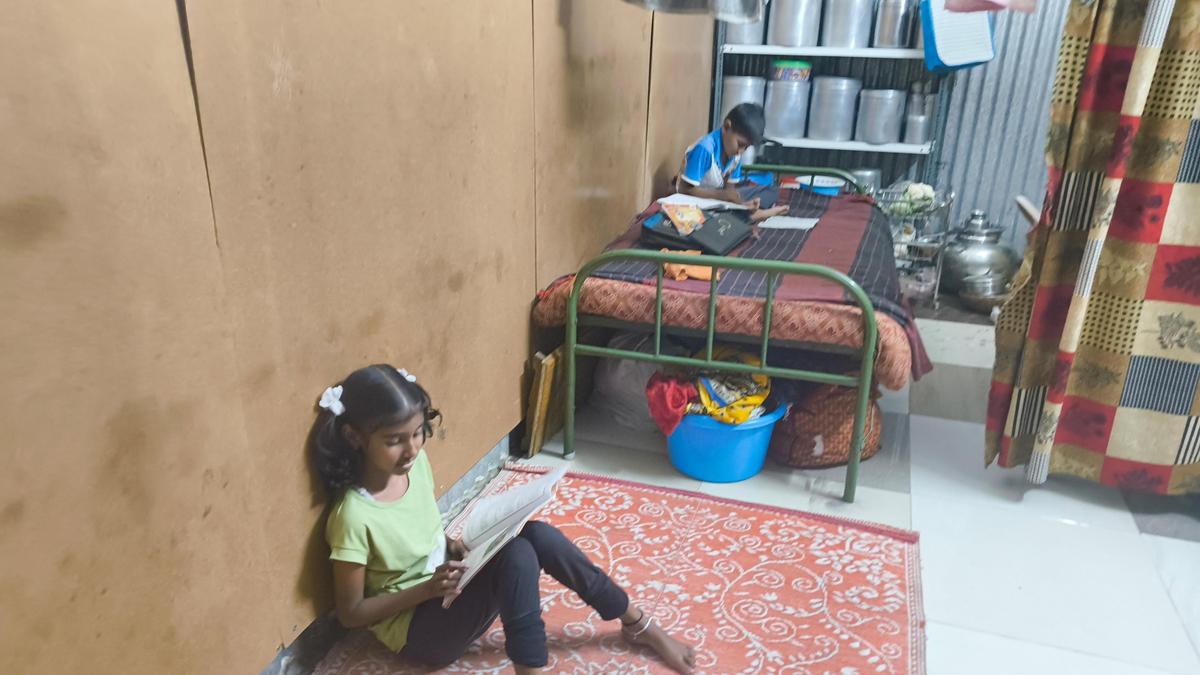
Every evening at 7 p.m., a siren fixed to the top of the Shivaji memorial rings for two minutes in Halaga village in Belagavi district in north Karnataka. Children, playing in the streets, start running home. They are expected to study uninterrupted for the next two hours. Says Shivaji Janappa Santaji, who works in a tailoring shop, with a smile, “We have told them that each mobile is linked to the nearby police station and that police will pick up any child who watches videos or plays games. I think this has had some effect. If you visit our village between 7 p.m. and 9 p.m., you will find that at least 70% of the TVs are switched off and mobiles are not being used.” Halaga village is in the news for announcing a two-hour mandatory study period in the evening for children. The village elders have asked parents to switch off TV and mobile phones during this period. Post-COVID situation Sadanand Basvant Bilgoji, gram panchayat member and former president, said that the gram panchayat was worried about the increasing screen addiction among youngsters. “In 2021, we were able to defeat the COVID virus, but we ended up introducing the virus of screen addiction. We forced them to study using mobile phones and consume all content electronically. That has become a problem we can not tackle easily. Some of our members were inspired by a mobile ban implemented in Dhulegaon in Sangli in Maharashtra. We passed a resolution in the gram panchayat, bought a siren and began the experiment from December 17,’’ he said. The Halaga gram panchayat passed a resolution, bought a siren and began the experiment of switching off TVs and mobile phones between 7 p.m. and 9 p.m. from December 17. | Photo Credit: P.K. BADIGER “Our message is not just for students, but also parents. Let us all talk to each other and build and maintain friendships.” Peeraji Hanumant Balekundri, a construction worker, said he was happy that the village is adopting such a practice as it would help the students. “I could not study beyond primary school as my family could not afford it. Today, we are able to send our children to college, but they are spending a too much time on mobile phones and neglecting studies. We will be happy if this compulsory study period will help them get free seats in government colleges,” he said. However, enforcement of the rule is proving to be not so easy across the board. Elders are finding it easier to discipline children than teenagers. The nay sayers The second and more important factor is the social divisions. Residents of the Basti Oni (where mostly Kannada-speaking Jains live) feel they were not involved in the decision-making process. “Some Marathas in the gram panchayat have taken this decision and announced it in a hurry. Other panchayat members or community leaders were not consulted,’’ says Mahaveer Halagekar, a shopkeeper, while he watches a Kannada serial on TV at home....
Preview: ~500 words
Continue reading at Thehindu
Read Full Article