UNESCO Warns of ‘Serious Decline’ in Freedom and Safety for Journalists
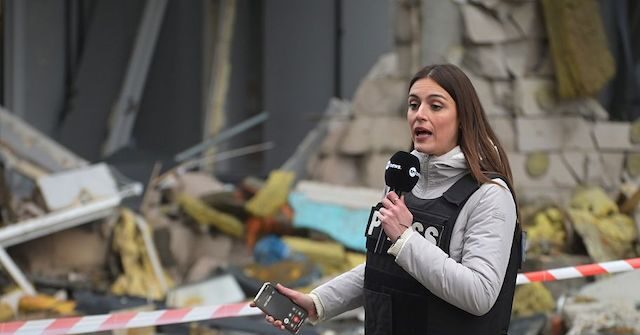
The United Nations Educational, Scientific, and Cultural Organization (UNESCO) released a report on December 12 that found freedom of expression has declined sharply over the past decade. Oleksandr Gusev/Global Images Ukraine via Getty Images One reason for the decline is that journalists feel more unsafe than ever and many of them have chosen to self-censor to avoid being arrested by authoritarian regimes or attacked by violent mobs. The report , entitled World Trends in Freedom of Expression and Media Development Report 2022-2025 , charted a ten-percent decline in freedom of expression around the world since 2012, which UNESCO described as a “level not seen in decades.” The decline was partly attributed to a 63-percent increase in “self-censorship” by journalists. “Today, journalists face a wide and growing range of attacks - physical, digital, legal, and threats which force them to flee their homes,” UNESCO noted. “Since 2018, more than 900 journalists in Latin America and the Caribbean have been forced into exile.” Venezuelan President Nicolas Maduro dances during a commemoration march for the 166th Anniversary of the Battle of Santa InÈs on December 10, 2025 in Caracas, Venezuela. (Jesus Vargas/Getty Images) The report found a “heightened risk” of violence against environmental reporters in particular, plus a massive surge in the online harassment of female journalists. On the other hand, Paris-based UNESCO praised some “positive developments” since 2012, including “the expansion of social media access, growth in collaborative investigative journalism, subscription models, and legal recognition of community media.” Quantifying a concept as broad as “freedom of expression” is not an easy task. UNESCO’s report relied upon the Global Freedom of Expression Index compiled by the Varieties of Democracy Research Project (V-Dem), an international social sciences research group. V-Dem’s index is the metric that has declined by ten percent since 2012. Since it is a global average, the index has been pulled down by “regional powers with large populations” slipping into what V-Dem describes as “autocracy,” with prominent examples including India, Indonesia, and Mexico. The group noted that relatively free regions such as Western Europe and North America are “not immune” to the trend toward “autocratization,” however. Unlike some other analyses of journalistic decline, UNESCO acknowledged that “falling levels of public trust” and “deepening polarization” are significant factors, and they are partly a result of journalism damaging itself by growing untrustworthy and polarized. The rise of artificial intelligence (A.I.) and the fusion of news with entertainment content have also made the public more jaded and skeptical, which naturally makes them less enthusiastic about defending press freedom. UNESCO’s report bemoans the influence of “hate speech” and the lack of “media and information literacy” among news consumers, which illustrates another pitfall of analyzing global free speech trends. “Hate speech” is one of the most subjective terms in our public discourse today and people on different sides of the political spectrum, in countries around the world, have very different ideas of what “information literacy” looks like. It is functionally impossible to crack down on “hate speech”...
Preview: ~500 words
Continue reading at Feedburner
Read Full Article