Little-known underground salt caverns could slow the AI boom and its thirst for power | Fortune
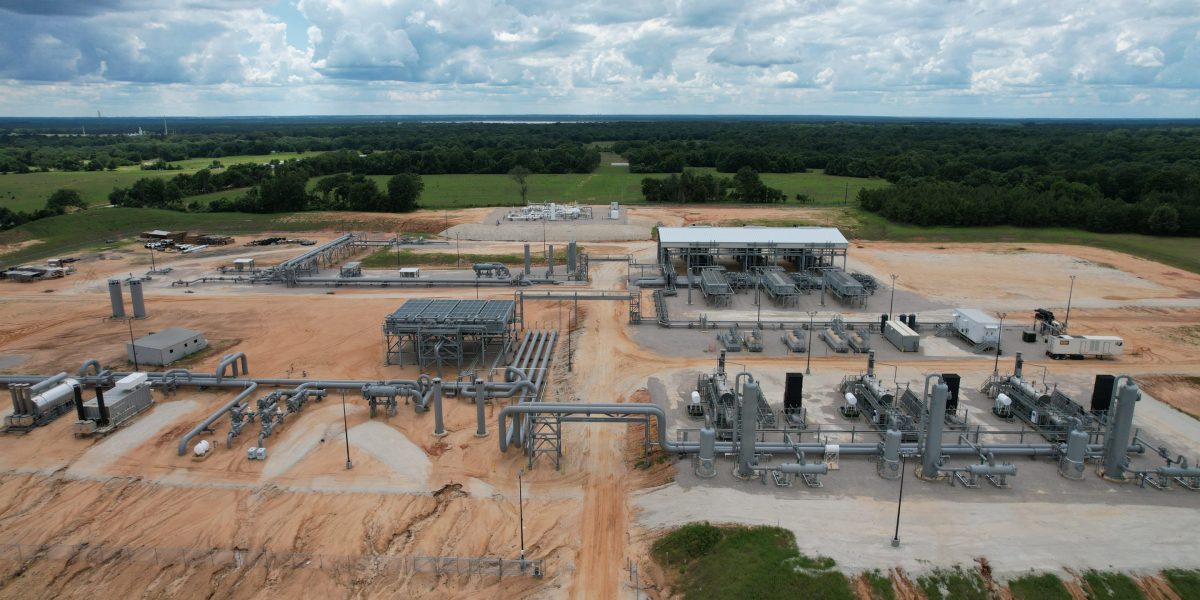
A slow-starting race to build underground salt caverns could hamper the AI data center boom and weaken power delivery for the massive computing facilities that typically require 99.999% reliability. About half as much new gas storage is planned than will be needed in the future, industry sources estimate. Yes, you read that correctly, salt caverns. Manmade reservoirs thousands of feet below the surface are ideal storage structures for the volume of natural gas required to power AI data centers being built by hyperscalers and to feed the rapid growth of gas-exporters along the U.S. Gulf Coast. U.S. natural gas output is projected to spike another 15-25% from 2024 through 2030-and continue rising-because of a doubling of gas exports and a surge in domestic demand from the data center construction wave, ongoing electrification, and manufacturing onshoring. The lack of underground storage now threatens to become a bottleneck in the AI race against China. Without nearby gas storage facilities, customers are reliant on gas pipelines for their supplies. Pipes can fail due to weather events, landslides, and corrosion, leaving facilities without power even if gas is available elsewhere. A wave of construction for new pipelines and power plants is underway-despite a shortage of gas-fired turbines for power generation-but hardly any new gas storage has been built in over a decade. “I don’t want to be a bomb thrower or a Chicken Little, but it just seems like everybody in the data center world is in a great big giant hurry, and they haven’t thought about all the things that can happen on the gas side,” said Edmund Knolle, president of Gulf Coast Midstream Partners, which is developing a major salt cavern gas storage project near Houston slated to come online by the end of 2030. Electricity and gas heating costs already are on the rise because of higher gas demand, and the lack of storage is expected to add to the volatility and rising utility bills going forward, according to energy analysts and developers. “I think we’re going to be way short of storage,” Knolle added. “Once the light bulb turns on for a lot of people, we’re going to be looking at years to create storage.” Slowly speeding up Enbridge (No. 397 on the Fortune Global 500) is North America’s largest pipeline and energy storage company, and it is currently in the process of building more new gas storage than anyone-all from expanding its existing salt caverns in Texas and Louisiana. Caitlin Tessin, vice president for Enbridge’s gas transmission, told Fortune she isn’t losing sleep over storage just yet, but it is a growing issue. “Our pipes are full. There is an incredible demand from a natural gas perspective, and our existing infrastructure and assets are full,” Tessin said. “There’s some concern around supply of storage.” “This [growth] is absolutely unprecedented from a gas storage and demand perspective,” she added. Tessin said natural gas pipelines and storage will prove to be the “backbone” of digital infrastructure AI, even pairing gas with...
Preview: ~500 words
Continue reading at Fortune
Read Full Article