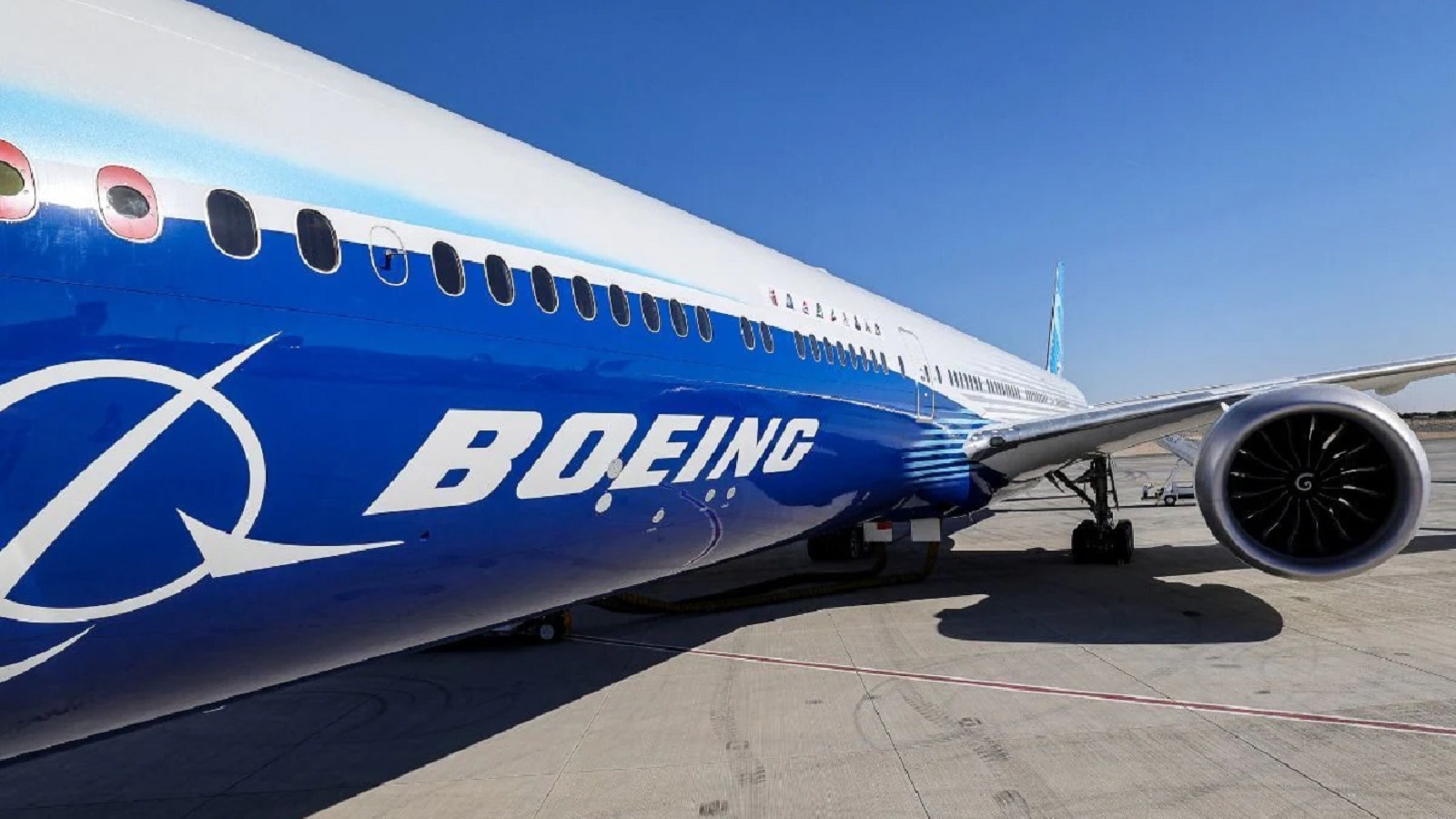
'I Won't Fly On A 737': Ex-Boeing Manager Sounds Alarm, Flags Deep Safety Failures
'I Won't Fly On A 737': Ex-Boeing Manager Sounds Alarm, Flags Deep Safety Failures The Ahmedabad Air India plane crash reignited global safety concerns, with Ed Pierson blaming Boeing's eroded safety culture, rushed production, and regulatory failures Share Your Feedback Choose News18 on Google A deadly aircraft accident on the outskirts of Ahmedabad earlier this year had once again dragged Boeing, the world’s largest plane-maker, into the centre of a global debate on aviation safety. The crash, involving an Air India Boeing 787-8 Dreamliner on June 12, revived long-standing questions about whether relentless delivery pressure inside Boeing factories has steadily eroded the company’s once-vaunted safety culture. For critics, the Ahmedabad plane crash was not an isolated failure but part of a grim continuum that stretches back to the two Boeing 737 MAX disasters in 2018 and 2019. Together, these incidents claimed hundreds of lives and exposed uncomfortable fault lines in how modern commercial aircraft are built, tested and certified. Recommended Stories At the centre of this renewed scrutiny is Ed Pierson, a former senior Boeing manager who spent nearly a decade working on the company’s 737 and 787 programmes and now serves as executive director of the Foundation for Aviation Safety. In an extended conversation with Firstpost, Pierson painted a picture of a production ecosystem where schedule pressure routinely trumped caution, and where critical warnings from the factory floor failed to reach, or were ignored by, senior leadership. Pierson said that Boeing’s public messaging about safety being its “number one priority" often masked a far harsher reality inside its manufacturing facilities. “There was incredible pressure to get the work done," he said, adding, “At Boeing, the saying was always that the schedule is king. On paper, safety and quality come first, but when you’re standing on the factory floor, it doesn’t always feel that way." According to Pierson, the problem was not uniform across the organisation. Some teams, he said, refused to compromise and insisted on doing the job right. Others, operating under weaker leadership, cut corners to keep aircraft moving down the line. That inconsistency, he argued, created the most dangerous conditions of all. The former manager traced many of these issues back to the 787 Dreamliner programme, where he said senior management was not being told “the full truth" about what was happening on the shop floor. Internal audits, he claimed, gradually revealed serious deficiencies in quality control, but by the time the scale of the problem became clear, flawed practices were already deeply embedded. One of the most alarming patterns Pierson describes is what he calls “out-of-sequence work". In theory, each stage of aircraft assembly must be completed before the plane advances to the next production phase. In practice, Pierson said, delays in parts or inspections often meant that unfinished work was simply deferred. “If parts weren’t available or quality checks weren’t complete, the plane still moved forward," he explained, “When the parts finally arrived, workers had to rush, grab their tools and squeeze the work in...
Preview: ~500 words
Continue reading at News18
Read Full Article