2025 in review: an interesting year
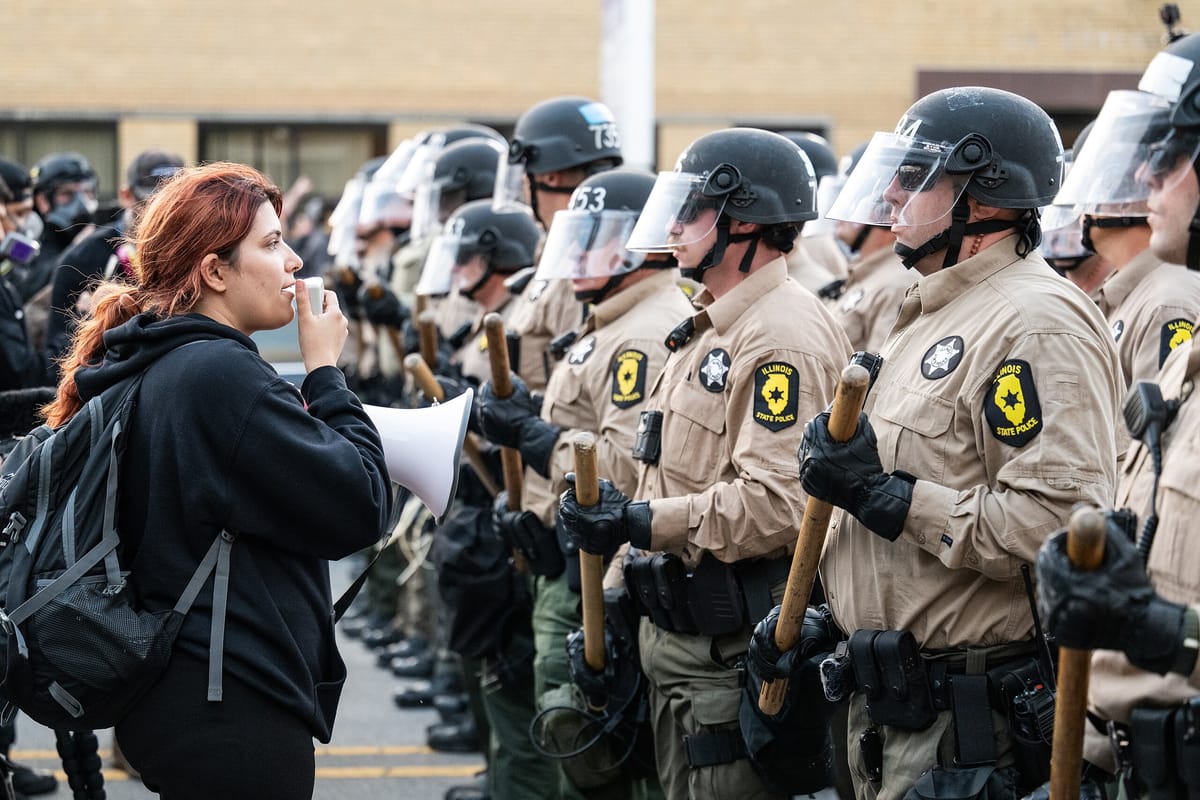
Technology 2025 in review: an interesting year On fascism, technology, and finding the helpers. Photo by Paul Goyette , released under a Creative Commons license “It’s an interesting year,” is a line I’ve used many times over the last twelve months, at conferences and in conversations. It’s a useful euphemism, sometimes delivered with a wry smile: we all know what I mean. But it’s also a cop-out. It lets me hide. If I say it’s been “interesting,” I don’t have to say that it’s been frightening, or exhausting, or quietly disillusioning. I don’t have to admit how often I’ve felt off-balance, or how much energy it takes just to keep moving forward as if this were all normal. We all know this hasn’t just been interesting . It’s been a year of normalized chaos, of permanent emergency masquerading as background noise. Calling it interesting is a way of smoothing the edges. It lets us keep functioning inside systems that have been descending into nightmare territory faster than we might have imagined. It’s also a cop-out because it’s non-confrontational. It’s open to interpretation. If you don’t share the same nightmares, if your limbic system isn’t in the same state of permanent activation that mine is, it gives us both an out. We don't have to talk about it. But that gap, where it emerges, is important: the people who haven’t laid awake at 3am with their heart racing have lived a different year. When I say “interesting” and we share a knowing nod, we’re agreeing to skim over the discomfort and ignore the detail. The detail is important. What's happening is important. Many bloggers publish personal end-of-year reviews. This is mine. But it can’t be a normal one. It’s been an interesting year. January 20 Some of us have spent our entire lives hearing stories of concentration camps, of pogroms, of war, and of political persecution. For some, those stories were close enough that they never felt historical. I will always remember the sound my Oma made, echoing through the walls, as the nightmares took her back to those events each night. My Dad spent the first years of his life in a camp. Many other people carry those memories at least as close. So when an administration came to power that intentionally used the ideas, rhetoric, and increasingly, action of twentieth century European fascism, it set off emotional emergency alarms we’d spent a lifetime being prepared for. When it became clear that some people thought the threats were exaggerated, the alarms intensified: for some communities, this is real enough for uniformed men to be ripping their families apart and seizing them on the streets. This is how fascism creeps into everyday life: through tolerance, through normalization, through people dismissing those who see it coming. Although this post is published in my personal space, I work in a newsroom that investigates abuses of power in the public interest. My job there is to lead technology: the security, infrastructure, and publishing systems...
Preview: ~500 words
Continue reading at Murmel
Read Full Article