This old Pennsylvania coal town could get a reboot from AI
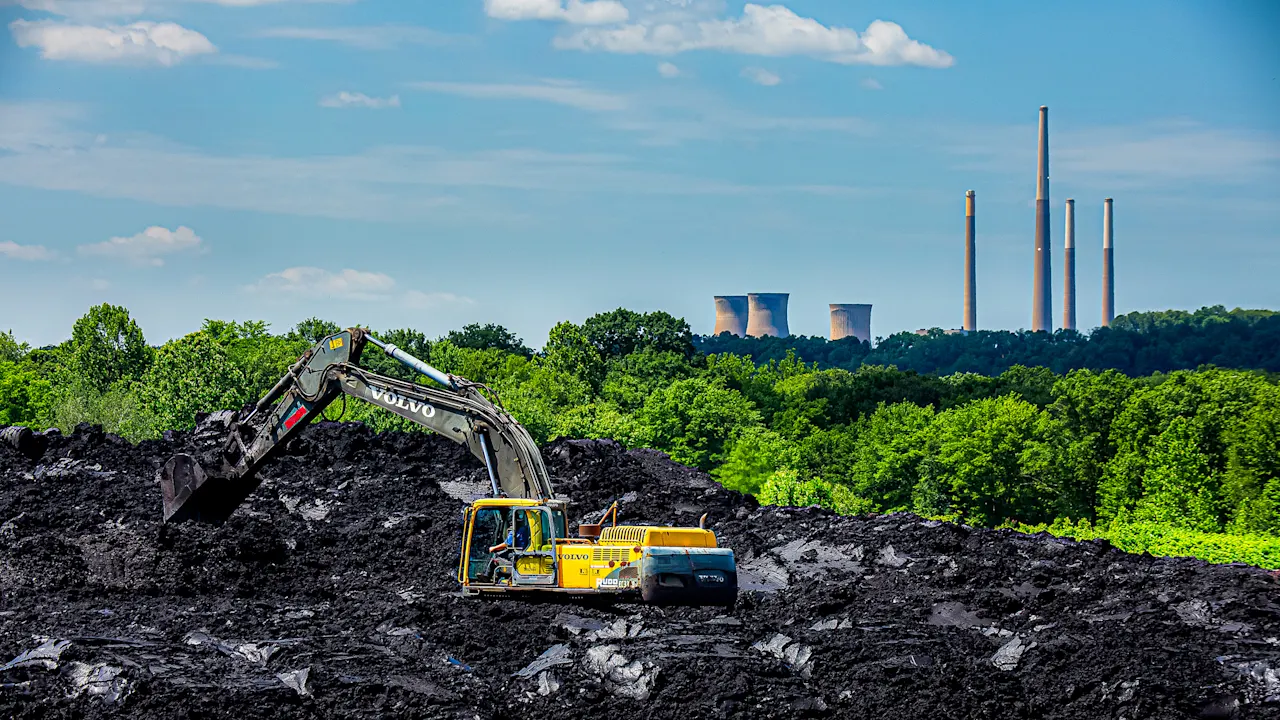
As the September evening inched along, the line of residents waiting their turn for the microphone held steady. Filing down the auditorium aisles at the Indiana University of Pennsylvania, they were armed with questions about a new gas plant slated for their community. Sitting quietly in the audience was John Dudash. For decades, he’s lived in Homer City, a southwestern Pennsylvania town that was once home to the largest coal-fired power plant in the state. The plant, which shares its name with the town, closed nearly three years ago after years of financial distress. Dudash, 89, has lived in the shadow of its smokestacks—said to be the tallest in the country before they were demolished—for much of his life. At its peak, the Homer City power plant employed hundreds of people and could deploy about 2 gigawatts of energy, enough to power 2 million homes . Join our email list to get the stories that mainstream news is overlooking. Sign up for Capital & Main ’s newsletter. It was also a major source of air pollution, spewing sulfur dioxide and mercury, both of which pose serious health risks. Today, Dudash wonders if the pollution might have exacerbated the lung issues that claimed his wife’s life six years ago. The proposed gas plant, expected to be up and running in 2027, will replace the old coal-fired power station, but with more than double the energy output—4.5 gigawatts of energy. The new plant also will have the potential to emit 17.5 million tons of planet-heating greenhouse gasses per year, the equivalent of putting millions of cars on the road. And it will serve a new purpose: Rather than primarily sending electrons to the regional grid to power homes or businesses, the new power plant will exist mainly to feed data centers planned on the site. As the hearing wore on that September night, Dudash, a conservationist, did not stand to speak; instead, he sat quietly, taking mental notes. The next morning, he emailed two staffers at the Pennsylvania Department of Environmental Protection. “First of all, the project will not be stopped,” he began, with resignation. He went on to offer a few caveats—among them, advice about air monitoring. His letter reached the agency alongside more than 550 comments on a key air permit for the proposed plant, a testament to the project’s complexity. After the permit was approved November 18, Dudash’s prediction began to look remarkably accurate—though the Homer City plant still has about a dozen additional permits awaiting approval before the project can be completed, including one that would impact several acres of wetlands and hundreds of feet of a local stream. Though it is among many energy sites popping up to power the artificial intelligence boom across Pennsylvania, the Homer City facility is unique for its size, its advertised economic potential—the owners have promised the project will generate more than 10,000 construction-related jobs—and for its likely environmental impact. It has earned the backing of President Donald Trump, who called it...
Preview: ~500 words
Continue reading at Fastcompany
Read Full Article