53-year-old customs broker wants to ‘Make Trade Boring Again,’ saying you won’t believe how complex cheese is these days
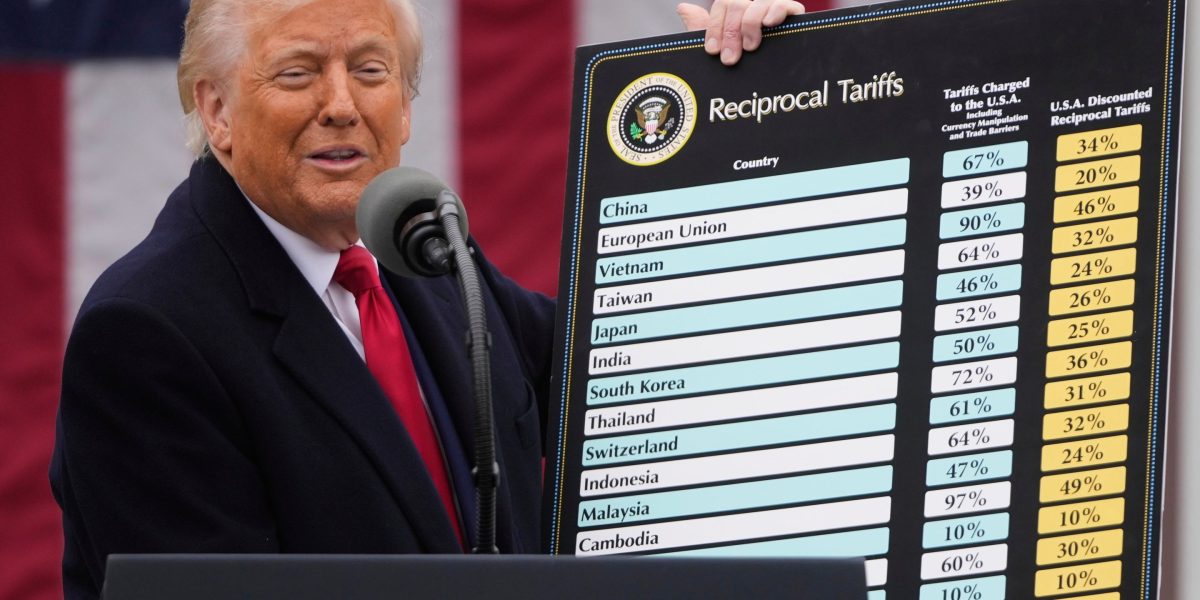
After a half-century immersed in the world of trade, customs broker Amy Magnus thought she’d seen it all, navigating mountains of regulations and all sorts of logistical hurdles to import everything from lumber and bananas to circus animals and Egyptian mummies. Then came 2025. Tariffs were imposed in ways she’d never seen. New rules left her wondering what they really meant. Federal workers, always a reliable backstop, grew more elusive. “2025 has changed the trade system,” says Magnus. “It wasn’t perfect before, but it was a functioning system. Now, it is a lot more chaotic and troubling.” Once hidden cogs in the international trade machine, customs brokers are getting a rare spotlight as President Donald Trump reinvents America’s commercial ties with the world. If this breathless year of tariffs amounts to a trade war, customs brokers are its front lines. Few Americans have been exposed as exhaustively to every fluctuation of trade policy as the customs broker. They were there in the opening days of Trump’s second term, when tariffs were announced on Canada and Mexico, and two days later, when those same levies were paused. They were there through every rule on imports of steel and seafood, on cars and copper, on polysilicon and pharmaceuticals, and on and on. For every tariff, for every carve-out, for every order, brokers have been left to translate policy into reality, line by line and code by code, in a year when it seemed every passing week brought change. “We were used to decades of a certain way of processing, and from January to now, that universe has been turned kind of upside-down on us,” says Al Raffa, a customs broker in Elizabeth, New Jersey, who helps shepherd containerloads of cargo into the U.S. packed to the brim with everything from rounds of brie to boxes of chocolate. Each arrival of products imported to the country requires filings with U.S. Customs and Border Protection and often, other agencies. Importers often turn to brokers to handle the regulatory legwork and, with a spate of new trade rules unleashed by the Trump administration, they’ve seen their demand grow alongside their workloads. Many shipments that entered duty free now are tariffed. Other imports that had minimal levies that might cost a company a few hundred dollars have had their bills balloon to thousands. For Raffa and his crew, the ever-expanding list of tariffs means a given product could be subjected to taxes under multiple separate tariff lines. “That one line item of cheese that previously was just one tariff, now it could be two, three, in some cases five tariff numbers,” says 53-year-old Raffa, who has had jobs in trade since he was a teenager and who has a button emblazoned with “Make Trade Boring Again.” Government regulations have always been a reality for brokers, and the very reason for their existence. When thick tomes of trade rules changed in the past, though, they typically were issued long ahead of their effective dates, with periods for...
Preview: ~500 words
Continue reading at Fortune
Read Full Article