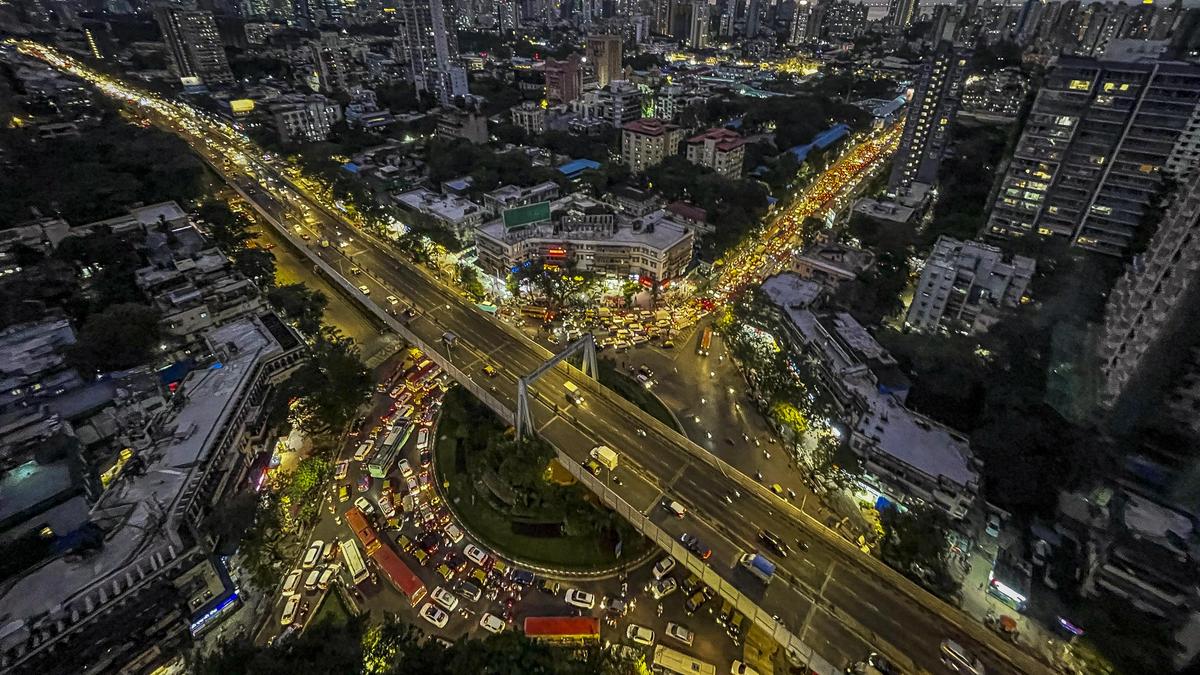
The urban future with cities as dynamic ecosystems
Cities stand at the epicentre of global discourse, driving development, policymaking, science, and technology. Yet, amidst all the planning and progress, we often overlook the most fundamental element: the diverse people who inhabit these urban spaces and make them home. The disconnect between the cities we design, the cities we wish to inhabit, and the cities we live in is the critical missing link in our tale of interconnected realities. The invisible tax of exclusion When individuals migrate, there is an unspoken expectation of assimilation, often summarised as “do what the Romans do”. Language emerges as the primary, non-negotiable standard for integration, necessary for communication and alignment with the city’s linguistic identity. The failure to meet this linguistic standard often results in an invisible tax paid by “new residents” and migrants from different linguistic zones. This marginalisation reflects a systemic tension between the vibrant, multi-lingual reality of major metropolitan hubs and the emotional, cultural and political expectations placed upon those seeking a better life within them. The core issue is about the validation of belonging within the city that a resident calls home. This “linguistic tax” translates directly into economic disadvantage. Navigating a job search, negotiating complex housing agreements, or accessing essential government benefits or health care becomes a bureaucratic maze when official documents and primary communication channels are monolingual. This cultural and linguistic friction serves as an economic roadblock. It often channels migrants into the informal economy, where exploitation is higher and opportunities for formal social mobility are curtailed. Ironically, the city, which relies heavily on the labour, skills and taxes contributed by these new residents, structurally denies them full and equal access to the very opportunities and services they were promised. The failure to integrate them linguistically and culturally is a self-inflicted wound that undermines the long-term social and economic resilience of the city itself. The fundamental flaw in modern urban planning is the assumption of a static, homogenous user base. Urban infrastructure - the actual blueprint of the designed city - is often conceived for the established resident, rendering the new resident invisible. We design ‘smart’ cities, but they are often only smart for those who already speak the right language and possess the right documents. This invisibility is compounded by a lack of culturally diverse governance. When local bodies and planning committees fail to reflect on the cosmopolitan reality of the metropolis, homogeneous perspectives inevitably dominate plans for profoundly heterogeneous spaces. Planning for schools, transport hubs or public parks often misses the mark when planners do not recognise, or account for, the needs of recent, diverse demographic shifts. Designing cities ‘for all’ The urban future we wish to reimagine must be layered. Simply designing better infrastructure will not deliver the desired outcome if the human element of belonging is ignored. Cities are not static blueprints; they are dynamic ecosystems. We need to stop viewing them as spaces defined by fixed, hard boundaries and start seeing them as fluid entities with an infinite capacity to expand, reconfigure...
Preview: ~500 words
Continue reading at Thehindu
Read Full Article