Groans and laughs: How Christmas cracker jokes are tested
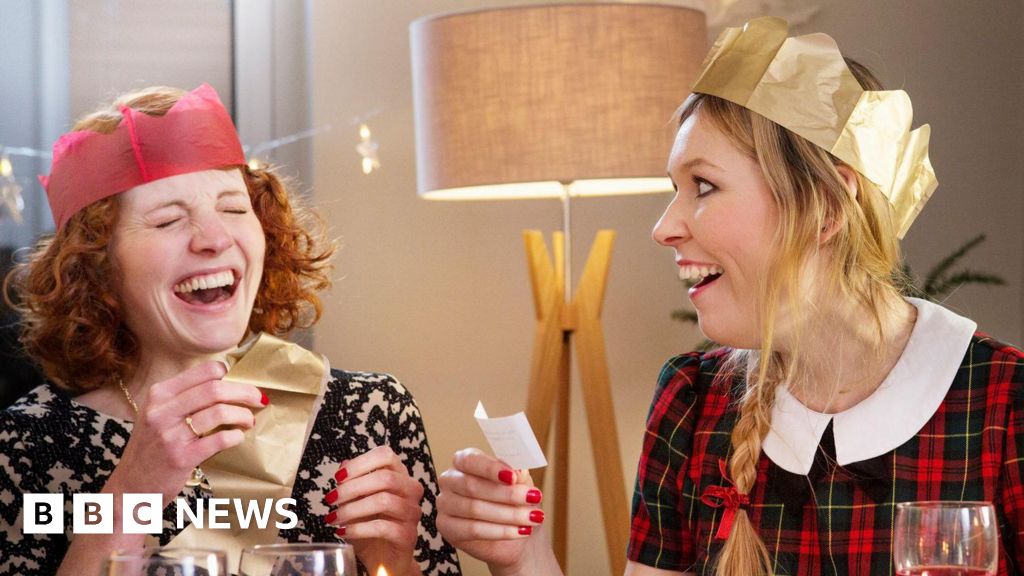
Groans and laughs: How Christmas cracker jokes are tested "How much did Santa's sleigh cost? Nothing, it was on the house." The key to a good Christmas cracker joke is not whether it is funny but whether it can illicit groans around a dinner table, experts say The joke is met by groans that echo through a warehouse in Lambeth, south London. We're at a joke-testing session with Talking Tables, a London company that makes supplies for gatherings. Its repertoire includes Christmas crackers. The firm's founder and chief executive Clare Harris grins, almost apologetically at the gag. But the joke has made the cut and will feature in future crackers. "You measure the joke by the number of groans and the loudness of the groans around the table," Ms Harris says. The key to a good Christmas cracker joke is not the same as a good gag per se. It is all about the context - in this case, the shared laughter of the Christmas dinner table with grandparents, children and potentially the neighbours or friends who've joined this year. "You want the joke to be something that brings the eight-year-old together with the 80-year-old," Ms Harris says. Joke selection takes place on the upper level of the warehouse, where a handful of staff from across the company gather to pitch and assess the latest jokes they have come up with. The jokes being worked through today will be the last few to make it into crackers for 2026. The firm works at least a year in advance of the next batch of crackers. "What do monkeys sing at Christmas?" asks Ms Harris. "Jungle bells, jungle bells." On this occasion, there are more emphatic "noes" than groans, and Ms Harris accepts defeat this time around. It won't be found in a cracker next year. "We have a database," she says. "But each year we make sure we bring our favourites from when we've used them at home." Cracker joke material comes from a variety of sources including the internet, word of mouth and the company's own joke books. Asked whether they've yet succumbed to the lure of artificial intelligence, Ms Harris responds with a firm denial. She says the aim of the session is to work out what their favourites were and which delivered the greatest emotional reaction. "Does it do what we want around the Christmas table?" she asks. Chloe Lloyd, from the sales team, pitches a joke she has heard earlier that day. "What does the moon do when it needs a haircut?," she asks. 'Eclipse it!" That's an instant hit, the group says. Gathering to enjoy shared laughter is not only nothing new, experts say, it is likely to be pre-human. "So when you are laughing with people around the Christmas table you are dropping into what's almost certainly a really ancient mammal play vocalisation," says Prof Sophie Scott, the director of University College London's Institute of Cognitive Neuroscience. Shared laughter, she says, helps make and maintain...
Preview: ~500 words
Continue reading at Co
Read Full Article