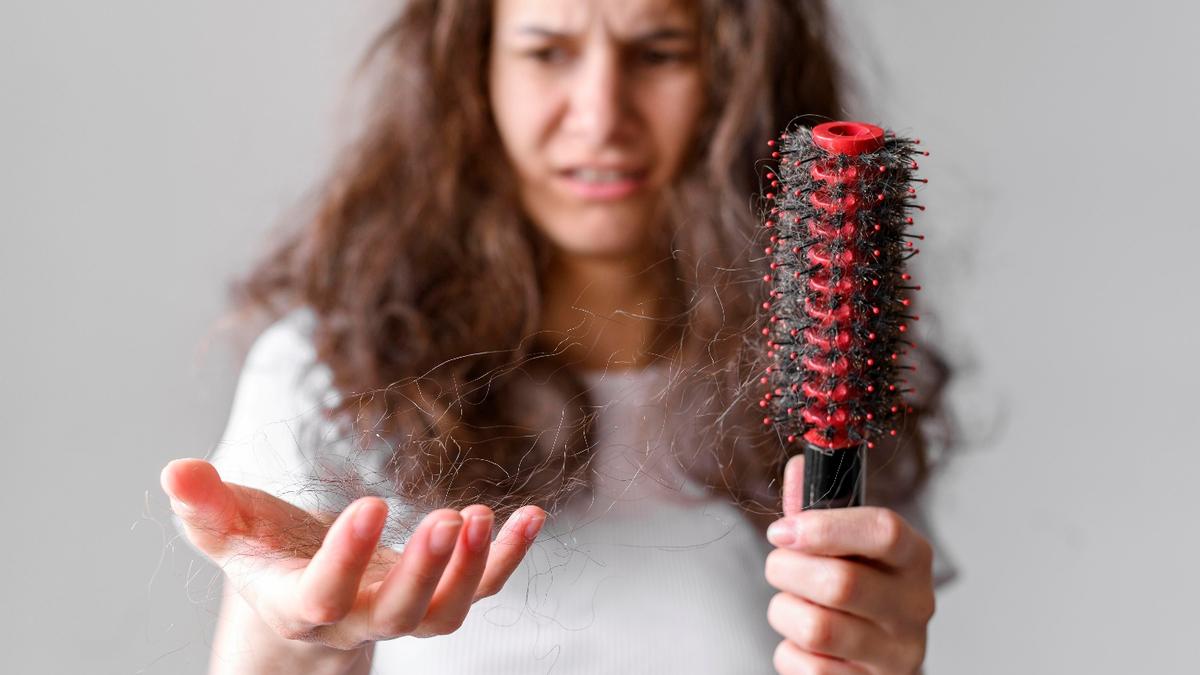
Understanding the Root Causes of Chronic Hair Fall
Hair fall is something almost everyone experiences at some point, but when it turns chronic-meaning it continues for weeks, months, or even years-it’s no longer just a cosmetic issue. It’s a sign that something deeper might be going on inside the body. Understanding the real reasons behind persistent hair fall can be the first step toward finding a lasting solution. Let’s unpack what causes hair to fall out in the long term and why surface-level treatments often don’t work. When Is Hair Fall Considered Chronic? Some amount of hair shedding is completely normal. On average, a person loses about 50 to 100 strands of hair a day. But when the shedding is constant, noticeable, and leads to thinning, bald patches, or receding hairlines, it’s usually classified as chronic hair loss. This is when it becomes important to stop guessing and start investigating the why behind it. Root Cause #1: Nutritional Deficiencies Hair is a non-essential tissue. This means when your body is low on nutrients, it focuses on more critical functions like organ health and immune support-leaving hair health behind. Some of the most common deficiencies linked to hair fall include: ● Iron : Low iron levels (even without full-blown anaemia) are a frequent cause of hair thinning, especially in women. ● Vitamin D : A major player in the hair growth cycle. Deficiency can slow down regrowth. ● B12 & Biotin : These support healthy cell function and keratin production, both crucial for hair strength and shine. ● Zinc & Protein : Essential for tissue repair and follicle strength. Many people with hair fall have normal-looking diets but poor nutrient absorption due to gut issues, which brings us to the next point. Root Cause #2: Gut Imbalance and Digestion Issues Your gut does more than just break down food-it decides what actually gets absorbed into your bloodstream. If you struggle with bloating, acidity, constipation, or irregular digestion, there’s a good chance that key hair nutrients aren’t reaching your follicles in the first place. This connection between gut health and hair health is often missed by standard hair care approaches, which focus only on what’s happening on the scalp. Root Cause #3: Hormonal Imbalances Your hormones control everything from your mood to your metabolism-and yes, your hair too. Chronic hair fall can often be linked to: ● Thyroid disorders (both hypo and hyperthyroidism) ● PCOS or irregular periods ● High testosterone or DHT levels (especially in men) ● Postpartum hormone crashes When hormones are out of balance, they shrink hair follicles and prompt hair to enter a shedding phase, resulting in visible thinning over time. Root Cause #4: Stress and Sleep It may sound minor, but chronic stress has a direct impact on hair growth. It increases cortisol levels, which disturbs hormonal balance and can push hair into the “telogen” or shedding phase. Plus, poor sleep reduces the body’s ability to repair itself overnight-including repairing damaged hair follicles. If you’re waking up tired or struggling to fall asleep, this could...
Preview: ~500 words
Continue reading at Thehindu
Read Full Article