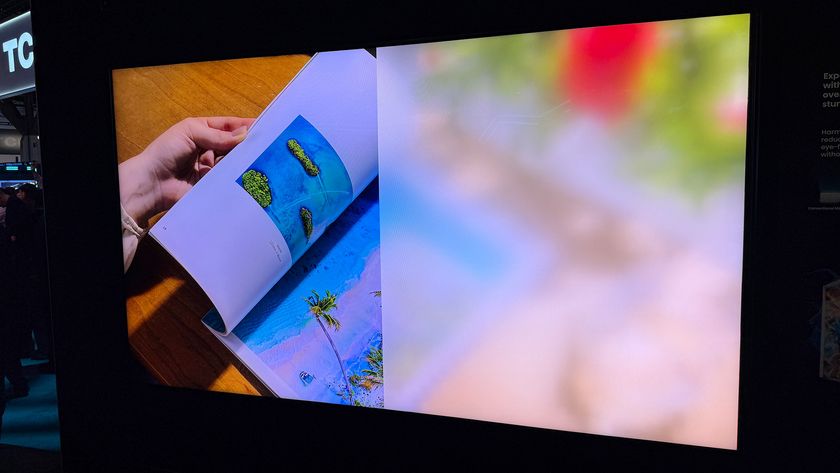
How RGB Mini-LED will transform the premium TV landscape in 2026
How RGB Mini-LED will transform the premium TV landscape in 2026 Features Hisense's 116UX 116-inch RGB mini-LED TV(Image credit: Hisense) Instead of emitting white or blue light, Micro RGB TVs use an array of ‘optical units’ with red, green and blue LEDs placed inside an optical lens(Image credit: samsung) RGB backlighting presents a full-color light source to the pixels in the TV's LCD panel(Image credit: sony) (Image credit: sony) John Archer published The new kid on the tech block has the potential to upend the TV world Even though we’re still in the death throes of 2025 at the time I’m writing these words, there’s already zero doubt about what the biggest TV technology story for 2026 is going to be: RGB mini-LED. At the time of writing no less than five makers of the world’s best TVs ( TCL , Hisense , Samsung , LG and Sony ) have declared that they’re going to be releasing full TV series in 2026 that use variants of RGB mini-LED technology, with LG and Samsung already going so far as to reveal detailed information on those upcoming RGB mini-LED TV ranges even ahead of the January 2026 CES where the technology is really going to make a splash. In fact, a couple of ultra-high-end RGB mini-LED TVs, Hisense’s 116-inch 116UX ( $25,000 / £19,999) and Samsung’s 115-inch MRE115MR95F ($29,999 / £24,999) have already been released into the market. With eye-watering prices and challenging screen sizes like those, however, it’s fair to say that these RGB mini-LED forerunners haven’t exactly helped the technology make its mark with your typical mainstream TV buyer. That all looks set to change fast in 2026, though. Smaller and cheaper The evidence to date suggests that 2026 RGB mini-LED TVs are not only going to be available in much more mainstream screen sizes and at much lower prices than the duo we’ve seen to date, but may actually not even sit at the top of some brands’ 2026 TV ranges. Which could be music to cash-strapped AV fans’ ears if RGB mini-LED can maintain the sort of LED TV picture quality leap at the mainstream level that its two ‘out there’ debutantes have. At which point you may well be starting to wonder what the fuss is all about - and how this new TV technology actually differs from other TV technologies already established in the TV world. So let’s get into that now. RGB mini-LED by another name The first thing to stress is that, as often happens with a new technology adopted by multiple brands, RGB mini-LED is not the technology’s only name. It’s what Hisense called it when it released the first TV to use the technology, but then Samsung and, more recently, LG have both gone with Micro RGB (which, as we’ll explain in a moment, isn’t to be confused with Micro LED). Samsung and LG went with this name to reflect the way the LEDs they’re using in their sets are smaller than...
Preview: ~500 words
Continue reading at Techradar
Read Full Article