Labour is living in a fool’s paradise if it thinks it has plenty of time to turn Britain around | Larry Elliott
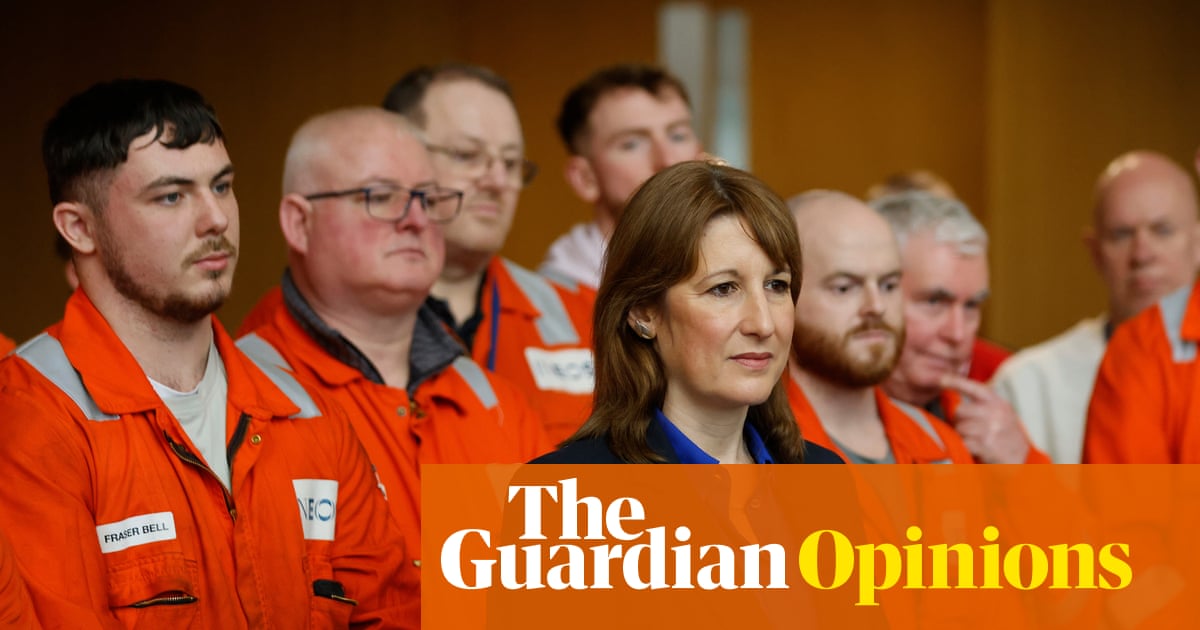
All governments go through bad patches, when nothing seems to go right and voters turn against them. Often they bounce back from the midterm blues and go on to be comfortably re-elected. That said, Labour’s current unpopularity is in a class of its own. It is not just the scale of its problem, with opinion polls suggesting support for the party has almost halved , from 34% to 18% since the 2024 general election. Nor is it simply the speed at which disillusionment with the government has set in, though that too is unprecedented. What’s really remarkable is that the public is not normally this negative about a government unless the economy is in the deepest of slumps. If the UK had double-digit unemployment and house prices were crashing, Labour’s political predicament would be a lot easier to explain. Clearly, 2025 has been a far from vintage year for the economy, but it hasn’t been that bad either. Britain has trundled on in much the same way it has since the global financial crisis of 2008. Economic performance has been mediocre but not disastrous. True, growth has slowed since a strong start to 2025 and unemployment has edged up. At 5.1%, the jobless rate is a full percentage point higher than when Labour came to power in July 2024, but still a long way short of the levels seen in the deep recessions of the early 1980s and early 1990s. What’s more, for those in work, living standards have been rising, because wage growth has outpaced inflation. Governments normally benefit when voters are better off, but this one hasn’t. Past Labour governments have been through much worse years without suffering such a marked drop in public support. In 1947, Clement Attlee’s administration was buffeted by a series of adverse shocks, with fuel shortages during a brutally cold winter followed by a sterling crisis in the summer. Rationing imposed during the second world war was still in force. Rachel Reeves, the chancellor, at Britain’s last ethylene plant, INEOS Grangemouth, Scotland, 17 December 2025.Photograph: Murdo MacLeod/The Guardian In 1975, inflation hit a postwar peak of 25%, eventually leading to a run on the pound and spending cuts imposed on Jim Callaghan’s government by the International Monetary Fund in late 1976 as the price of securing a loan. It took many years for Labour to recover from that humiliation. More recently, in 2008, the near-collapse of the banks during the global financial crisis led to the economy shrinking for more than a year. From peak to trough, the economy shrank by more than 6%. In the past year it has grown by slightly more than 1%. Labour is confident that its political fortunes will improve, as voters start to feel the benefits of rising incomes and lower interest rates. That certainly happened in the past, although the impact has not always been enough to save the party from defeat at the subsequent election. Attlee narrowly won in 1950 and secured Labour’s highest-ever vote...
Preview: ~500 words
Continue reading at Murmel
Read Full Article