During the course of my PhD, I’ve been relearning how to rest
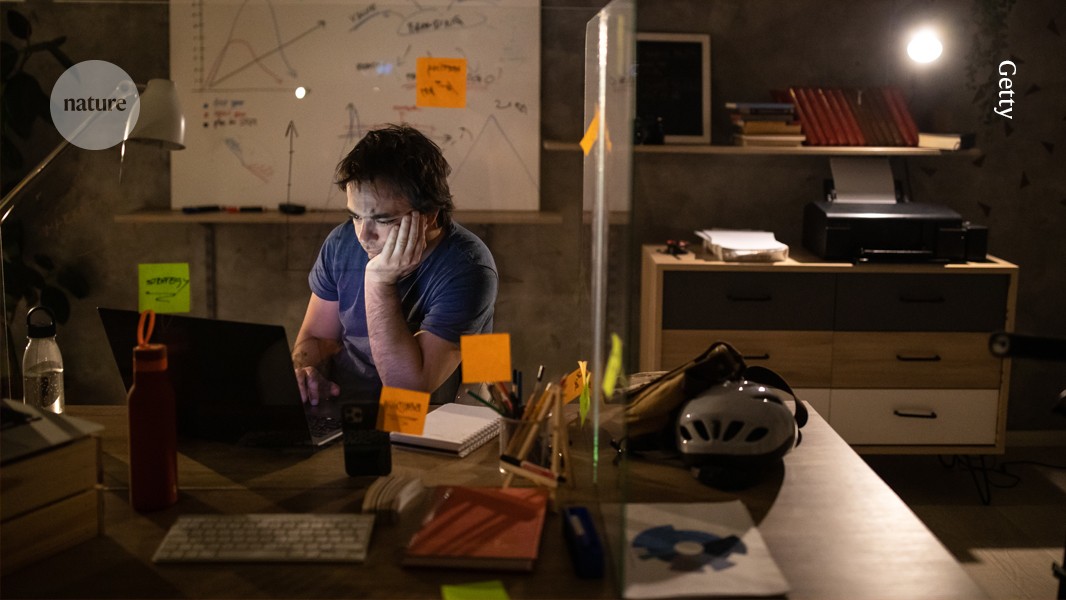
People with PhDs say they spent years during their studies feeling exhausted and lost their work-life balance. Credit: Getty People with PhDs say they spent years during their studies feeling exhausted and lost their work–life balance.Credit: Getty I have just started the fourth year of my PhD. As I reflect on where the time has gone, I realize that my mental health is not where I want it to be. I’ve been fortunate to have a supportive adviser and an incredible laboratory environment at Stanford University in California - that includes some of the most wonderful people I’ve ever worked with. But even with that, there’s a broader academic culture that seeps into the habits of many researchers - one that rewards burnout and discourages rest. Somewhere along the way, I started wearing burnout like a badge of honour. In weekly lab check-ins, I make sure to mention I was in the lab over the weekend - slipping in a quiet signal that I was going above and beyond. I’ve made sure to send e-mails early in the morning or late at night to demonstrate I was working long hours. I’m exhausted. Doesn’t that mean I’m doing something right? It wasn’t until my mother visited me in July that something shifted. She stayed with me for a few days, and although we spent time together - walking outside, catching up over dinner - she noticed I wasn’t really ‘there’ in the moment. I looked pale, she told my partner later. She could see that the PhD journey was taking a toll on me. This list of non-negotiables helped me to defeat PhD-student guilt After she left, I talked to a lab mate about it. I said I was trying to find my equilibrium again. My lab mate said, “You’re taking a step away. I’m so excited for you.” I immediately got defensive. “I’m not slacking,” I said. “I’m not falling behind!” This culture of burnout can be especially difficult for students, including myself, who don’t plan to pursue a career in academia. When academic work is exhausting and your research is meant to receive your all, it leaves little time for other necessities, such as career exploration, hobbies and socializing - all of which are essential for a career and a life beyond the lab. That’s part of why I started PhD Paths a little over a year ago, an extracurricular project for which I’ve interviewed 300 PhD holders who’ve transitioned to careers beyond academia. I share their written interviews by means of a Google Sheets database, website and newsletter. It began as a personal attempt to explore what other career avenues were possible, after realizing that I did not want to stay in academia. PhD Paths has grown into a community of thousands of readers and contributors, challenging the narrative that there’s only one ‘successful’ path for PhD students. Using these interviews, I share the stories of those who’ve gone before - to show the diverse career opportunities that...
Preview: ~500 words
Continue reading at Nature
Read Full Article