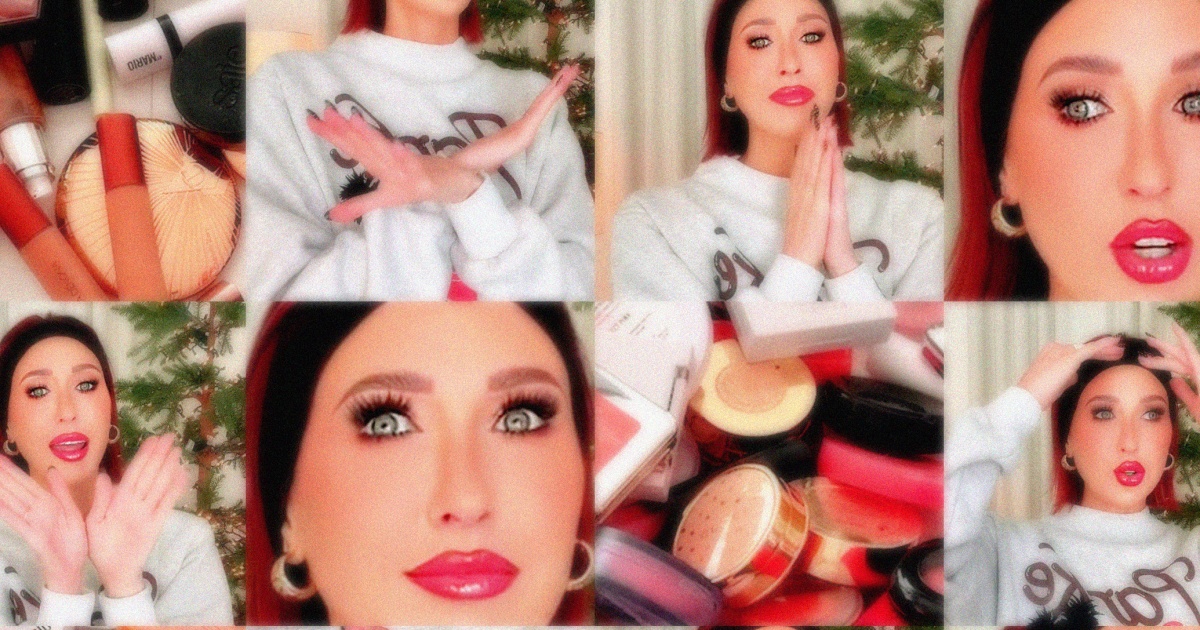
Jaclyn Hill was losing views — but maybe it's overconsumption that's finally out of style
Beauty and fashion influencer Jaclyn Hill posed a question this month to her 1.2 million TikTok followers about something she said may be “a little controversial”: Why was she getting fewer views on her videos? “We are in such a weird place on social media as content creators where I am, like, fighting ... to connect with my followers,” Hill said in the Dec. 3 video . “When you have a million followers but you’re getting 30,000 views, this is just not the way it used to be.” Hill, 35 - whose luxury hauls and makeup tutorials on YouTube, Instagram and TikTok over the past 14 years have helped define influencer commerce culture - candidly asked her “girls” for feedback, all while suggesting she was being “punished and penalized” by the app for not posting constantly. Instead of support, followers slammed Hill for being “out of touch.” “We’re tired of watching influencers rub their wealth in our faces,” a user commented. “The disconnect is crazy,” another wrote. While Hill’s video, which has amassed over 3 million views, took issue with fickle algorithms and shadow banning, it inadvertently sparked a broader conversation about whether the type of influencer content that cemented her career no longer resonates with Americans struggling with an unstable economy and rising grocery and housing costs . “People are over the overconsumption,” said Jessica Maddox, associate professor of media studies at the University of Georgia. Hill did not respond to a request for comment. Product ‘fatigue’ and economic strains The conversation around influencer fatigue has been bubbling online for years as users pivot away from “Get Ready With Me” videos and lavish brand-trip vlogs and even away from “de-influencing,” a trend focused on not buying products or offering cheaper “dupes” to luxury items. “De-influencing” became popular as a way to promote a more affordable way to stay on trend with influencers, but, Maddox said she’s seeing a further fatigue with even the “dupe” route - people online just don’t want to consume anymore. Maddox said brands have perfected the road map to commodify influencers, prompting haul videos and promotional content to become more polished and less like the “girl next door” influencer videos that drew many users in. “I think people miss the silliness,” she said. “I think people are over this need for perfection and constantly peddling products and luxury.” One reason? Nostalgia for an older iteration of the internet. But the larger issue centers on the economy, particularly its negative state in 2025. While influencing has “become a career with skill and with major economic impact,” Maddox said, it’s turning increasingly less relatable to those who consume the content, as evidenced by the dialogue between Hill and her viewers, as people struggle to make ends meet. “This has moved from ‘Oh, I used to be able to relate to these influencers and creators because I thought they were authentic and I thought they were like me,’ but now they’re living these glamorous lifestyles that I personally...
Preview: ~500 words
Continue reading at Nbcnews
Read Full Article