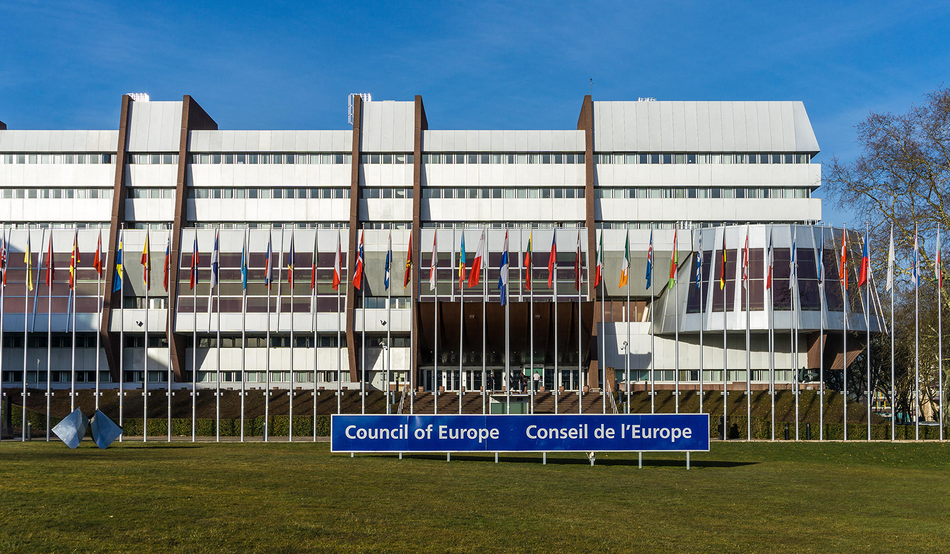
The good, the bad and the ugly of ‘rebalancing’ the ECHR
Let us start with what is good about the unofficial Council of Europe meeting and statement to “rebalance” the European Convention on Human Rights (ECHR). What is good is that it is that the expressed concerns are being dealt with by means of decision and deliberation. Signatory states are not threatening to flounce away from the convention, and nor are they intending to breach its terms. If human rights law is to be reviewed and perhaps modified, this is the mature way to do it. And no human rights code-and indeed no set of laws-should be immune from being revisited. One only has to look at the Bill of Rights in the United States to see laws which are practically unalterable and which, at least to those in favour of gun control, should be practically altered. No law made on date [x] is necessarily right for date [y]. Legislators should not bind their successors. The ECHR is often described as “a living instrument”. The rights and protections that it contains change and adapt over time. And this is right and proper. Such change should not always be about expansion, but also-from time to time-restriction. If you want the convention to be “a living instrument”, you have to accept in principle that the signatories can revisit the law themselves. But admitting that the ECHR can be changed by political will does not mean that any political proposal is a good one. In May, nine convention signatories wrote a carefully framed letter expressing that they were concerned with how the convention deals with migration in general and asylum applications in particular. One should always be on the guard against those who insist “human rights have now gone too far”. It is often a cant phrase-like “legitimate concerns”-that masks disingenuous intentions. Those who protest that human rights have gone too far often do not like human rights in the first place. Of course, the founders of the convention were not unaware of mass population shifts and the threat of extreme politics. The mass population movements in Europe during and at the end of the Second World War were profound. And the convention was put together by many countries with actual experience of rule or occupation by fascists and national socialists. Migration and radicalism were very much the experience of those who wrote and ratified the convention. The “nine” say that articles of the convention are sometimes wrongly relied upon by those opposing deportation. They say also that courts are interpreting these rights too widely, especially in the cases of criminals facing deportation. But even taking this supposed problem at its highest, it is not clear what can be done. The suggestion is not, it seems, to amend the wording of the convention. There appears to be no proposed amendment to any article of the ECHR. Nonetheless, the governments that face losing cases on ECHR points want to rig the legal system so that they do not lose those cases. They want, for example,...
Preview: ~500 words
Continue reading at Murmel
Read Full Article