How does winter weather affect birdsong?
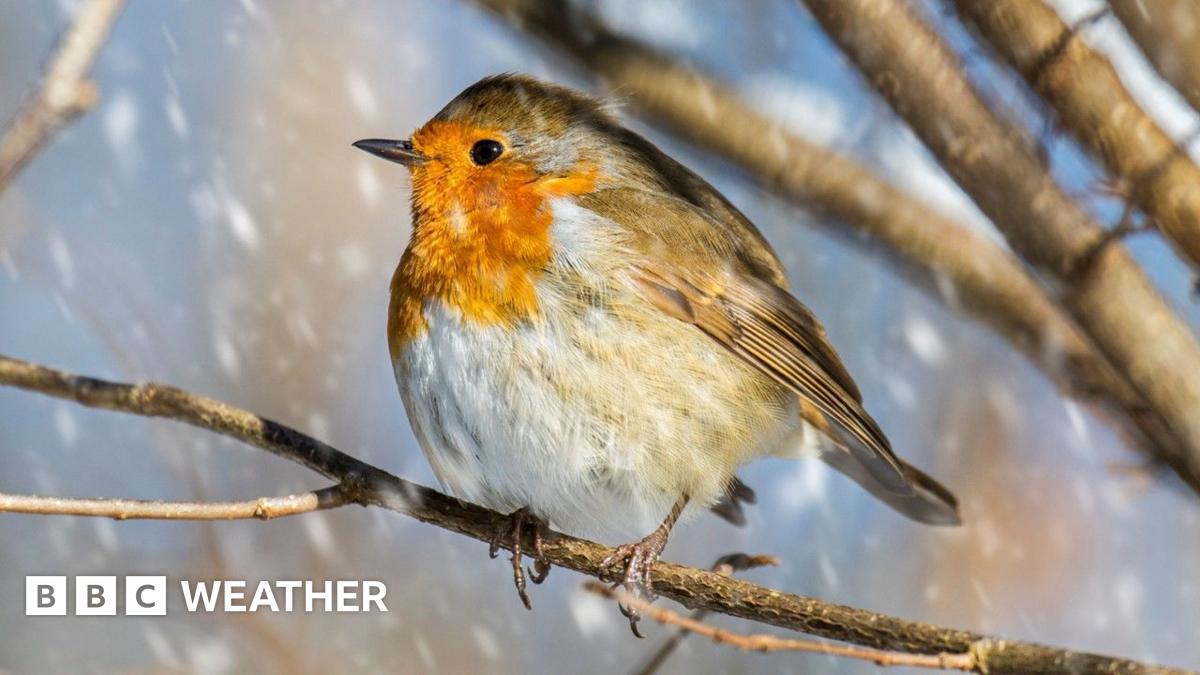
How does winter weather affect birdsong? Published Few things mark the winter season a much as frosty mornings, a sprinkling of snow and the robin, which comes into its own when the weather turns cold. Image caption,Wrens pack a real punch singing-wise for their tiny size and can be heard all year round Image caption,Waxwings are among the birds that fly into the UK in the winter looking for food It is one of the UK's most-loved garden birds and along with species like wrens can still be heard singing, external long after some other species go quiet. While other birds focus on looking for food and staying warm in the winter the wren and robin's determination to defend their territory means that they sing all year round warning to others to stay away. Blackbirds and thrushes can also be heard regardless of the chill in the air. Wrens pack a real punch singing-wise for their tiny size and can be heard all year round Many birds fly south to warmer climates in the winter and some fly in to the UK looking for winter food, external . But those that remain spend their time competing for the scarce resources and trying to survive in the lower temperatures. Singing for a mate The robin's song changes with the seasons. In the winter it is softer and less dynamic. But in the spring and summer its song is more lively and intense. This coincides with when it starts looking for a mate which is the reason why most other birds start singing again. The dawn chorus can be heard from late January, with more and more birds joining in, external as the weather gets warmer. The best time to hear it is around 30 minutes before and after sunrise, when birds are most active. Blackbirds and robins are usually the first to sing, external , followed by wrens, thrushes, and warblers as the light increases. You can find the sunrise and sunset times for where you live on the BBC Weather website or app. Waxwings are among the birds that fly into the UK in the winter looking for food What impact does the weather have? Still, dry mornings are the best to hear the chorus in all its glory. On a calm, still morning their song will travel further. Even during a quiet, steady drizzle, most species will sing much as usual. However, Daniel Johnson, from the British Trust for Ornithology, said: "Birds tend to avoid singing in bad weather conditions. This includes windy, rainy or cloudy conditions as during these times they're usually low down conserving energy." So if you notice the birds have fallen silent, it can indicate that bad weather is on the way. Conversely a study carried out by researchers in the USA showed that exposure to high temperatures can also reduce song production, external . For most species once they've mated and their fledglings have left they sing less and focus on surviving the cold...
Preview: ~500 words
Continue reading at Co
Read Full Article