The 'Sell America' market returns after DOJ's criminal probe of the Fed spooks investors
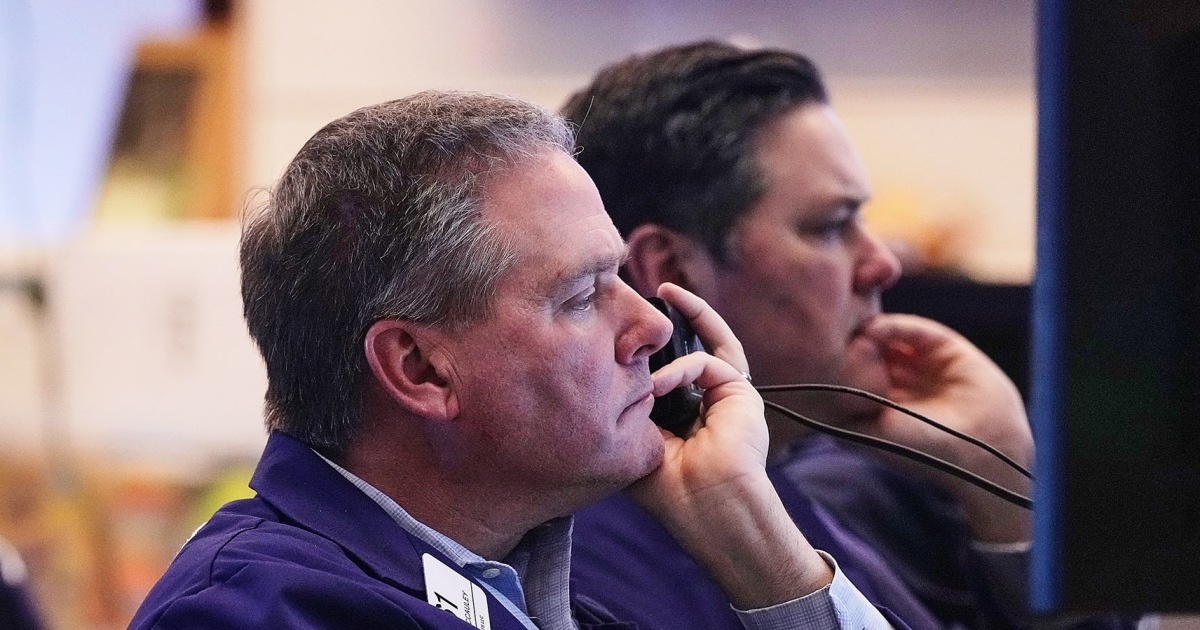
When investors around the world woke up Monday to news that the U.S. Justice Department had subpoenaed the Federal Reserve in a criminal investigation, it rekindled fears about whether America was still the gold standard for investment. The result was a return of what is dubbed a “Sell America” market, which first emerged last April after President Donald Trump's surprise tariff announcement. Fed Chair Jerome Powell said the criminal probe was an intimidation tactic by the Trump administration because the president was frustrated by the central bank's independent decisions on interest rates and its refusal to comply with Trump’s demands for ultra-low rates. Powell’s statement immediately set off alarms for investors and trading desks around the globe. The S&P 500 and Nasdaq opened slightly lower before trading slightly higher by the afternoon. The yields on U.S. government bonds soared to the highest levels since September 2025, a sign of worry in the markets that a less independent Federal Reserve might not be able to control inflation. Yields for the 10-year Treasury, which mortgage rates closely track, rose above 4.2%, and the 30-year Treasury yield, which is often viewed as a barometer of future inflation, rose above 4.8%. Those declines largely faded by mid-afternoon though. The U.S. dollar also weakened against every major currency. As of 2:30 p.m. ET, the ICE U.S. dollar index, which measures the dollar’s performance against a basket of foreign currencies such as the euro, pound sterling and yen, was down 0.3%, nearly to its lowest level since early December. A decline in the dollar directly makes it more expensive for U.S. companies to import products from overseas and for consumers to travel or study abroad. It also lowers the value of American exports, because products that are paid for in foreign currencies are worth less in dollars than they had been just a few days ago. The rise in interest rates and the drop in the dollar also run directly counter to the administration’s recent affordability push. "The Federal Reserve’s independence and the public’s perception of that independence are critical for economic performance, including achieving the goals Congress has set for the Federal Reserve of stable prices, maximum employment, and moderate long-term interest rates," former Fed chairs Ben Bernanke, Janet Yellen and Alan Greenspan said in a statement alongside several former Treasury secretaries. “Powell has explicitly characterised this as an attack on the Fed’s independence from the Trump administration,” strategists at ING wrote in a client note Monday. “The combined drop in the dollar, equities and Treasuries was a reminiscence of the ‘sell America’ days of last spring,” they said. In April 2025, stocks fell precipitously and Treasury yields and precious metals soared after Trump’s “Liberation Day” tariff rollout. Precious metals soared again Monday. The price of gold rose 2.4% and the price of silver rose more than 7.4% by mid-afternoon. After that episode last spring, the credit rating agency Moody’s downgraded the United States’ credit rating, but said that it maintained a “stable outlook” for...
Preview: ~500 words
Continue reading at Nbcnews
Read Full Article