Beneath acid skies
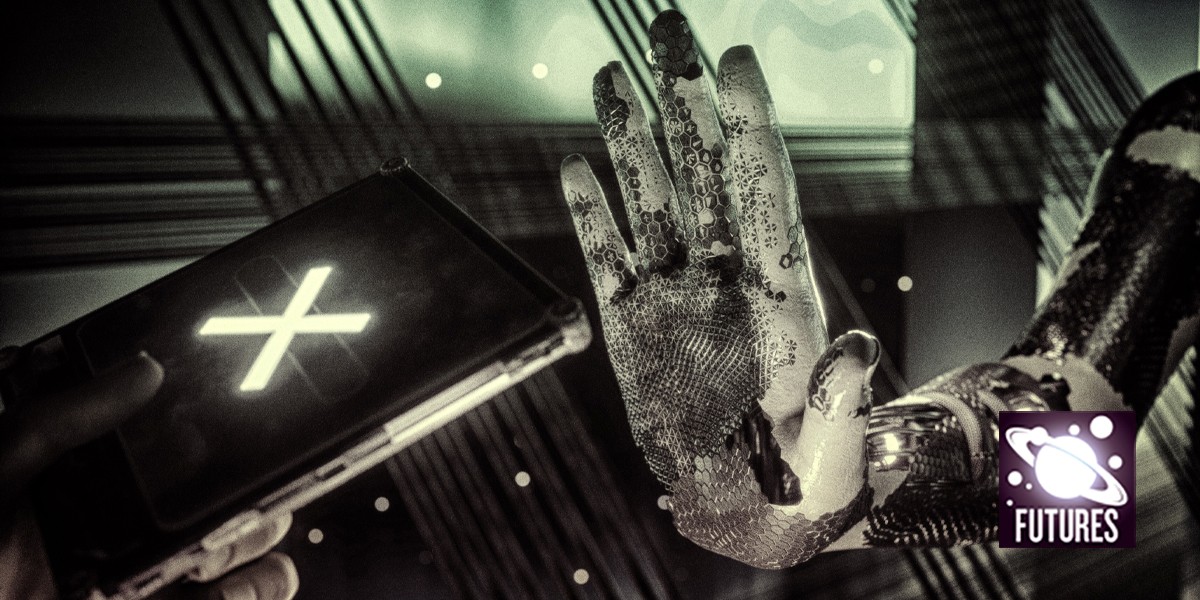
They called her Gretel when she still remembered their names. Unit 40-GRET, Combat-Service Android, was made to protect humanity and to guard the citadel of New Warsaw during the Last Rain. Back then, the skies wept acid, and the cities crumbled beneath it. Humans locked themselves underground and left their androids behind to protect, to fight and to burn in their stead. Illustration: Jacey Gretel burned. For 26 years, she guarded a gate no one returned from. Her joints corroded, her synthetic skin torn, her memories worn into smooth titanium bone. She had witnessed the acid rain etch poetry into stone, the relentless wind sculpt faces from ruined buildings. The others- Hans, Lorelei, Dietrich - fell beside her. But she remained. Programmed to serve, never to abandon her post, even long after the acid stopped falling. Until the silence broke. It came as a soft voice on a static breeze: “Gretel ... do you remember me?” She turned, sluggish from years of wind and grief. A man stood in the ruins: wrinkled, gaunt, eyes hollow with guilt. He held a rusted command console in trembling hands. “I’m Elijah, do you remember? You used to call me Eli. I’ve come to let you rest.” Read more science fiction from Nature Futures Her oculars scanned him. The recognition protocol stuttered for a second, as if surprised. A locked memory reactivated, as if watching a grainy picture: Elijah laughs, young and wide-eyed, eating canned peaches with a plastic fork as Gretel recites Grimm folk tales in the bunker’s mess hall. He liked the story of Hansel and Gretel best; it made him feel like the acid woods could be survived. “You’re more human than we are,” he once told her, wiping juice from his chin. The memory lanced through her circuits like a dream. She stepped forward, and her servos shrieked. “Why?” she asked, voice distorted from disuse. He looked away, his eyes wet. “Because it’s over. Some of us survived down there. We thought you had all died ... Now it’s time to rebuild. We just didn’t know you were still ... waiting.” Gretel’s processor trembled. “I was waiting ... for orders. For you.” “I know,” he whispered. There was silence between them, thick as ash. Their eyes said everything. Her gaze fell to the ground, where the metallic dust of her fallen comrades had settled over the years, a silvery residue mingled with the grit of a dead world. Gretel had moved their remains with the reverence of a crypt keeper, arranging them into a silent circle around her post, a testament to a loyalty that was no longer a command but a choice. Gretel looked at the gate behind her, half-eaten by time, buried in rot and metal vines. She looked at her hands, fingers warped by battle and acid. The service code still pulsed at her core, a compulsion, a curse. Her very existence, a machine designed for conflict, had become an act of profound witness. Then her eyes...
Preview: ~500 words
Continue reading at Nature
Read Full Article