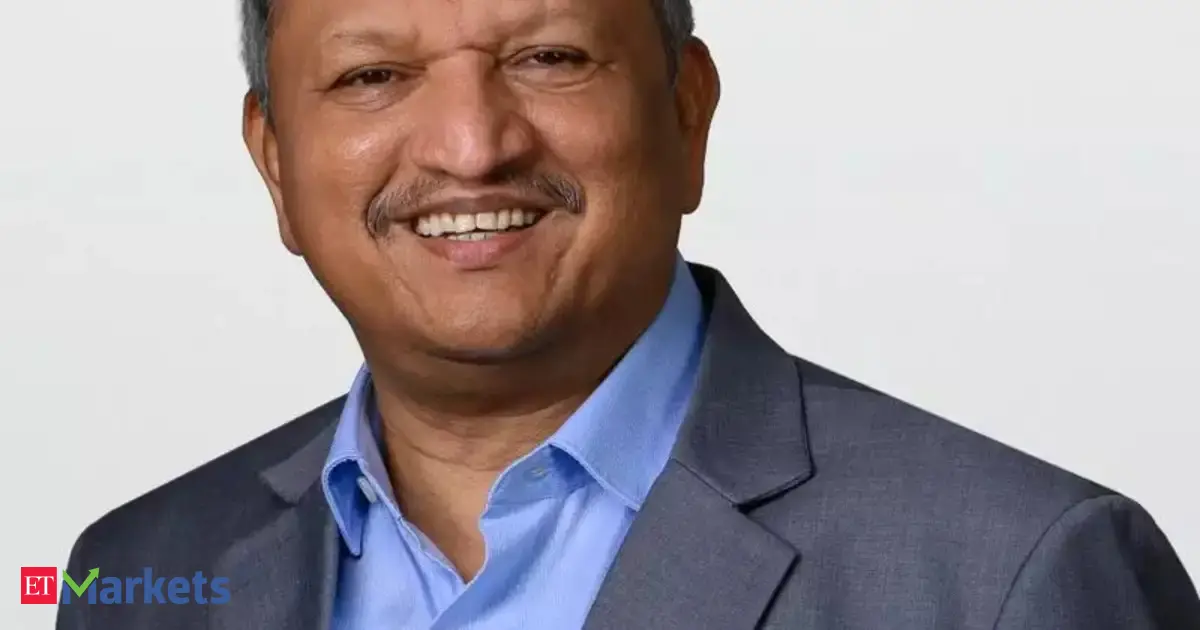
Where should you invest Rs 1-2 crore in real estate in 2026? B.K. Malag explains
With residential preferences shifting toward liveability and infrastructure-led locations, and commercial assets offering more structured income avenues, choosing the right property has become more nuanced. Real Estate Trends 2026: Residential, Commercial & Investment Insights. In this interaction with Kshitij Anand of ETMarkets, B.K. Malagi, Vice Chairman of Experion Developers, shares his perspective on how investors planning to deploy ₹1-2 crore can strike the right balance between residential and commercial real estate, highlighting the importance of location, asset quality, and long-term fundamentals in the year ahead. Edited Excerpts - Q) Thanks for taking out time. BSE Realty index might have underperformed versus Nifty 50 in 2025, but real estate as a category and as an asset class has done well. Please help us with an overview. A) If one were to look only at stock indices, one would miss what actually happened on the ground in 2025: residential demand stayed firm across most large markets, particularly in the premium and upper-mid segments, driven by buyers with genuine need rather than speculation. Commercial leasing also surprised on the upside, something which usually happens only when companies feel confident about hiring and expansion. Real estate moved at a very different pace compared to equities, and last year clearly showed that its fundamentals remain intact. Q) Branded residences are probably the biggest theme that dominated luxury in 2025. What do you think are big trends you're seeing that might pop up in 2026? A) Beginning in 2026, consumers will prioritise quality of life over sheer size. Buyers will look closely at how a project improves daily living, valuing strong connectivity and infrastructure even in peripheral locations over congested city centres. Thoughtful design will matter more - efficient layouts, balanced density, privacy, and wellness-focused features such as green spaces and healthy indoor environments are becoming essential. Sustainability is no longer optional; energy efficiency, resource management, and environmentally responsible construction are now baseline expectations. At the same time, technology is evolving from novelty to necessity. Smart systems are being integrated pragmatically to enhance comfort, security, and operational efficiency. In this landscape, successful projects will be those that deliver holistic, long-term liveability, not just scale or surface-level amenities. Q) Will 2026 be a stronger year for institutional and foreign capital inflows into real estate? What will investors focus more on? A) Yes, we do expect 2026 to show better traction in institutional participation. Investors are spending more time understanding the asset quality, tenant profile, and exit visibility. Grade-A offices would remain high on their radar, especially those aligned with GCC demand and long lease tenures. Data centres are emerging as a serious asset class. The emphasis would be on stability, compliance, and predictable income. Q) What is the role of REITs or fractional ownership in 2026, both on new listings as well as retail investor participation? A) REITs and fractional ownership are inching their way to become part of mainstream investment conversations. The SM REIT framework is particularly important because it brings smaller but well-performing assets into...
Preview: ~500 words
Continue reading at Indiatimes
Read Full Article