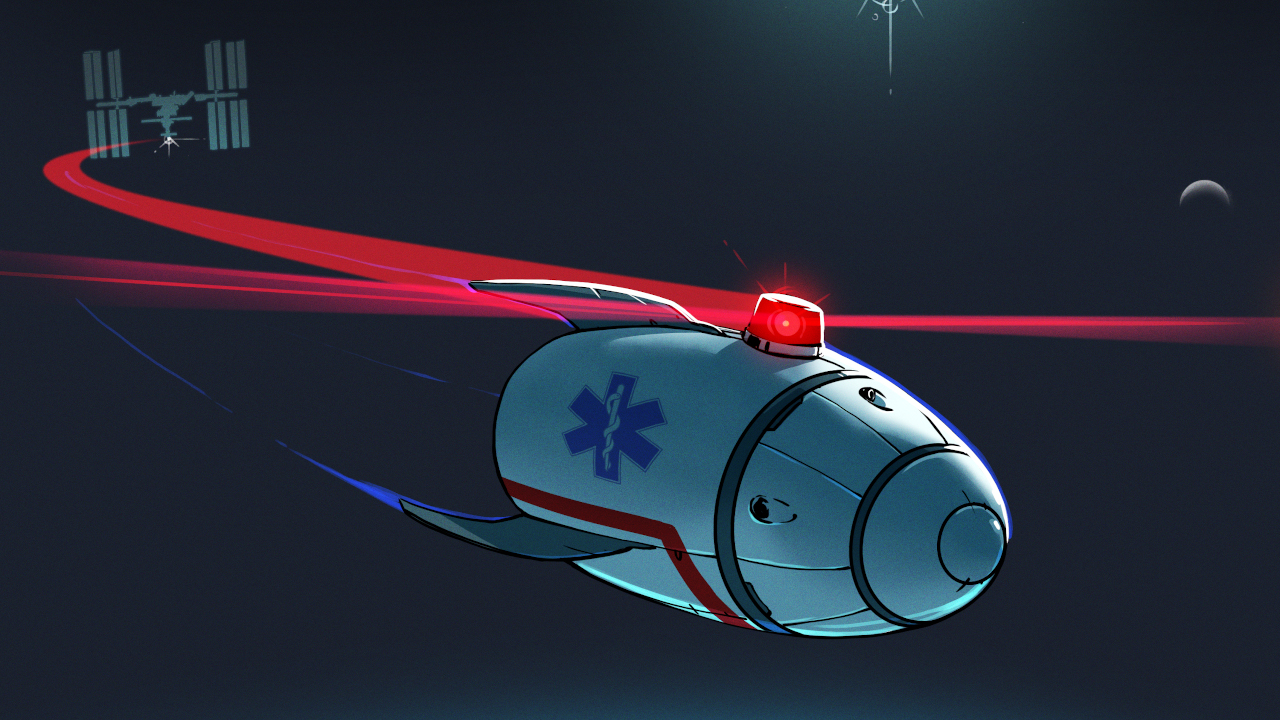
ISS Medical Emergency: An Orbital Ambulance Ride
Over the course of its nearly 30 years in orbit, the International Space Station has played host to more “firsts” than can possibly be counted. When you’re zipping around Earth at five miles per second, even the most mundane of events takes on a novel element. Arguably, that’s the point of a crewed orbital research complex in the first place — to study how humans can live and work in an environment that’s so unimaginably hostile that something as simple as eating lunch requires special equipment and training. Today marks another unique milestone for the ISS program, albeit a bittersweet one. Just a few hours ago, NASA successfully completed the first medical evacuation from the Station, cutting the Crew-11 mission short by at least a month. By the time this article is released , the patient will be back on terra firma and having their condition assessed in California. This leaves just three crew members on the ISS until NASA’s Crew-12 mission can launch in early February, though it’s possible that mission’s timeline will be moved up. What We Know (And Don’t) To respect the privacy of the individual involved, NASA has been very careful not to identify which member of the multi-nation Crew-11 mission is ill. All of the communications from the space agency have used vague language when discussing the specifics of the situation, and unless something gets leaked to the press, there’s an excellent chance that we’ll never really know what happened on the Station. But we can at least piece some of the facts together. Crew-11: Oleg Platonov, Mike Fincke, Kimiya Yui, and Zena Cardman On January 7th, Kimiya Yui of Japan was heard over the Station’s live audio feed requesting a private medical conference (PMC) with flight surgeons before the conversation switched over to a secure channel. At the time this was not considered particularly interesting, as PMCs are not uncommon and in the past have never involved anything serious. Life aboard the Station means documenting everything, so a PMC could be called to report a routine ailment that we wouldn’t give a second thought to here on Earth. But when NASA later announced that the extravehicular activity (EVA) scheduled for the next day was being postponed due to a “medical concern” , the press started taking notice. Unlike what we see in the movies, conducting an EVA is a bit more complex than just opening a hatch. There are many hours of preparation, tests, and strenuous work before astronauts actually leave the confines of the Station, so the idea that a previously undetected medical issue could come to light during this process makes sense. That said, Kimiya Yui was not scheduled to take part in the EVA, which was part of a long-term project of upgrading the Station’s aging solar arrays . Adding to the mystery, a representative for Japan’s Aerospace Exploration Agency (JAXA) told Kyodo News that Yui “has no health issues.” This has lead to speculation from armchair mission controllers that Yui...
Preview: ~500 words
Continue reading at Hackaday
Read Full Article