The ancient monuments saluting the winter solstice
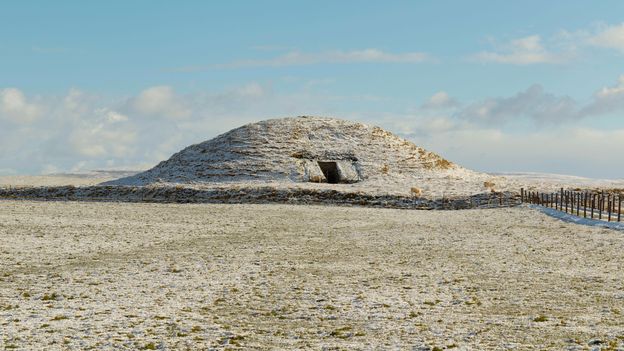
'It's a moment of death and rebirth': The ancient monuments saluting the winter solstice Dozens of mysterious structures across the Northern Hemisphere - some nearly 5,000 years old - align precisely to frame the rising and setting Sun during midwinter's shortest day. What motivated people to construct these solar-calibrated masterpieces? The winter solstice, which usually falls on 21 or 22 December in the Northern Hemisphere each year, marks the moment that one yearly cycle comes to an end and another is born. It is the day with the smallest number of sunlight hours in the calendar, and once it's over, the days lengthen again incrementally until the summer solstice in June. The significance of this day is manifested in ancient monuments that were designed to acknowledge and celebrate its passing. One example is Maeshowe tomb in Orkney . To the untrained eye this burial cairn, created around 2800BC, looks like a grassy hillock - but it conceals a cuboid, stone-clad sepulchre and a 33ft (10m) long entry corridor oriented to the south-west. During midwinter, three weeks either side of the winter solstice, the setting Sun aims directly down the corridor and emanates its light into the tomb. When the sky is cloudless, the light seems to carve a golden aperture into the tomb's rear wall - a sacrament of pure light. These days of radiance are interrupted by the solstice itself, when blackness temporarily takes over. But daylight reappears soon after, to blaze for another few days as if in celebration of the promise of nature's rejuvenation in spring. We will probably never know the specific beliefs and rituals that inspired Maeshowe tomb. But it's nonetheless possible to understand the enormous significance of the winter solstice as the "year's midnight", both as the darkest moment in the calendar and the pivot to six future months of greater illumination. It was a moment of death and rebirth, and a reminder of the cyclical nature of time. In the deep past, understanding the markers of nature's clockwork - including solstices - was a matter of survival. Predicting the recurrent patterns of animal migration, for example, could help successful hunting and fishing. Knowing when the climate was likely to change meant being able to adapt and survive. In pre-agricultural societies, it helped people anticipate the availability and location of edible roots, nuts and plants. After the introduction of farming, around 9000BC, it was essential - for successful planting and harvesting - to anticipate the timing of seasonal changes. Monuments that calculated time had practical value, but it's likely that they also embodied spiritual beliefs in Neolithic times too, with the winter solstice being of particular importance. This very ancient recognition of the solstice's significance even echoes through to the modern world. The word "Yule", now associated with the winter holiday period, derives from the historic Norse festival of Jól, which was based around the winter solstice. Modern Christmas traditions recall bygone midwinter celebrations like the Roman holiday of Saturnalia, which involved feasting and...
Preview: ~500 words
Continue reading at Hacker News
Read Full Article