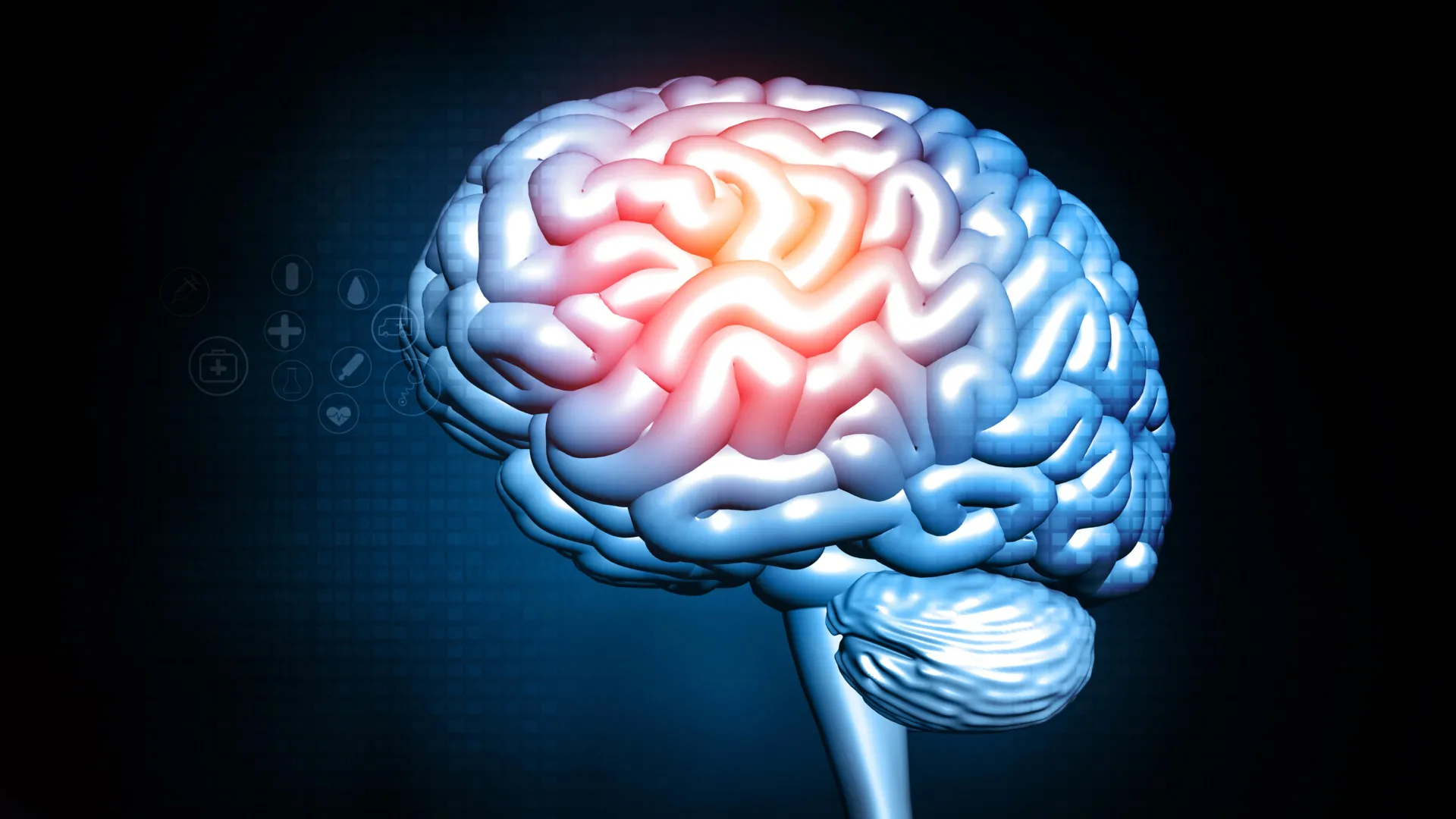
One protein may decide whether brain chemistry heals or harms
One protein may decide whether brain chemistry heals or harms A missing longevity protein may explain how aging brains turn a vital molecule toxic-and how that damage might be reversed. Date: January 15, 2026 Source: Ben-Gurion University of the Negev Summary: Tryptophan does far more than help us sleep-it fuels brain chemistry, energy production, and mood-regulating neurotransmitters. But as the brain ages or develops neurological disease, this delicate system goes awry, pushing tryptophan toward harmful byproducts linked to memory loss, mood changes, and sleep problems. Share: Tryptophan is widely known for its connection to sleep, but its importance goes much further. The compounds produced from tryptophan help build proteins, generate cellular energy (NAD+), and create essential brain chemicals such as serotonin and melatonin. Together, these processes support mood, learning, and healthy sleep patterns. As the brain ages or develops neurological disease, this system begins to break down. Scientists have repeatedly observed disruptions in how tryptophan is processed in aging brains, with even stronger effects seen in neurodegenerative and psychiatric disorders. These changes are linked to worsening mood, impaired learning, and disturbed sleep. Until now, however, researchers did not know what caused the brain to shift how it uses tryptophan in the first place. SIRT6 Identified as a Key Regulator of Brain Chemistry Prof. Debra Toiber and her research team at Ben-Gurion University of the Negev have now uncovered a clear biological explanation. Their work points to the loss of a longevity-related protein called Sirtuin 6 (SIRT6) as the driving factor behind this metabolic imbalance. Using experiments in cells, Drosophila (fly), and mouse models, the researchers showed that SIRT6 plays an active role in controlling gene expression (e.g., TDO2, AANAT). When SIRT6 levels drop, this control is lost. As a result, tryptophan is redirected toward the kynurenic pathway, which produces neurotoxic compounds, while the production of protective neurotransmitters such as serotonin and melatonin declines. Published Evidence and a Reversible Effect The findings were recently published in Nature Communications . Importantly, the researchers also found that the damage caused by this shift is not permanent. In a SIRT6 knockout fly model, blocking the enzyme TDO2 led to a significant improvement in movement problems and reduced the formation of vacuoles, which are signs of brain tissue damage. These results suggest that there may be a meaningful window for therapeutic intervention. "Our research positions SIRT6 as a critical, upstream drug target for combating neurodegenerative pathology," says Prof. Toiber. Research Team and Funding Support Additional researchers include: Shai Kaluski-Kopatch, Daniel Stein, Alfredo Garcia Venzor, Ana Margarida Ferreira Campos, Melanie Planque, Bareket Goldstein, Estefanía De Allende-Becerra, Dmitrii Smirnov, Adam Zaretsky, Dr Ekaterina Eremenko -- Sgibnev, Miguel Portillo, Monica Einav, Alena Bruce Krejci, Uri Abdu, Ekaterina Khrameeva, Daniel Gitler, and Sarah-Maria Fendt. The study was supported by the European Research Council (ERC) under the European Union's Horizon 2020 research and innovation program (grant agreement No 849029), the David and Inez Myers foundation, the Israeli Ministry of Science and Technology (MOST), the High-tech, Bio-tech and Negev fellowships of...
Preview: ~500 words
Continue reading at Sciencedaily
Read Full Article