‘It’s frightening’: How far right is infiltrating everyday culture
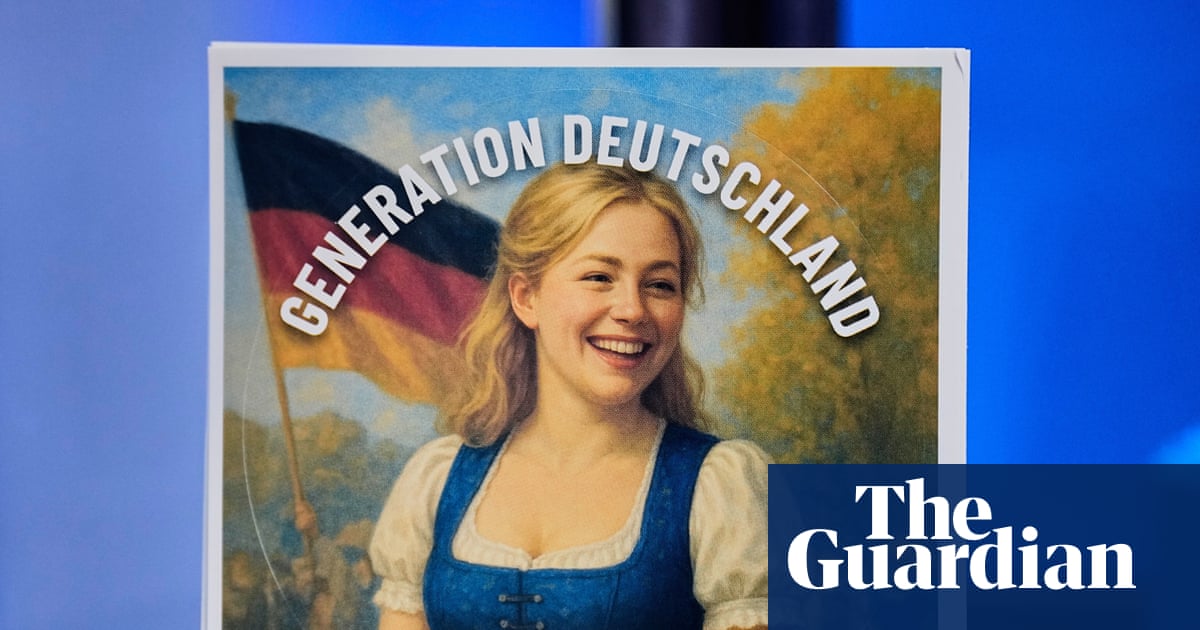
The two men chop peppers, slice aubergines and giggle into the camera as they delve into the art of vegan cooking. Both are wearing ski masks and T-shirts bearing Nazi symbols. The far-right Alternative für Deutschland party recently relaunched its youth organisation.Photograph: Martin Meissner/AP The German videos - titled Balaclava Kitchen - started in 2014 and ran for months before YouTube took down the channel for violating its guidelines. But it offered a glimpse of how far-right groups have seized on cultural production - from clothing brands to top 40 music - to normalise their ideas, in a process that researchers say has hit new heights in the age of social media. “It’s frightening, honestly,” said Katherine Kondor, a researcher with the Norwegian Center for Holocaust and Minority Studies. “You can be radicalised sitting on your couch.” In affiliation with the Center for Research on Extremism (C-REX), Kondor is leading a six-country project looking at how the extreme right uses aesthetics, from fitness influencers to memes and stickers, to spread their views across Europe. From Sweden to Spain, researchers found that extremist messaging was woven through cultural aspects of everyday life, both online and offline. “In Hungary we have some examples of extreme right bands becoming mainstream because they’re on the top 40 chart. I mean, what’s more normal than being on the top 40?” Kondor said. “I have a stepson who sometimes sends videos and then I go down the rabbit hole to see who created them and it turns out it’s a far-right influencer.” So-called “tradwives” , referring to female content creators who promote traditional gender roles on social media, are another example. As the numbers of women embracing the concept online surges, the content’s far-right roots have been increasingly obscured. Even so, the views they often promote - from anti-feminism to a nostalgia for an imagined past - continue to boost far-right aims. These cultural elements serve as gateways, at times helping to reel people into extremism, Kondor said. “I think there’s a mistaken idea that people join the far right because they believe in that ideology and want to meet like-minded people,” she said. “But that’s not how it works.” While there are some who are driven by prejudices against certain groups or specific beliefs, or others who tag along with friends who are already involved, many are lured by the subcultures that encase these movements, she said. “They start listening to a band that they really like and start going to concerts of that band. Then they start meeting people there and it can escalate in that way,” Kondor explained. “When people find things that work for their aesthetic or their vibe, or they find music that they really like, that can really influence a person.” The link between extreme ideas and the cultural tools they opt to use is not always straightforward, she added, citing the example of a group of far-right extremists in the Netherlands with a penchant for hosting wine-tasting events. “They’ve...
Preview: ~500 words
Continue reading at Theguardian
Read Full Article