Landmark Rohingya genocide case against Myanmar heard at top UN court
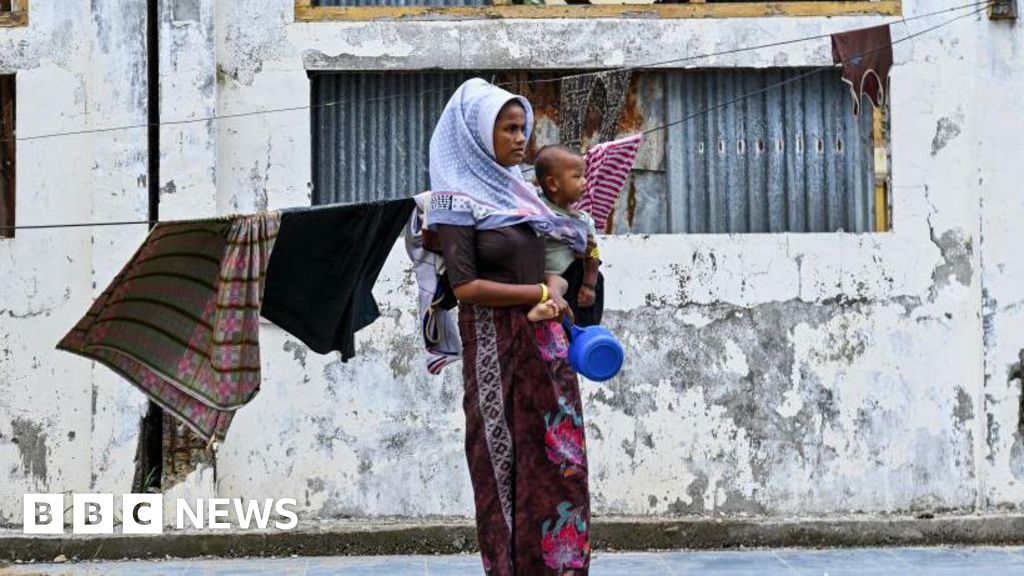
Landmark Rohingya genocide case against Myanmar heard at top UN court Myanmar wanted to erase the Rohingya people through its use of "genocidal policies", The Gambia's foreign minister Dawda Jallow has told the UN's top court. Many Rohingya have fled Myanmar, ending up in neighbouring Bangladesh and in other Asian countries The International Court of Justice (ICJ) is hearing a landmark case brought by the Muslim majority, West African nation in 2019, which accuses Myanmar of deliberately trying to destroy the minority Muslim population. Myanmar has previously denied the allegations. Jallow said The Gambia had reviewed "credible reports of the most brutal and vicious violations imaginably inflicted upon a vulnerable group". Thousands of Rohingya were killed and more than 700,000 fled to neighbouring Bangladesh during an army crackdown in Myanmar in 2017. Jallow told the court on Monday that the Rohingya "had suffered decades of appalling persecution and years of dehumanising propaganda", which was followed by the military crackdown and "continual genocidal policies meant to erase their existence in Myanmar". A damning report issued by the UN in 2018 said top military figures in Myanmar must be investigated for genocide in Rakhine state and crimes against humanity in other areas. Myanmar rejected the report and has consistently said its operations targeted militant or insurgent threats. It will be given the opportunity to respond to The Gambia's allegations during the ICJ hearings, which are expected to last until the end of the month. The court has also set aside three days to hear from witnesses, including Rohingya survivors, but these sessions will be closed to the public and media. A final decision is not expected for several months, if not years. While the ICJ cannot prosecute individuals for crimes of the utmost severity, such as genocide, its opinions carry weight with the UN and other international institutions. Jallow said that his country had bought the case against Myanmar out of a "sense of responsibility" following its own experience with a military government. "Sadly, Myanmar appears to be trapped in the cycle of atrocities and impunities," Jallow said, referring to the military's overthrow of the civilian government in 2021. The country's former leader, Aung San Suu Kyi - who was deposed during the coup and jailed under charges widely condemned as politically motivated - saw her international reputation as a champion of human rights tarnished after she defended the army's actions following allegations of genocide against the Rohingya. "We don't just hope to get justice, we demand it and we would like to ask the court to take the actions against the Myanmar dictators, the leaders of the Myanmar military who committed the genocide," one survivor, Monaira, told the Reuters news agency outside the court in the Hague in the Netherlands. More than one million Rohingya still live in refugee camps in Bangladesh's Cox's Bazar region alone - some of the largest and most densely populated camps in the world, according to the UN's refugee agency. Others have made dangerous sea journeys...
Preview: ~500 words
Continue reading at Co
Read Full Article