How ‘Cyberchase’ keeps up
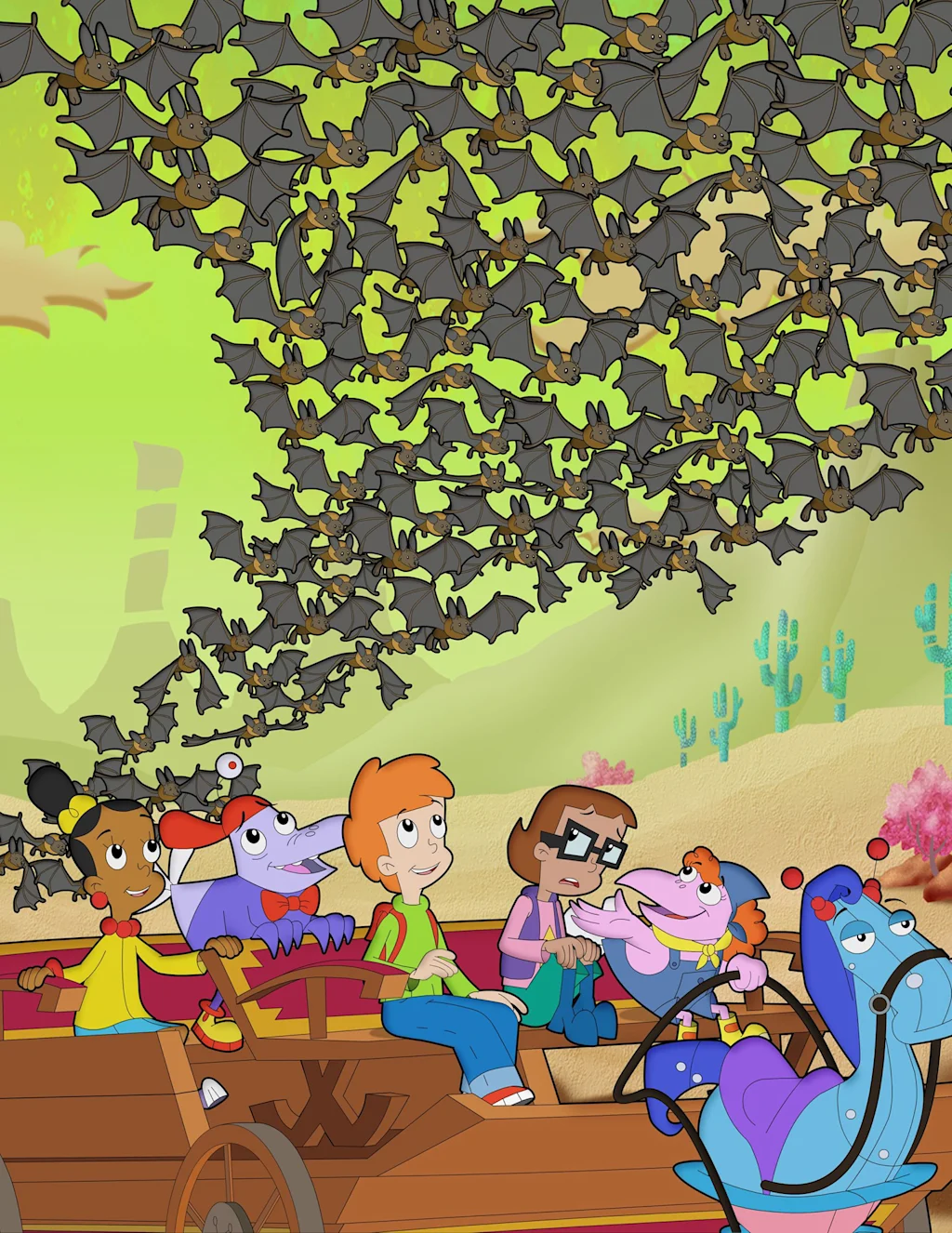
In the world of the long-running kids show Cyberchase , Motherboard, a sort of digital queen and literal technocrat, is the beneficent but impaired leader of all of cyberspace. She is—we are to understand—a legitimate ruler, yet faces constant attacks from the odious Hacker, a green-skinned android who dresses like a vampire and whose only goal is to sow chaos and eventually take control of Motherboard’s realm, which we might describe as something akin to a metaverse, or ever-expanding digital world. Luckily, a trio of human kids named Inez, Mattie, and Jackie—a squad —visit cyberspace frequently, where they embark on missions to help protect the ever-embattled Motherboard from her nemesis. They’re frequently assisted by Digit, a robotic “cybird” that guides them through various missions. Cyberchase is a publicly funded STEM-themed program created by the public television channel WNET Thirteen. It’s been airing on PBS Kids since 2002. As such, every challenge the squad takes on can be answered with numbers, or at least some kind of mathematical concept. Sometimes, an episode involves a mission with subtraction, fractions, or even negative numbers! The whole point of the squad’s trials and tribulations is to teach children basic science, technology, engineering, and math concepts through adventures. Sandra Sheppard, who created the show and now serves as executive producer, says its writers keep a close eye on how well U.S. students are doing with math concepts, especially as general math performance in the country continues to decline: Incoming freshmen at the University of San Diego increasingly need remedial math education, according to placement test performance , and national U.S. high school math performance has been sinking for years, according to the National Assessment of Education Progress. Parents report that social media continues to be a major distraction for kids. In response, Cyberchase has adapted its content for the social media age, producing shorts that create snippets of its larger math lessons as well as online gaming content. For its upcoming season, slated to premiere in spring 2026, it has released its first seven-minute episodes, which are intended to find a midpoint between a full episode and short-form content. Fast Company chatted with Sheppard about public television in the age of streaming and TikTok , the value of the PBS Kids brand, and how she’s adapting a beloved show’s math content to meet American kids where they are. This interview has been edited for length and clarity. [Image: Thirteen] I have a very particular memory of learning about negative numbers before everyone else, and then revealing this secret knowledge that I had learned through Cyberchase . But I didn’t have a smartphone or a computer with the internet until high school. How can you possibly get kids to the show when you’re competing with smartphones, chatbots, and TikTok? Over the last decade, if not more, the approach to reaching kids is really very multi-platform, because we know kids are using multiple devices and watching in a myriad of ways. I think our partners at PBS...
Preview: ~500 words
Continue reading at Fastcompany
Read Full Article